
Apple says its long-promised Apple Intelligence boosted Siri is on schedule to arrive in 2026. Tim Cook informed the interviewers that the firm was confident that it could launch the new assistant next year.
Apple has remarked on incorporating more background and enhanced privacy settings to Siri. The company has also talked about bringing richer on-device features so that Siri can act more like a helpful assistant inside apps and across the system.
What Cook Said
Cook said that Apple is making progress and that the work is moving forward. He has repeatedly framed this work as a careful engineering effort to meet Apple quality standards before broad release.
The new Siri ideas were initially revealed by Apple at its developer event in 2024. Some of those features were planned to be shipped by the company earlier, but these plans changed due to the effort of engineers to improve reliability.
The press reports and those of individuals who kept a close eye on Apple indicate that Apple postponed the release since internal prototypes were not as reliable. According to one report, the system was functional on about two-thirds of the tests in early tests. Such a flaw made Apple delay the public release so that the firm could enhance accuracy and safety.
Why It Matters
A more capable Siri matters because a useful voice assistant can change how people use the iPhone and other Apple products. If Siri can understand context and act inside apps without sending everything to a server, it can do more while respecting user privacy.
Apple has taken a careful path. That approach increases the chance that the final product will be stable and safe. It also means Apple may release features more slowly than some competitors. That trade-off may please users who value privacy and reliability.
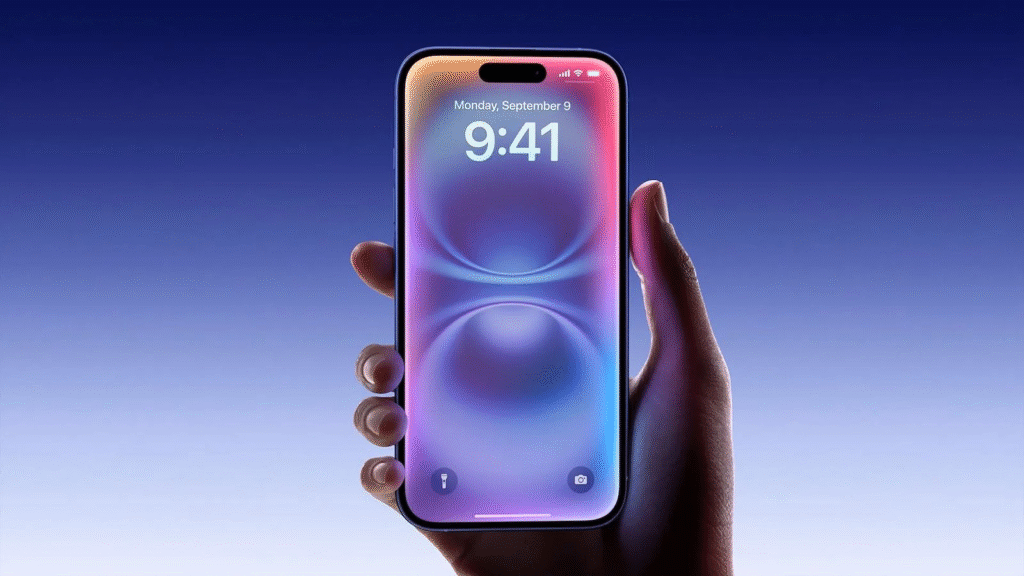
At the same time, Apple faces pressure from rivals and from market expectations. Many other companies have moved fast with large language models and assistant-style features. Apple has chosen to focus on tight integration with the operating system and on protecting data on the device. That approach requires more testing and engineering work.
Apple will likely begin wider testing well before the general release. Early releases often appear first for developers or for users in limited trials. That will give Apple feedback and help it scale the system while checking for failure modes and other issues.