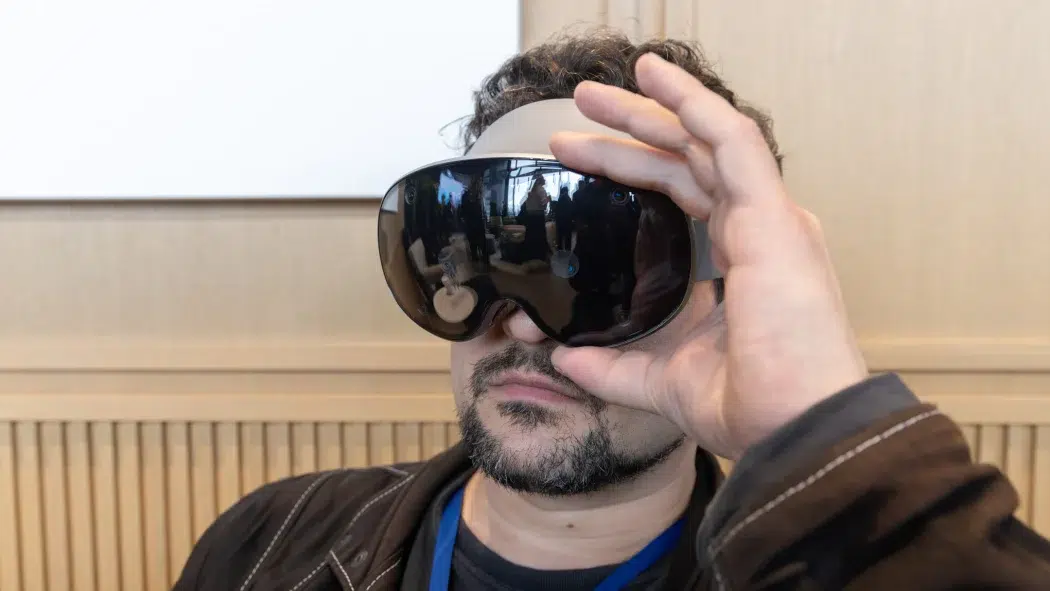

Samsung has unveiled the Galaxy XR headset. The product pairs Google software with Qualcomm silicon and a high-resolution micro-OLED display. The company positions the headset as a mainstream alternative to Apple Vision Pro at about half the price
Galaxy XR is an Android XR powered by the Snapdragon XR2 Plus Gen 2 platform. In the entry-level set-up, Samsung includes 16 gigabytes of memory and 256 gigabytes of storage. The company boasts that the display contains 27 million pixels on each of the two panels, and can be up to 90 hertz. The headset incorporates several world-facing and eye-tracking cameras so as to facilitate gesture control and gaze-driven interfaces.
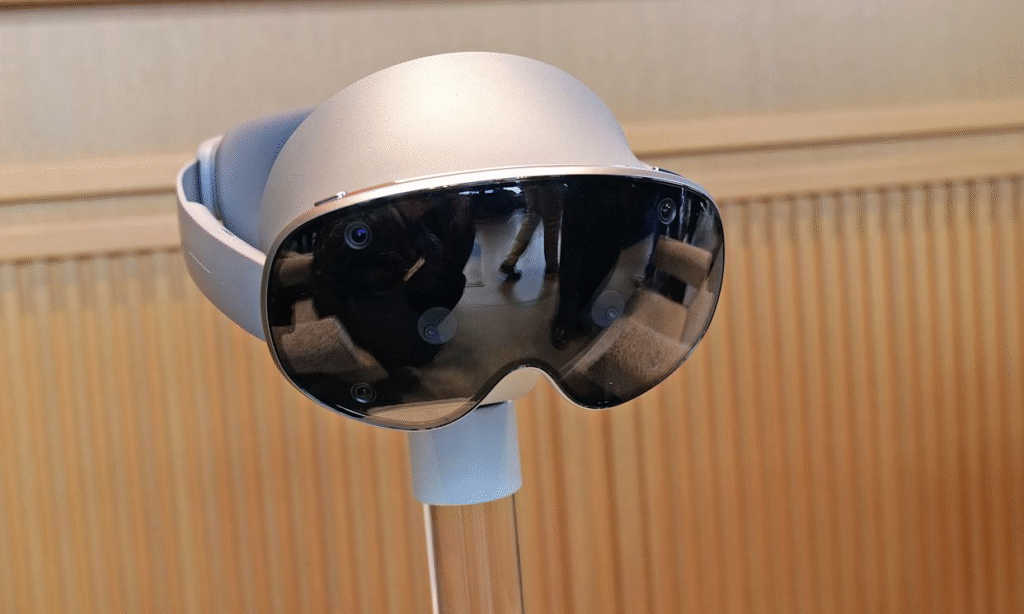
Buyers can expect a battery pack design and a light but robust frame. Samsung quotes a headset weight of 545 grams and a general use battery life of up to two hours. The headset supports video playback for up to two and a half hours and can be used while charging. Samsung will sell the Galaxy XR in the United States and South Korea now, and the price is set at around eighteen hundred dollars. The company bundles an Explorer Pack for early buyers that includes a range of Google services and media subscriptions.
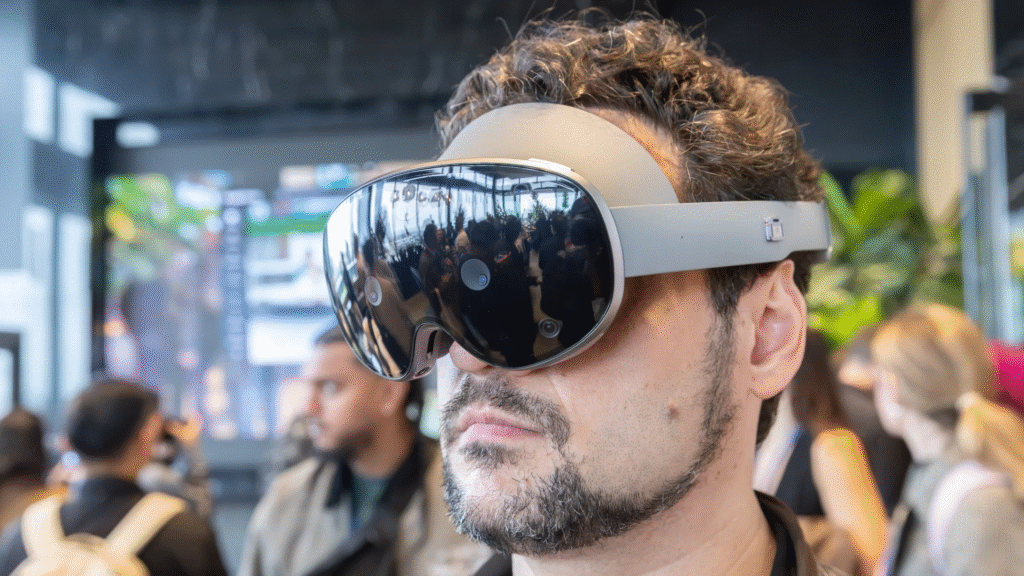
The Galaxy XR packs a wide field of view and a 95 percent DCI P3 color gamut. Samsung says the displays aim for cinema-grade color and for sharp detail in text and images. The company also highlights ergonomic design choices and a balanced frame to spread pressure across the forehead and the back of the head. The hardware choices point to a tradeoff that Samsung judged favorable for longer sessions and for mixed reality apps.
Key specifications compared
Samsung and Apple now offer clearly different tradeoffs. Galaxy XR uses Android XR and a Qualcomm XR chip, while Apple Vision Pro uses Apple silicon and visionOS. The Galaxy XR screen resolution is high and the pixel count is notable. The Vision Pro M5 brings a higher refresh rate and deep integration with Apple services and apps. Battery life and ecosystem are important differentiators for buyers who want long sessions or tight app compatibility with phones and computers.
From a price perspective, Samsung positions the Galaxy XR as more accessible. Apple keeps the Vision Pro at a premium price point that reflects its custom silicon and the broader Apple architecture. Samsung instead bundles extensive Google services and an app set built for Android XR. That approach may speed developer adoption, but it also means the two headsets will offer different content and different accessory markets.
Market and meaning
Samsung enters a market that Apple helped define. The Galaxy XR will bring more choice to consumers and more pressure on content partners to support multiple platforms. Samsung benefits from Google tools such as Gemini and Android XR and from early app partners that include streaming services and productivity tools. The first users will be most affected by the differences in the number of apps available, the way each platform directs data, or comfort during several hours of use.
Anticipate the initial wave of reviews to be regarding fit, exhibit clarity, thermal comfort, and practical battery life. Samsung will also be judged on how well Android XR apps scale to this hardware and on how the bundled services influence the user experience. Over time, the headset market will sort itself by content and by which platform makes developer tools simpler to use.