
Netflix has signaled a clear shift in how it will use generative AI. The company told shareholders that it is positioned to use advances in AI to help its creative teams and to speed production. The memo and the company executives said AI will be a tool to make creative work faster and more flexible while leaving final creative decisions to human artists.
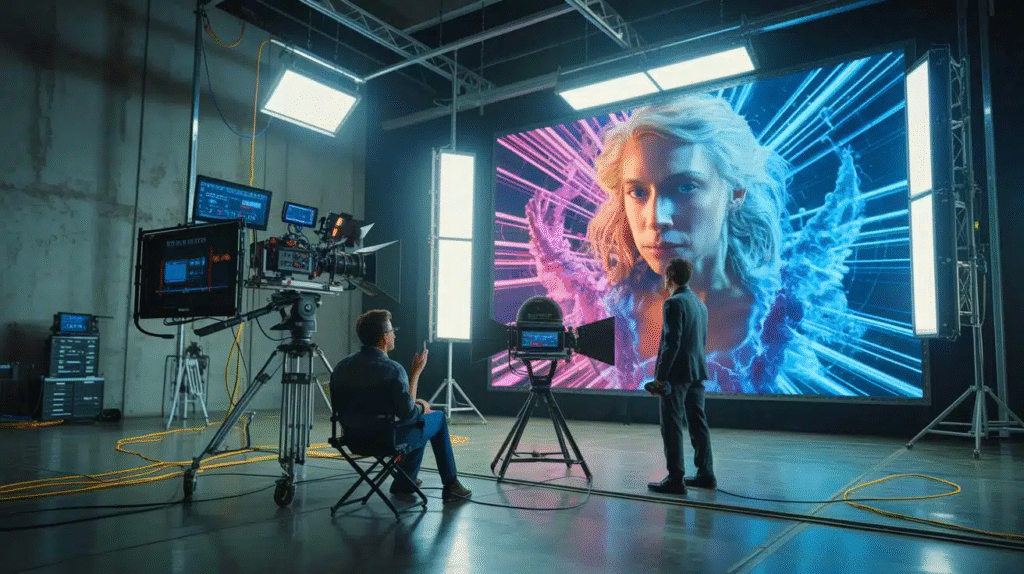
Netflix made AI a visible part of its strategy in the last year. The company used generative AI to produce final footage for a complex visual effect in the Argentine series El Eternauta. Netflix stated that the AI-controlled sequence enabled the team to provide a building collapse shot much quicker and cheaper when compared to conventional techniques of visual effects. The company characterized the move as an illustration of the wide-ranging capabilities of AI to build on the capabilities of creators with limited timeframes and funding.
Industry debate and fast change
The entertainment industry remains split on how to adopt these tools. Many filmmakers and effects houses now use AI for tasks such as pre-visualisation, de-aging, and concept design. Some unions and creators worry that wide use could cut jobs and erode bargaining power for visual effects artists and other crews. This argument heated up when there were high-profile cases of synthetic media and deepfakes that raised questions of consent and rights.
Netflix executives have positioned AI as an efficiency-oriented tool as opposed to a replacement for human talent. The company claimed that AI has the capability of accelerating routine work and liberating creative teams to concentrate on narrative. The executive remarks emphasised that good stories still need strong writers, directors, and performers. Netflix expects to use AI in targeted ways that support production and promotion while avoiding wholesale replacement of creative roles.
Safety and consent pressures
Technology firms and Hollywood are clashing over limits and safeguards. The recent release of an advanced tool for generating audio and video sparked immediate concern from actors and unions. Industry groups called for stronger guardrails and for rules that prevent the synthetic use of an actor likeness without permission. The controversy showed how quickly new tools can outpace policy and contract language. The pushback led to rapid public discussion and to new controls in some tools.
Netflix said it is aware of the legal and ethical stakes. The company plans to set policies that protect rights and require consent when AI replicates a performer. The firm also said it will keep working with unions and partners on rules for AI use. That approach aims to reduce risk while letting production teams adopt helpful tools.