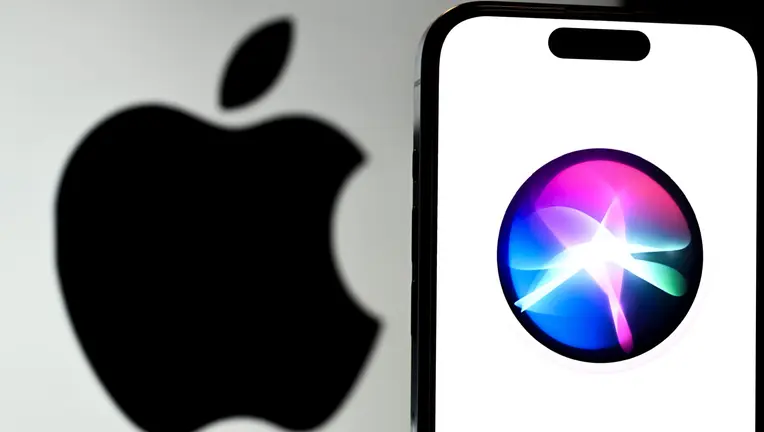

Apple has asked a federal judge to dismiss a lawsuit that says the company misled buyers about delayed Siri features. The suit alleges that Apple promised new Siri tools with the iPhone 16 and did not deliver two upgrades on time. Apple says the claim is overblown and that the plaintiffs have not shown they relied on any specific promise when they bought their phones.
Legal case background
The case is called Landsheft v. Apple Inc. It was consolidated earlier in 2025 in the Northern District of California. Sixty-nine plaintiffs say they bought iPhone 16 models after Apple announced Apple Intelligence. The complaint centers on two Siri upgrades called Personal Context Awareness and In-App Actions. The plaintiffs say those features were a reason they bought the phone.
Apple asked the court to throw out the case. The company argues that most buyers got many new AI features on time. Apple also says the lawsuit relies on vague media coverage and ads rather than specific promises that each plaintiff actually saw before purchase. The court set a hearing on Apple’s motion to dismiss for January 7, 2026.
Apple legal arguments
Apple frames the case as a failure to plead reliance. The company says a fraud claim must show that each buyer saw and relied on a definite promise. Apple argues that general press coverage or conference demos do not meet that test. The company also says that courts have limits on certain remedies when legal claims cover the harms alleged. It cites a Ninth Circuit ruling known as Sonner to argue that plaintiffs cannot seek equitable relief like restitution when they have ordinary legal claims that can cover damages.
Apple has also explained why some Siri features were delayed. Company leaders said the technology was not yet reliable enough to ship. Executives described a decision to wait until the system met Apple quality standards before releasing it broadly. That public explanation undercuts claims that Apple acted in bad faith, Apple says.
Why this matters
The outcome will test how courts handle product promises about software features that roll out over time. Many tech products ship with staged updates. Courts will weigh whether a public demo or ad is a binding promise that must be delivered on a fixed schedule. If courts allow wide claims based on marketing, companies may face many new suits over delayed software features. If courts require close proof that each buyer actually relied on a specific promise, that will narrow such claims.
How the Sonner precedent fits
The Sonner case says plaintiffs must choose the correct legal path when they seek money back. If a plaintiff can pursue a standard money damage claim, then they often cannot also demand equitable relief like restitution. Apple uses Sonner to argue that the plaintiffs cannot layer multiple remedies in the way they have. That legal point could be decisive if the court finds the form of the complaint defective.
Apple says the delays were limited to two items, while most other Apple Intelligence features arrived on schedule. The company calls the suit nitpicking and says customers received substantial new functionality. Plaintiffs maintain that those two Siri upgrades were central selling points and that the delays harmed buyers who expected a fuller experience. The court will decide which side has the stronger legal claim.
The dispute will also test how tech companies communicate complex roadmaps to the public. Apple and other firms must balance marketing enthusiasm with clear timelines. Courts will look at what statements were specific enough to form a binding promise. The hearing in January will move that analysis forward.