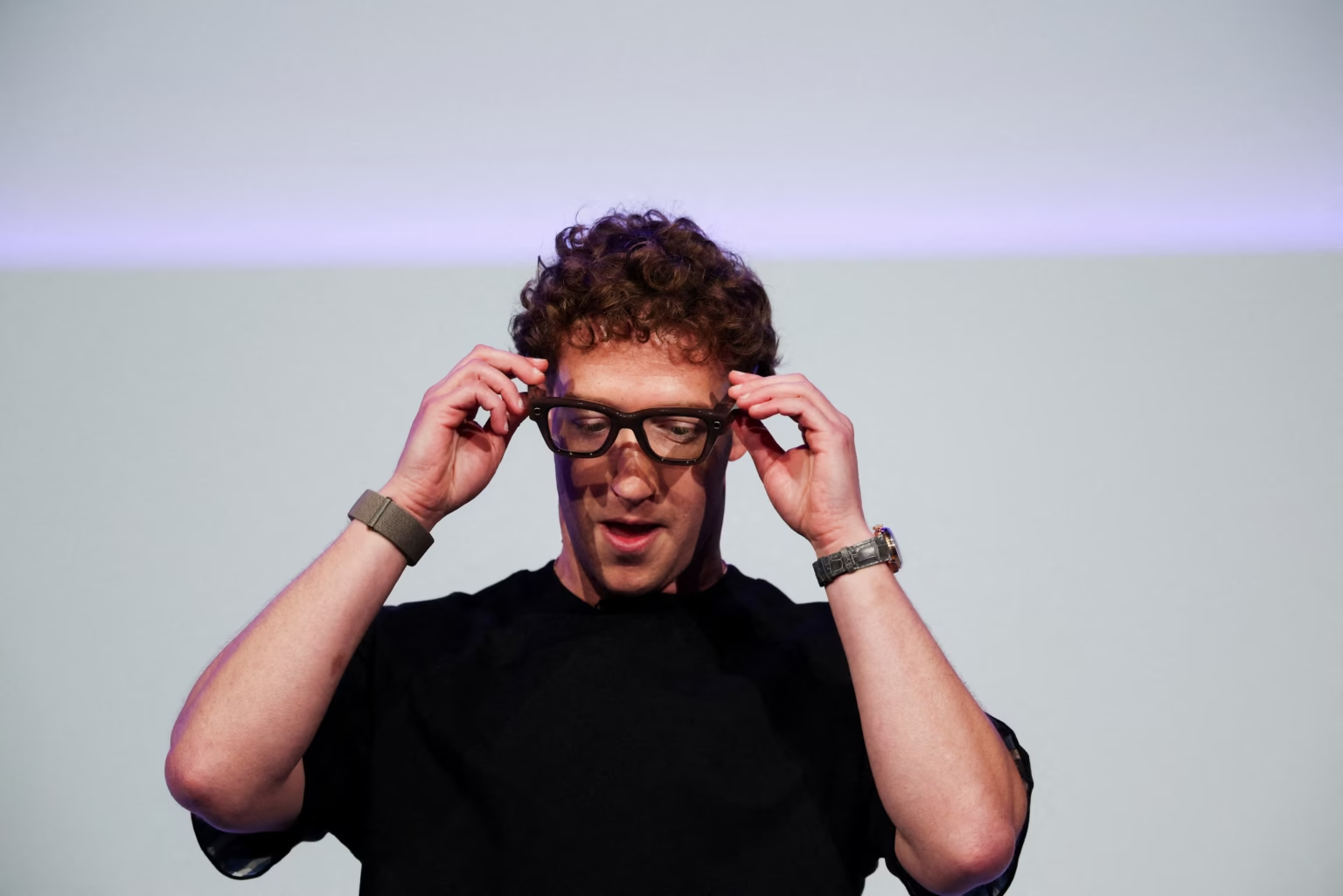

Meta used its Connect keynote to show new smart glasses and new VR tools. The company revealed three glasses and a wristband controller. Meta made a big play for wearables and for photoreal VR spaces during the event. Some demos did not go as planned on stage. Meta said it will refine software and services as the products roll out.
New product lineup
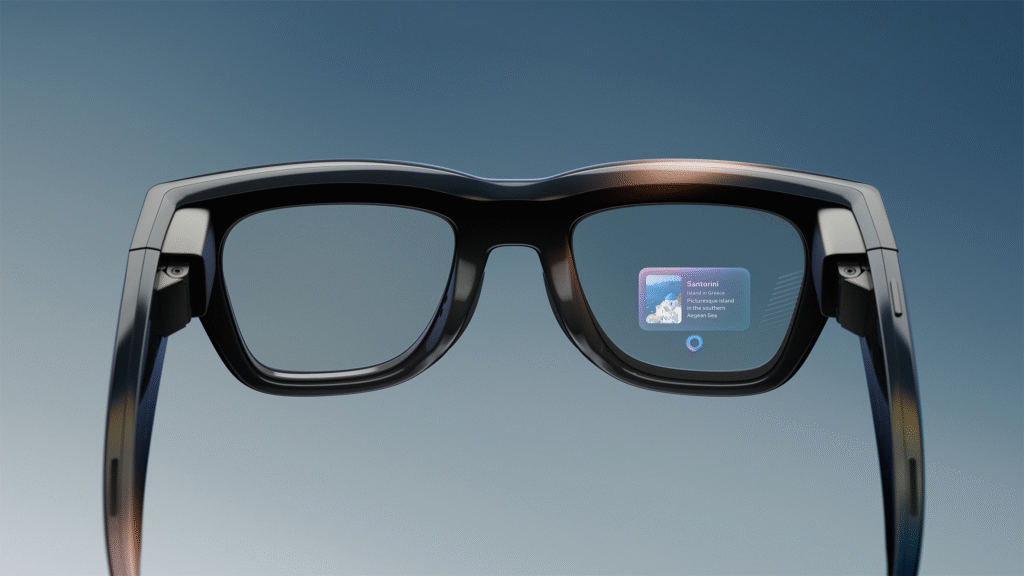
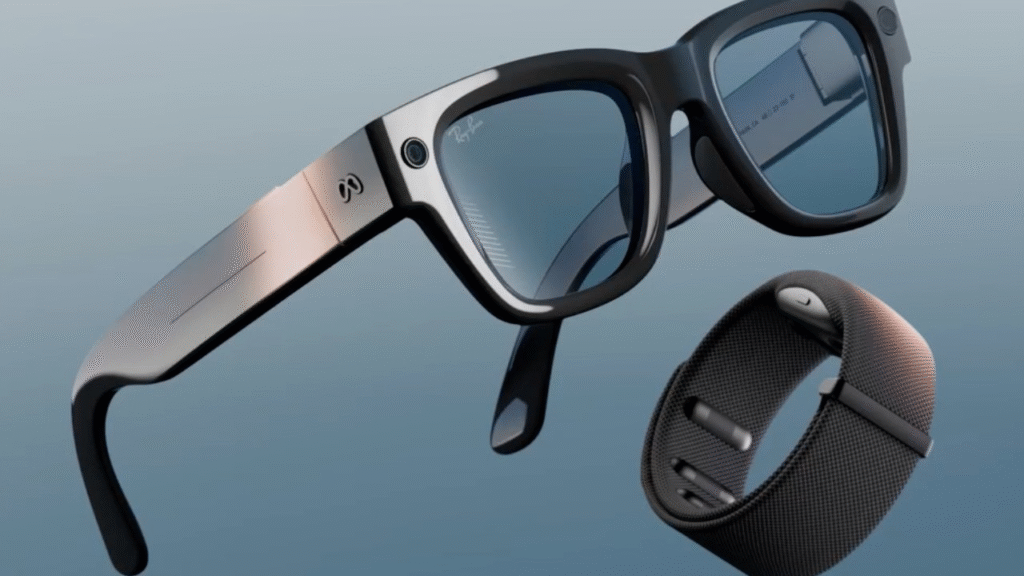
Meta introduced the Ray Ban Display with the Meta Neural Band. The Display adds a small app screen on the right lens and ships with a wristband that reads tiny muscle signals. The band lets a wearer send short replies and control apps with subtle hand gestures. Meta listed the Display price at $799 and a launch date near the end of September.
The Ray Ban Meta second generation is lighter and runs longer. Meta says the Gen 2 battery lasts about eight hours with typical use. The glasses can record ultra HD three thousand resolution video, and they aim to improve day-to-day use with new AI features such as conversation focus and Live AI. Meta set the Gen 2 price at $379.
Meta also released the Oakley Meta Vanguard for athletes. The Vanguard uses a single wraparound lens that holds a wide-angle twelve-megapixel camera. The glasses are rated for dust and water resistance, and they link with fitness apps for real-time stats. Meta priced the Oakley model at $499 and gave a late October on-sale date.
Several live demos fell short on stage. A cooking demo and a few other sequences failed to act as expected. Meta noted the issues, and its chief technology officer explained technical causes after the event. The pauses did not change product pricing or release timing. Meta stressed that software updates and further testing will follow before wide adoption.
What buyers should know
The Display aims to be the most visible step toward smart glasses that work with a phone and that also let you act without touching your device. The Neural Band uses surface electromyography to sense muscle signals. That method is new to many consumers, and it will need time to prove reliability in daily use. Meta will open Early Access and will expand compatibility with more apps over time.
Battery life differs by model and by use case. The Gen two Ray Ban favored longer mixed use. The Oakley Vanguard gives longer runtime for active sessions, and a charging case adds many hours on the go. Live AI features, such as step-by-step guidance, will drain a battery faster than simple notifications. Expect real-world battery numbers to vary by settings and by how often you use the display and audio.
Meta also pushed updates for VR and content. The company rolled out Hyperscape Capture in Early Access for Quest three and Quest three S. The tool scans a real room in minutes and then uses cloud rendering to make a photoreal VR scene. That rendering can take hours, but it lets creators publish lifelike spaces and featured worlds that fans can visit. Meta also announced Horizon TV app additions and a slate of new game releases for Quest headsets.
Privacy and app support remain key questions. Developers must add support for lens apps and for the Neural Band controls. Meta will expand app compatibility and will add safety and privacy tools over time. Buyers who want a polished experience should watch for software updates and for reviews from early testers. The products are shipping soon, and Meta plans regular updates to improve reliability and to expand the feature set.