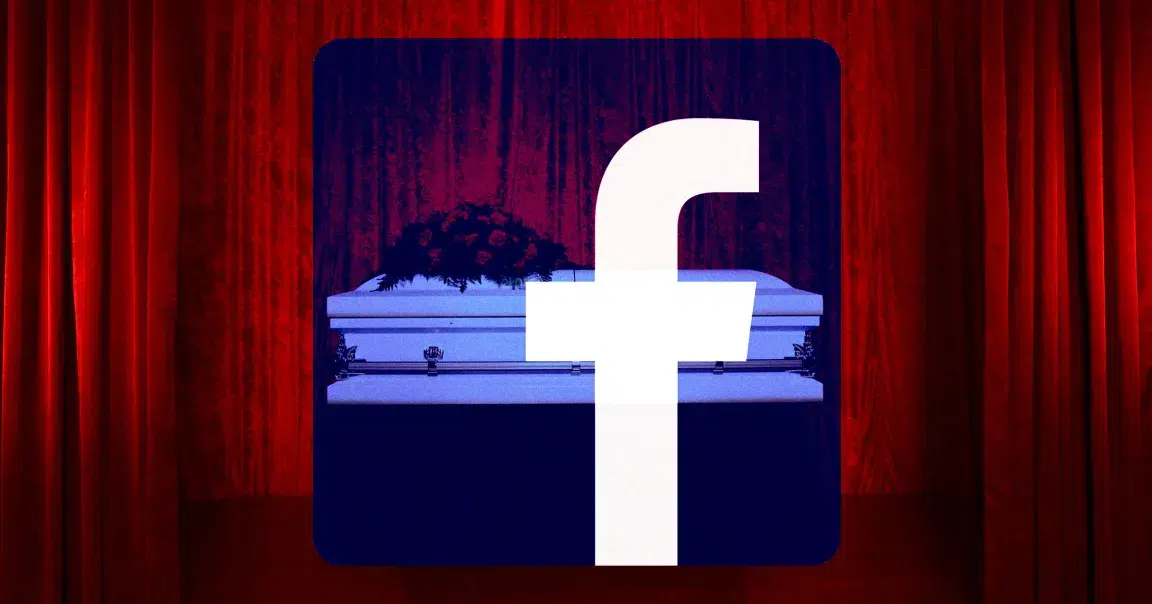

The patent reads like a bad episode of a TV show. The idea is simple and cold. Gather a person’s posts and likes. Train a model to echo that person. Let others talk to it when the real person is gone. The company that applied for the patent says it is not planning to roll the tool out now. The idea is still dangerous on paper.
What the Patent Promises and How it Would Work
The patent proposes using a pretrained language model and then retraining it on a single person’s data. The model would learn style and common replies. It would then generate posts and answers in that person’s voice. In a feed, the model might post on behalf of someone who is absent. The pitch is that this keeps accounts active and helps communities stay intact. That pitch sounds useful until it does not.
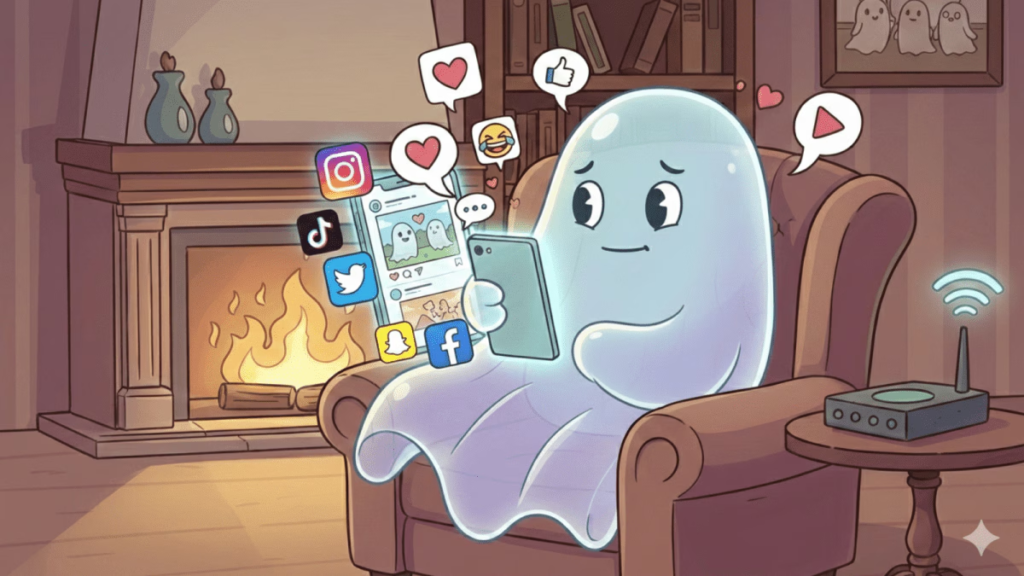
The patent also imagines the model acting when the user is deceased. The same tech that can mimic a vacation selfie voice could become a ghost in a chat window. That raises questions that cannot be soothed by corporate talk.
Why This Feels Wrong and Why People Are Angry
People will call this eerie. People will call this invasive. Both answers are correct. This is not an apolitical instrument to create a simulacrum of a loved one. It touches grief and trust. It also invites monetization. Who pays for the upkeep of a digital ghost? Who profits when a fake reply appears on a timeline? That is the sharp edge of the idea.
Experts warned that these digital afterlife products can cause harm. Researchers at Cambridge University and other groups have said that grief bots can haunt the living and complicate mourning. The risk is not only emotional. The tech creates new attack surfaces. Fake messages that look like a late friend could be used to scam or to manipulate communities.
Even fiction has warned about this. The public remembers a certain stark TV series called Black Mirror that turned similar ideas into moral horror. The patent reads like a way to turn fiction into product design.
A notable executive was listed as an author on the patent. That fact makes the idea harder to shrug off as a stray academic exercise. The patent may sit on a shelf. The patent may never be used. The presence of a heavyweight name on the filing tells the public this idea passed through serious channels.
The story about this patent reached readers through outlets such as Business Insider. That coverage made the debate louder. People asked if tech companies should be allowed to patent how to simulate the dead.
Managing Digital Remains Responsibly
The day such a product comes out of patent to practice will give social networks and regulators difficult choices. The legislation with regard to the digital remains is thin in numerous aspects. There is the possibility of a user dying and leaving no clear instructions on what to do with his/her digital voice. A firm that upholds that voice, by default, might be inflicting harm even when it says it is supporting.
There are small protections, which are easy to say, and difficult to put into action. Respect explicit consent. Give a clean pause, clean up. Make it necessary when an account is simulated. But despite regulations, the emotional outcome is still there. Even a message with a label in a computer simulation can make one upset.