

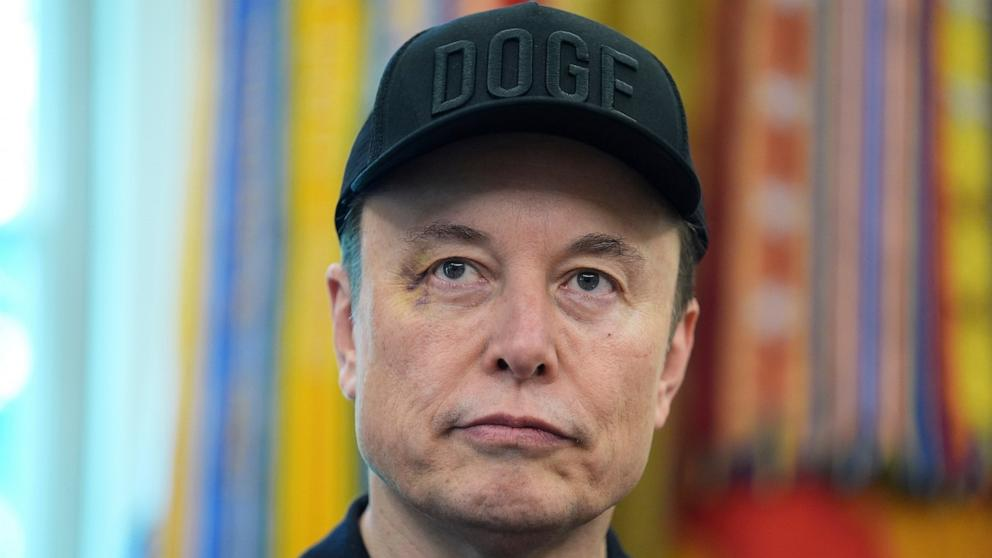
Elon Musk-owned companies X Corp and xAI filed a federal antitrust lawsuit this week in the Northern District of Texas. The complaint alleges that Apple and OpenAI have formed a partnership that blocks fair competition in the smartphone and AI markets. The suit argues that Apple made ChatGPT the default AI in key iPhone features and that this move discourages iPhone users from choosing rival apps.
What xAI says in the complaint
The complaint claims Apple and OpenAI conspired to protect their market positions. xAI alleges that Apple integrated ChatGPT into iPhone system features in a way that makes third-party AI apps redundant for most users. The filing states that the iPhone integration gives OpenAI access to huge volumes of user prompts and usage signals that can accelerate OpenAI model improvements at a scale rivals cannot match. xAI also points to App Store placement and curated sections that favor ChatGPT as evidence of conduct that reduces discoverability for other chatbots.
What the suit asks the court to do
xAI seeks remedies that could include damages and court orders to change how Apple and OpenAI operate. The complaint brings claims under federal antitrust law and under Texas state antitrust statutes. The legal filing describes a multiyear plan by Apple and OpenAI to lock in users and data. The precise monetary and injunctive relief requested appears in the court documents.
Evidence and the record presented so far
The complaint cites internal and public materials about the Apple OpenAI arrangement and about App Store curation. The court filing also points to the presence of ChatGPT in curated App Store sections on specific dates and to the iPhone-level integration announced last year. App store placement and integration dates are factual items that the court will test against metrics and third-party data.
Counterpoints and public responses
OpenAI called the filing part of an ongoing pattern of harassment and said the claims lack merit. Apple said the App Store is designed to be fair and free of bias. Independent app chart data and past App Store histories show that other AI apps have reached high chart positions since the Apple OpenAI tie-up. Analysts note that chart positions can shift rapidly and that curated feature lists are not the same as ranking algorithms. These facts will matter as the case proceeds.
Legal hurdles xAI faces
Antitrust law requires showing harm to competition and to consumers, not just harm to a single competitor. Courts will look for evidence that Apple and OpenAI’s actions caused higher prices, lower quality, fewer choices, or barriers to innovation for users. Past cases against major platforms show that courts demand robust proof before finding liability. Lawyers who reviewed the filing for media outlets described the path ahead as difficult but noted that Apple’s market share in smartphones could make some claims plausible if linked to exclusionary conduct.
Market facts that will be tested
The court will examine data about App Store placements, download session length, and whether ChatGPT integration meaningfully reduced downloads of rivals. Regulators and judges will also look at whether Apple gave OpenAI special access to signals that are not available to others. xAI alleges that the scale of iPhone usage generates a feedback loop that helps OpenAI train faster and deploy better models. Those claims will require technical and statistical proof.

What this means for app developers and users
The case has the potential to alter how platform companies present surfaced and built services, and the manner in which platform companies treat third-party apps should win broad relief. A court order may impose a new disclosure rule or limitation on default integrations. To users, this could translate to a more visible choice of chatbot apps on phones. To a developer, a verdict on xAI may need platforms to be redistributive or more transparent. In the event of a loss of xAI, then there is the possibility that integration strategies and curated editorial tools may be left alone.