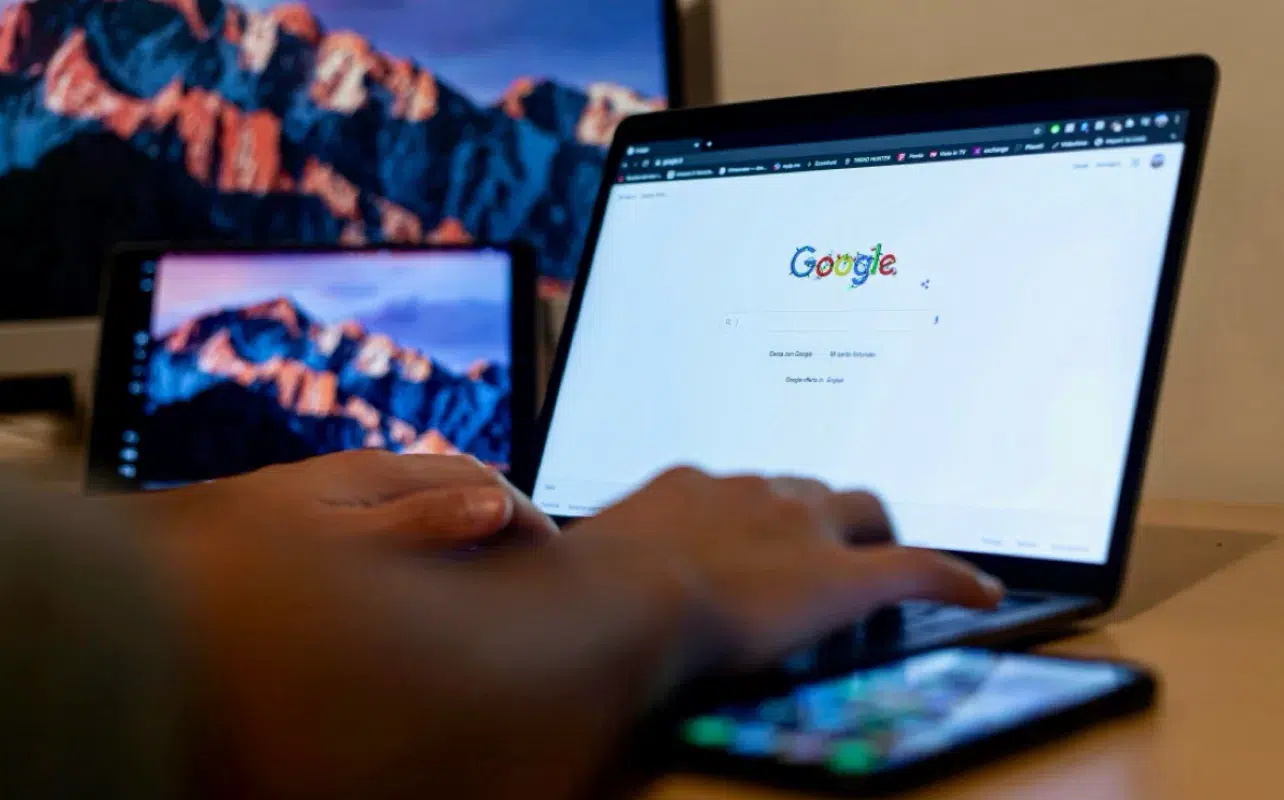

Google has pushed back against reports that its AI-driven search features are decimating traffic to publisher sites. The company says that total clicks from Google Search to external websites have stayed relatively stable compared to last year. It also claims that the quality of those clicks has improved slightly.
What Google says
Liz Reid, Google’s vice president and head of Search, wrote that third-party studies often rely on flawed methods or isolated cases. Google’s own data shows that people are clicking on more links on result pages that include AI-generated summaries. When users click through, they tend to stay longer on the target page.
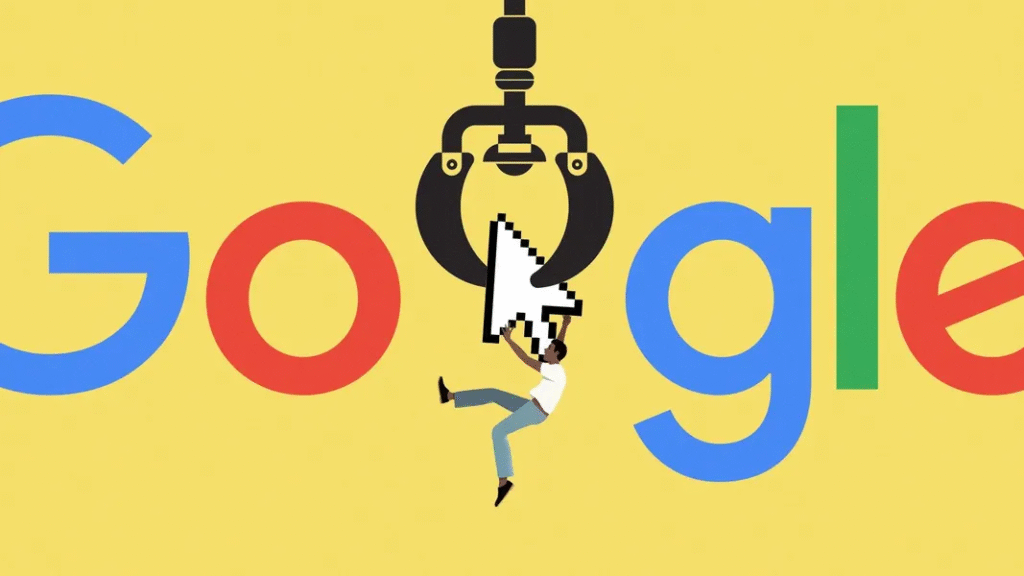
Nevertheless, Reid still admits that AI properties can redistribute traffic across websites. There are publishers who have benefited from increased visits and some who have lost. Google failed to provide the precise figures of the losers and the winners. This has been done without transparency, which has confused a good number of site owners about the actual impact.
Evidence and doubt
Independent reports paint a different picture. One study found that zero-click searches for news increased from fifty-six percent to sixty-nine percent over a year. That means users see answers on the search page and do not visit any link. Similarweb authored that report, highlighting how AI Overviews can satisfy queries without a click.
Pew Research also noted drops in link clicks when AI summaries appear. Google called that data inaccurate and said that user behavior varies widely. It pointed to growth in searches and clicks on forums and video sites where people seek authentic voices.
Publisher changes
Many publishers have felt the squeeze. News sites such as Business Insider and The Washington Post reported lower pageviews. Some have cut staff or rethought their business models. In response, Google launched new tools for publishers. These include micropayments and newsletter sign-ups to help sites earn revenue beyond ads.
Google also added a “forums” filter so users can find discussion sites more easily. That move came after site owners showed that Reddit and similar platforms drive heavy traffic. Google said that by highlighting a variety of links, AI features can send more quality visits overall.
What’s Next
Google plans to refine its AI Overviews and roll out “AI Mode” for more conversational search. The company insists that these changes will drive more complex queries and higher-value clicks. Its goal is to balance direct answers with opportunities for web publishers to earn visits.
Publishers must adapt. They can focus on unique analysis and first-hand reporting. They can build direct relationships with readers through newsletters. They can explore pay models that do not rely solely on ad impressions. By doing so, they may thrive in a search landscape that includes AI assistance.
The total traffic is not decreasing so harshly, in aggregate, but visit patterns are changing. It gives some relief that Google denies that clicks overall collapsed. However, the fact that the company is not willing to provide the detailed data leaves many questions open. Marketers and publishers will take note of how AI search functionality develops.