
Google’s latest Pixel 10 ad takes aim at Apple’s delayed AI features. Yet the company known for killing projects almost as fast as it launches them may have shot itself in the foot.
Google’s New AI Ad Campaign
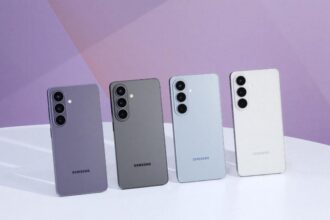
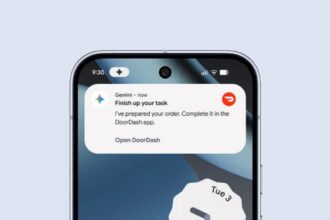
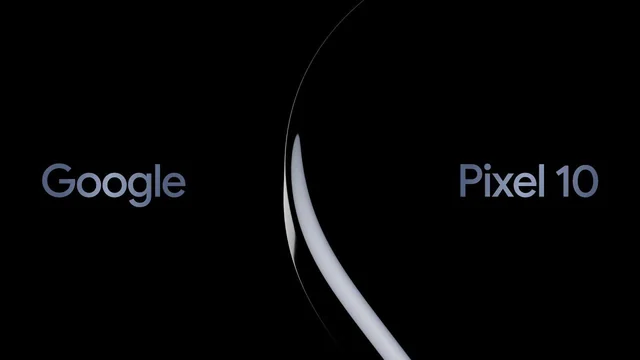
In a fresh turn of its long-running rivalry with Apple, Google has released a teaser for the upcoming Pixel 10. The ad quips that iPhone owners “should stop waiting” for Apple’s promised AI update. It invites them to switch to the Pixel 10 instead. The marketing move follows previous jabs at Apple’s Messages exclusivity and Siri shortcomings.
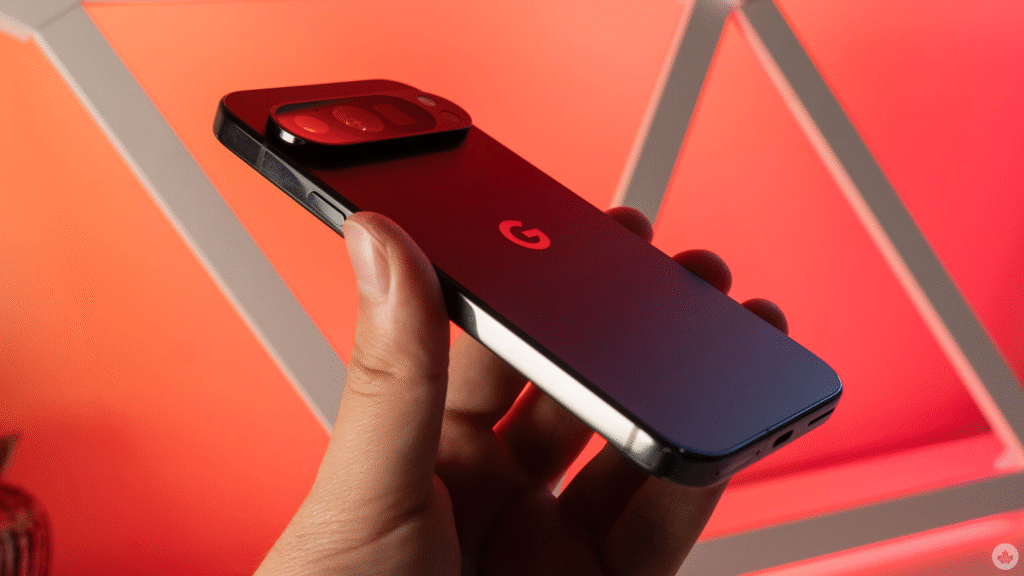
Apple’s AI Feature Delay
At the WWDC 2024, and during the presentation of the iPhone 16, Apple introduced a contextual AI feature, which is built on the concepts of app intents. This ability would allow the user to talk in a natural way to their iPhone and have Siri launch actions within third-party applications. Apple has initially considered releasing the feature on its iPhone 16 by the end of 2024; nevertheless, the corporation has recently delayed it at some moment in the first part of 2026. Certain developers and customers have grown impatient since they desire to witness smarter on-device artificial intelligence.
Google’s Project Graveyard
Pot calling the kettle black may be an understatement. Google maintains a public list of discontinued products and features at KilledByGoogle.com. As of August 2025, it contains nearly 300 entries, ranging from consumer apps to services and hardware experiments. Notable failures include Google Reader, Inbox by Gmail, Standia, and even an earlier AI photo-editing tool that took images and blurred out backgrounds and objects.
Pixel’s Niche Audience
The Google Pixel sale is at a relatively low level compared to the iPhone. The top-end Pixel phones attract those consumers who want a pure Android interface and frequent updates. More budget A-series handsets tend to take more shares, which have almost the same features, just a few months following the release of the flagship. Google should have keen marketing to expand its niche. Mocking Apple AI delays could conjure up curiosity in tech-savvy users who fear they would have to wait long.
Is the Ad Self-Defeating?
The Pixel 10 ad implies that the lack of one feature in the AI system is worth switching to the platform. Strong customer loyalty is, however, evidenced by the wide ecosystem and the sales record of the iPhone 16 that Apple achieved. In the meantime, Google has also suffered a hiccup in its ambitions as regards AI. Products such as Google Glass Enterprise Edition and its first AI Chatbot Bard have been adopted/retooled relatively little. The audience to which the ad will be appealing is a limited one, but there is a danger of showing the history of failed promises of Google.
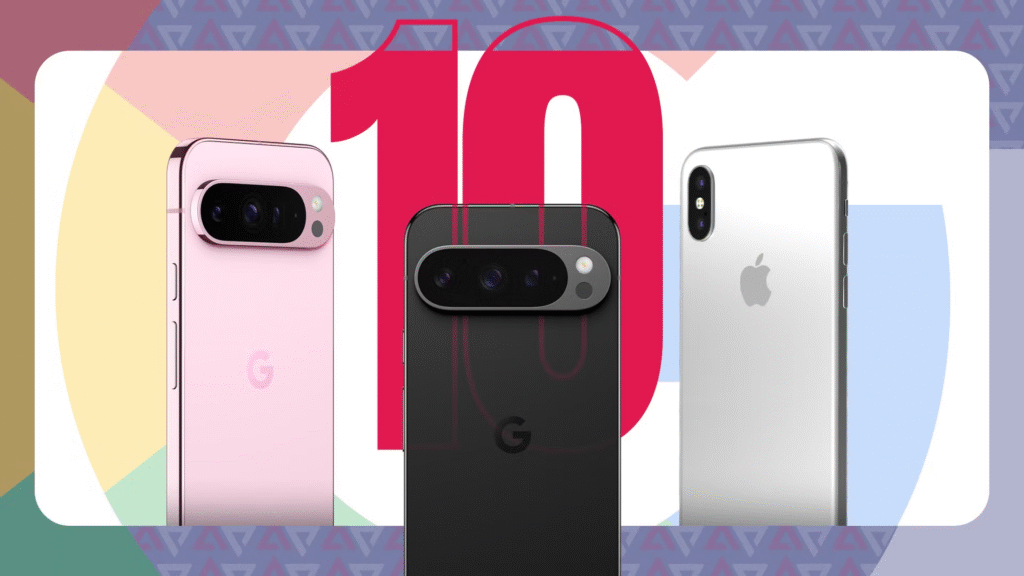
Google will set the Pixel 10 loose on August 20, before Apple is expected to launch it in September. The fight between AI-driven smartphone supremacy ratchets up as both companies rush to deliver new developments. Customers will make choices on whether they will take the safe side supplied by Apple or the irreverent wretches of Google.