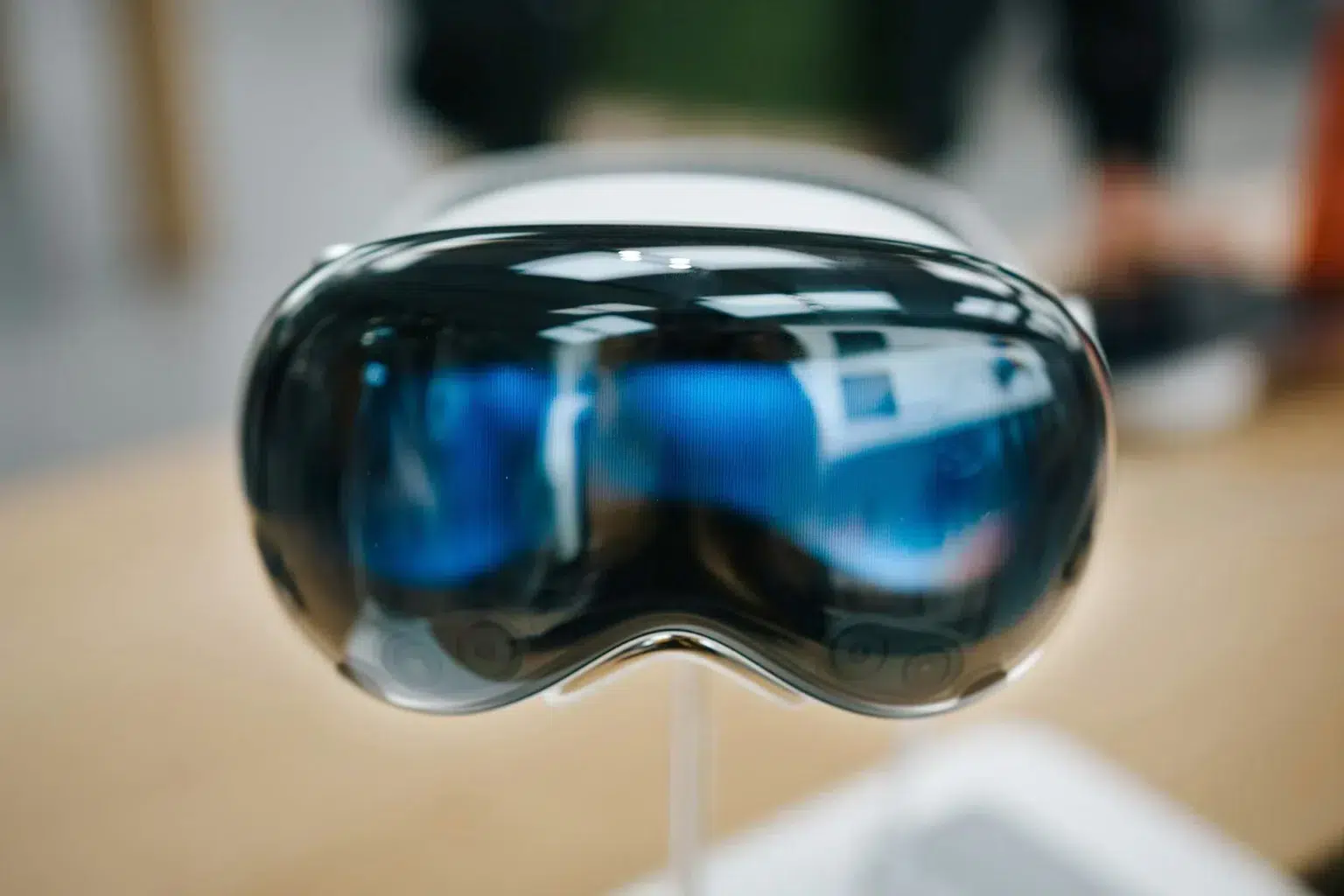

Apple is shifting public focus toward Visual Intelligence. The move shows how the company plans to link AI with hardware. Tim Cook has spoken often about Visual Intelligence on earnings calls and in internal meetings. Reporters and analysts now read those remarks as a signal of where the product roadmap is headed. Mark Gurman covered the theme in detail for Bloomberg and described an increased push on camera-led devices. Independent publications have followed with reporting and analysis. The topic matters for users and for the wider market.
Cook’s Visual Intelligence
Cook has placed Visual Intelligence at the center of Apple’s strategy. He said Visual Intelligence is one of the most used AI features on the iPhone during the latest earnings call. The company uses Visual Intelligence today to answer photo-based queries on the iPhone. The feature currently relies on partners for underlying models. Apple plans to build more of those models itself over time. The result would be tighter integration between the software and new kinds of hardware. Observers say this strategy mirrors how Apple built other platform shifts in the past.
Wearables and Cameras
Reports say Apple has at least three wearable ideas in active development. One is smart glasses. One is a small wearable pendant that can be worn or pinned to clothing. One is an AirPods update that includes sensors and cameras. The future predictions of the supply chain show camera-equipped AirPods during the 2026 to 2027 window. Analyst comments on the sources, including Ming Chi Kuo, and reputable sources include similar timing and technicality. Leaked information and prototype views have also been reported on social media and expert websites.

What each device would add is context. A pendant could act as a lightweight camera and microphone that follows the user. AirPods with cameras would give audio accessories a view of the environment. Glasses would put those capabilities closer to the eyes. All three ideas feed Visual Intelligence with live visual data. That data can enrich Siri and other assistant tasks. Examples include reading menus, identifying landmarks, and offering step-by-step directions tied to what a user sees. The basic tools are simple. The technical work is hard.