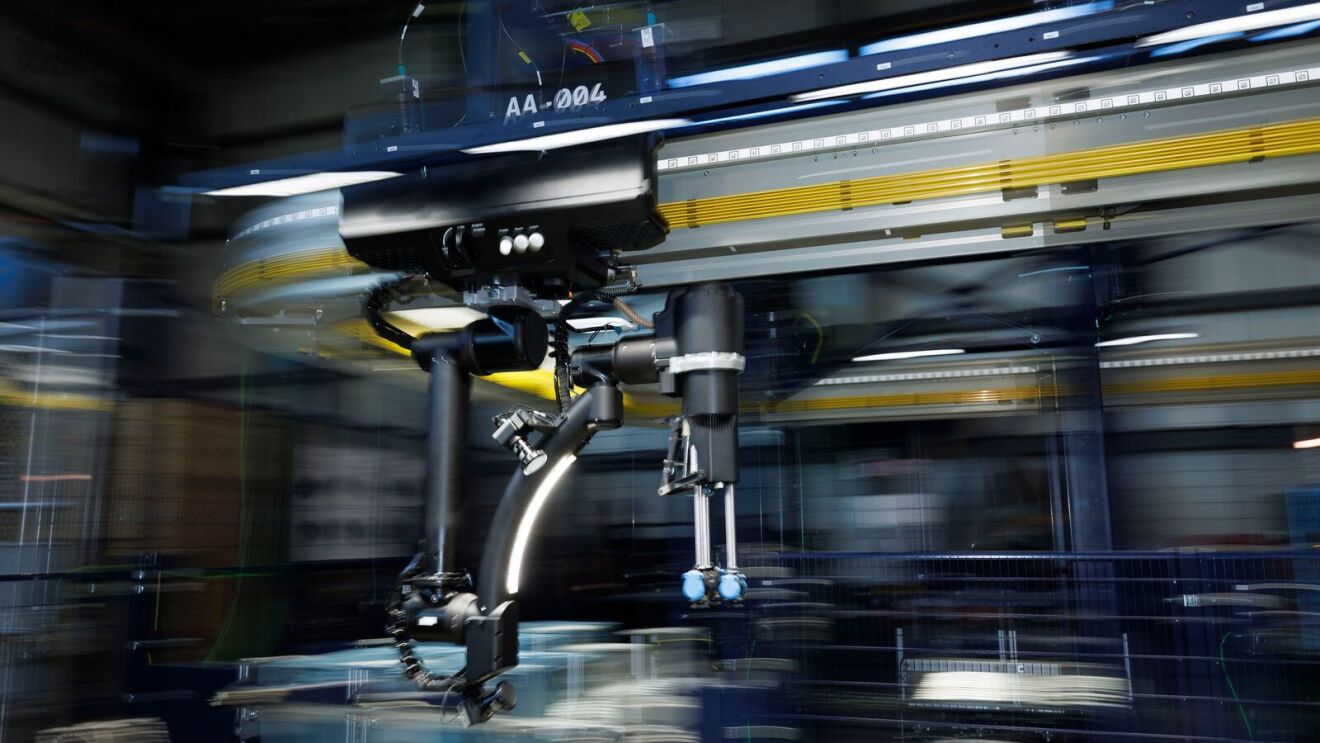

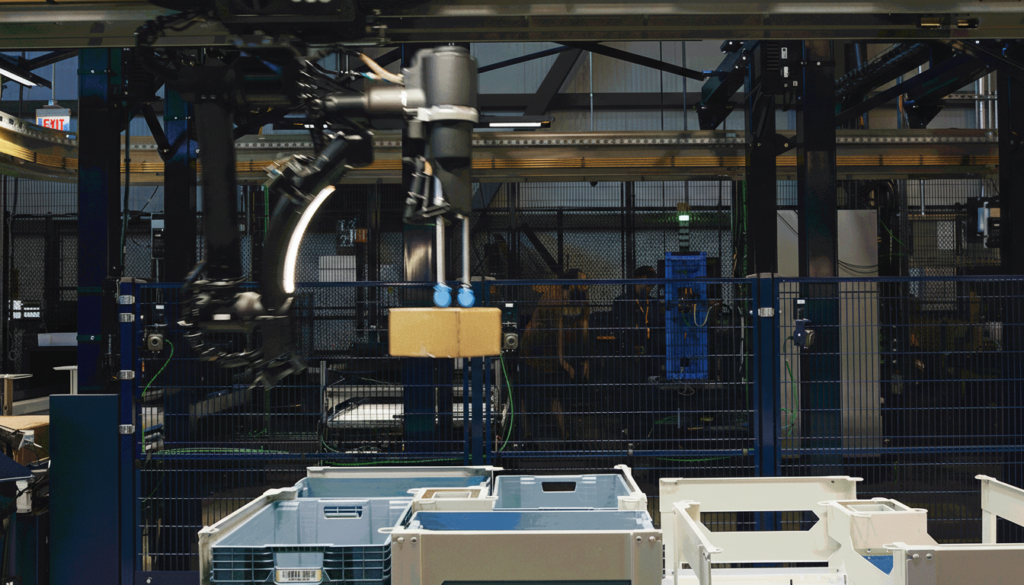
Amazon has stopped work on the Blue Jay warehouse robot project. The company first showed Blue Jay in October and began testing it at a South Carolina site. The prototype was a robot with multiple arms designed to sort and move packages in same-day delivery operations.
The Prototype Label
Amazon said Blue Jay was a prototype. The company described the work as an experiment rather than as a finished product. A spokesperson said the core technology from Blue Jay will be used in other robot projects that handle item manipulation. The team that built Blue Jay will move to those programs.
Why Amazon Paused Blue Jay
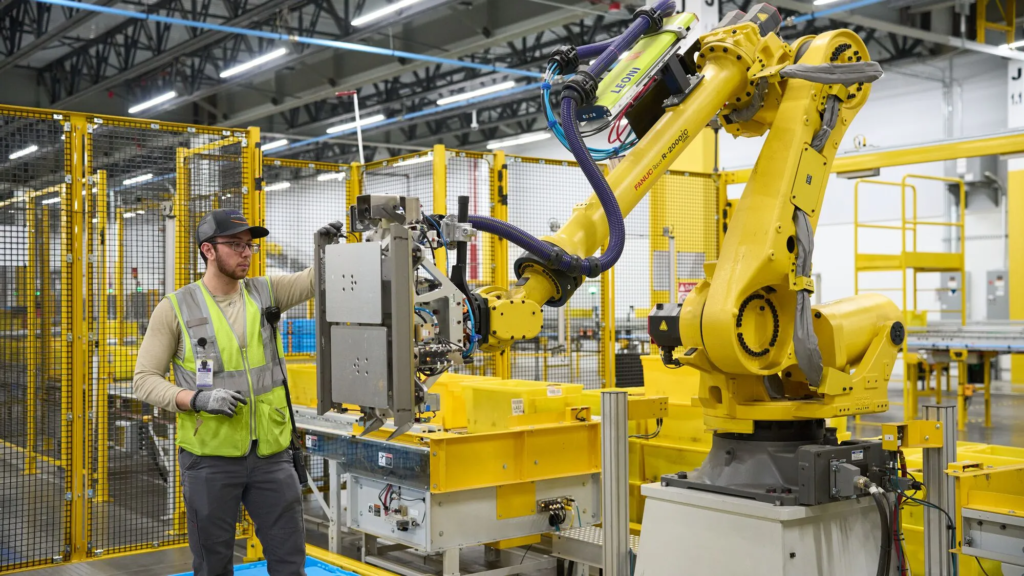
Engineering teams found challenges in taking the robot from test to scale. The robot solved some tasks but also faced real-world limits. Packing environments are varied and complex. Robots must grasp many shapes and sizes. Amazon said the underlying software and sensing work will live on in other efforts that need advanced manipulation.
Project Timeline and Testing
Blue Jay reached prototype stage in about a year, which Amazon said was fast. The company credited advances in artificial intelligence for that speed. The system was tested in a facility that focuses on fast delivery. The tests provided data on how the robot sees items and how it coordinates with human workers. Amazon has other robots in warehouses and has invested in this space since it bought Kiva Systems in 2012.
Vulcan and the Robot Fleet
Blue Jay is not the only robot in development. Amazon also introduced a robot called Vulcan that works inside storage compartments. Vulcan uses two arms and a mix of sensing to move goods. Amazon has deployed many types of robots across its network, and the company said it now has over one million robots supporting operations. The pause on Blue Jay does not change the broader robotics work.
Amazon plans to reuse the technical pieces created for Blue Jay. The company called out manipulation algorithms, sensing advances, and control systems as parts that will be moved to other projects. Engineers will also shift to efforts that improve picking, packing, and safe collaboration with employees. The company said these moves will accelerate other manipulation programs.
Worker and Safety Focus
Amazon framed the work as a way to improve safety and efficiency for human workers. According to Business Insider, the company said automation is meant to support employees and reduce repetitive strain. The team will carry lessons from Blue Jay into systems that help people lift, move, and sort goods. That will include tools that let humans and robots work together on tasks.
Pausing a prototype is a normal step in robotics. Real-world warehouses are hard places for robots to succeed. Many research systems do well in labs but need changes for everyday use. Amazon will continue to test new robots and to refine systems that actually help in busy facilities.