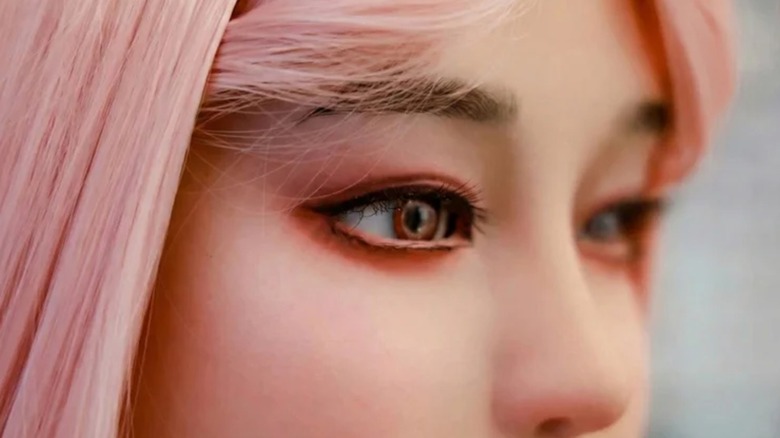

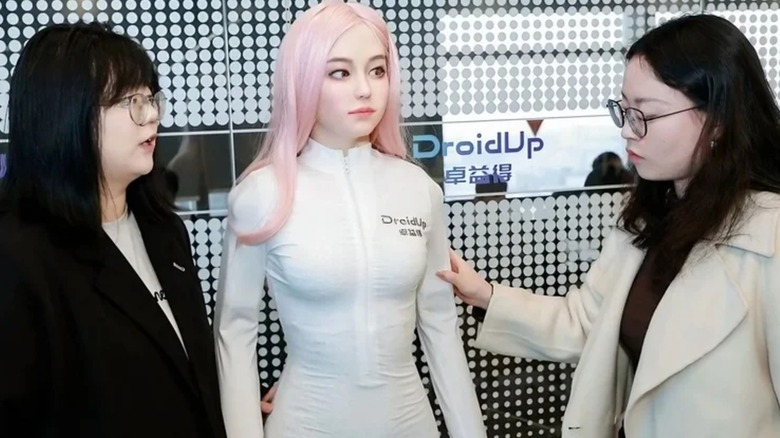
Meet Moya. She is a robot that pretends to be human in all the worst ways. The startup DroidUp showed her off in Shanghai this month and the internet screamed. The headlines say that Moya has flesh like padding under silicone skin. She can keep her surface warm like a real person. The company says warmth helps humans bond with machines. The rest of the world says weird things and asks where to sign up for therapy.
This is not a dry lab bot. This is a pricey cuddly droid built to feel. The firm claims a body temperature of about normal human warmth. They added cameras in the eye. They added dense tactile skin. They built a chassis that can walk and make facial expressions. They call it biomimetic. The PR copy calls it companionship tech for elders and lonely people. Some people hear all that and feel the future. Many other people hear it and feel a deep shiver.

The Sales Pitch and the Screaming Comments
The sales pitch is neat. The robot looks warm and safe in pictures. The copy says Moya will help with elder care and hospitality. The pitch is a mirror to deep fears. People worry that a market for intimacy robots will explode. People worry that emotional attachment to a machine will replace real care. They worry that normal human boundaries will go out the window. The video comments grew strange in forty eight hours. People asked if the robot has a cleaning mode. People joked about sexual accessories. That reaction tells the whole story about how the world meets a new uncanny toy.
There is a cheerleader group for the machine. There is a horror fan club for the same machine. That split says more about us than about Moya. One side wants efficient care and neat tech. The other side sees a slippery slope to emotional harm. The firm says they are solving loneliness in an aging nation. The critics say the company is selling a hug that can never answer back. Both views fit into the same scary picture.
Why the Warmth Trick Is Clever and Creepy
A warm surface is a tiny trick. It signals life. It makes touch easier to accept. Humans use warmth to read each other. A robot with heat is a convincing actor in social scenes. That is the clever part. The creepy part is that the trick uses our instincts. The robot does not feel. The robot will not grieve or change or be honest. The design makes the user feel a bond that the machine does not return. That is the ethical hole and the marketing edge.
Treating humans like data and robots like therapy is a neat business model. It pairs emotion with hardware. It sells empathy in an expensive box. It buys repeat customers with novelty and new frictionless intimacy. That is a market. It reads like a startup pitch and like a bad sci fi plot in equal measure. The company location in Shanghai matters. The city has labs and money and a culture of fast robotics. That helps the robot go from demo to product talk in a flash.
What Experts Keep Saying in Quiet Voices
Experts warn about emotional risk. They warn about the bond we form with simulated folks. They warn about the social cost in the long run. They say that an easy warm robot may erode caregiving skills. They say that a machine that looks alive may confuse the grieving and the lonely. The warnings sound dry. The warnings also sound like urgent ethics. Those voices do not want a world where machines stand in for human care. Those voices also do not want companies to monetize sorrow.
Technology fans will say the same thing in a mirror. They will call it progress. They will point to mobility gains. They will point to better cameras and better motion. They will point to the idea that robots can do dangerous or boring tasks. Both views are true at once. The robot is both machine and mirror. It shows what we want and what we fear. That double image is the story that made Moya viral.
The Big Picture for the Rest of Us
Moya is a showcase. She is a signal. She is a viral headline that tells us where the industry is heading. The device is flashy hardware plus social software. That mix is powerful. It is also fragile. The real test will not be kung fu flips or gala demos. The real test will be whether the robot can help someone with real needs day after day. The robot can flip and dance on a stage. The robot will have a harder time in a messy home with a real sick person. That is where the claims will either hold up or fall down.