
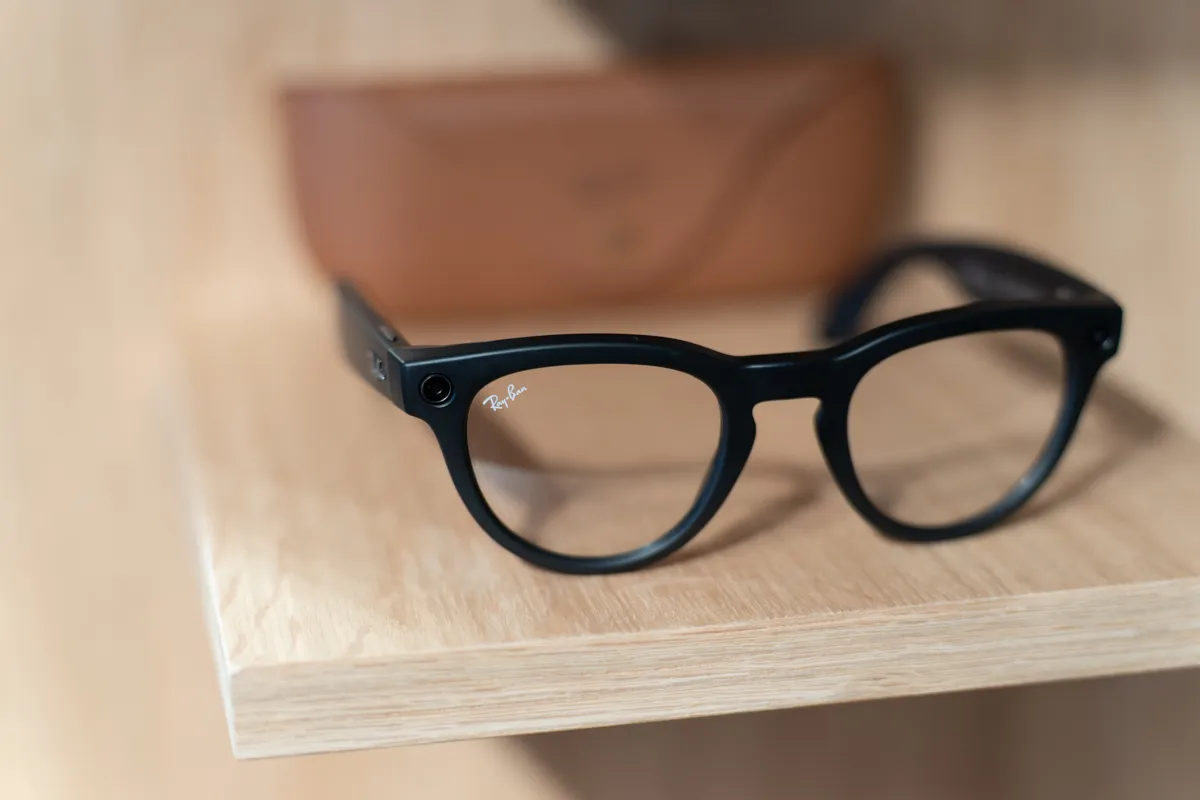

A string of reports says that Meta has been discussing adding facial recognition to its smart glasses. This is reportedly known as Name Tag, and it would allow a user to know who an encounter is and retrieve some context. The concept resurfaced in an article with materials from internal memos and interviews with employees that was synesthesised in mainstream publications and subsequently talked about extensively by tech journalists.

Sales and Timing
The company that makes Ray Ban frames for Meta saw strong demand last year. The eyewear partner reported that smart glasses sales jumped sharply in 2025 as more models reached stores. That commercial success helps explain why the firm is exploring new features and why timing for a sensitive capability matters to the business.
What Meta Plans
Reports say the proposed feature would match people who appear in view with public profiles or with names the user has permission to see. The company has not announced an official product. A spokesperson said the firm is considering options and will be careful before rolling anything out. Meta also noted past work on accessibility that used similar systems to help people who are blind or have low vision. The conversation shows the tension between possible social utility and deep privacy risk.
The civil society organizations that are against facial recognition have sounded alarm over mass surveillance and mishandling by bad actors. Privacy advocates and lobby groups urge the government to establish severe restrictions or an outright prohibition of live face recognition in the streets. Such groups have influenced the policy discussion in the country and have determined the decisions of companies over the past years. The issue also sits before regulators and lawmakers in many countries. The reaction to any move toward face scanning in wearable cameras will be swift and sustained.
Technical context and past experiments
The core technology is broadly available and researchers have shown how to adapt cameras to identify people by matching images to online data. A notable student project once used external services to turn a pair of Ray Ban frames into a rudimentary recognition system. That work made headlines and reinforced public fears that wearable cameras could be used for identification in public spaces. Meta has previously removed face matching from some of its services in the past and that history shapes today’s debate.

Internal documents that reporters reviewed mention timing and how public attention might affect scrutiny. The suggestion that broad public distractions would reduce protest has raised sharp criticism. Observers said choosing a moment of political turmoil to introduce a controversial capability would be a poor tactic. Company spokespeople deny that any rollout decision is final and say they will consider ethical and legal constraints carefully.
Company Position and Next Steps Meta has said it is thinking things through. The company has asked outside experts to consult in past projects. It also faces ongoing legal and regulatory challenges in several markets. Any formal proposal will likely trigger reviews by privacy groups and by regulators. Watch for public comment from civil society organizations and for filings or statements from the company as the story develops. The firm may release controlled tests or pilot programs before any mass launch.