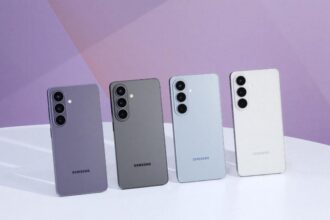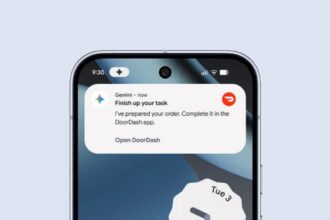
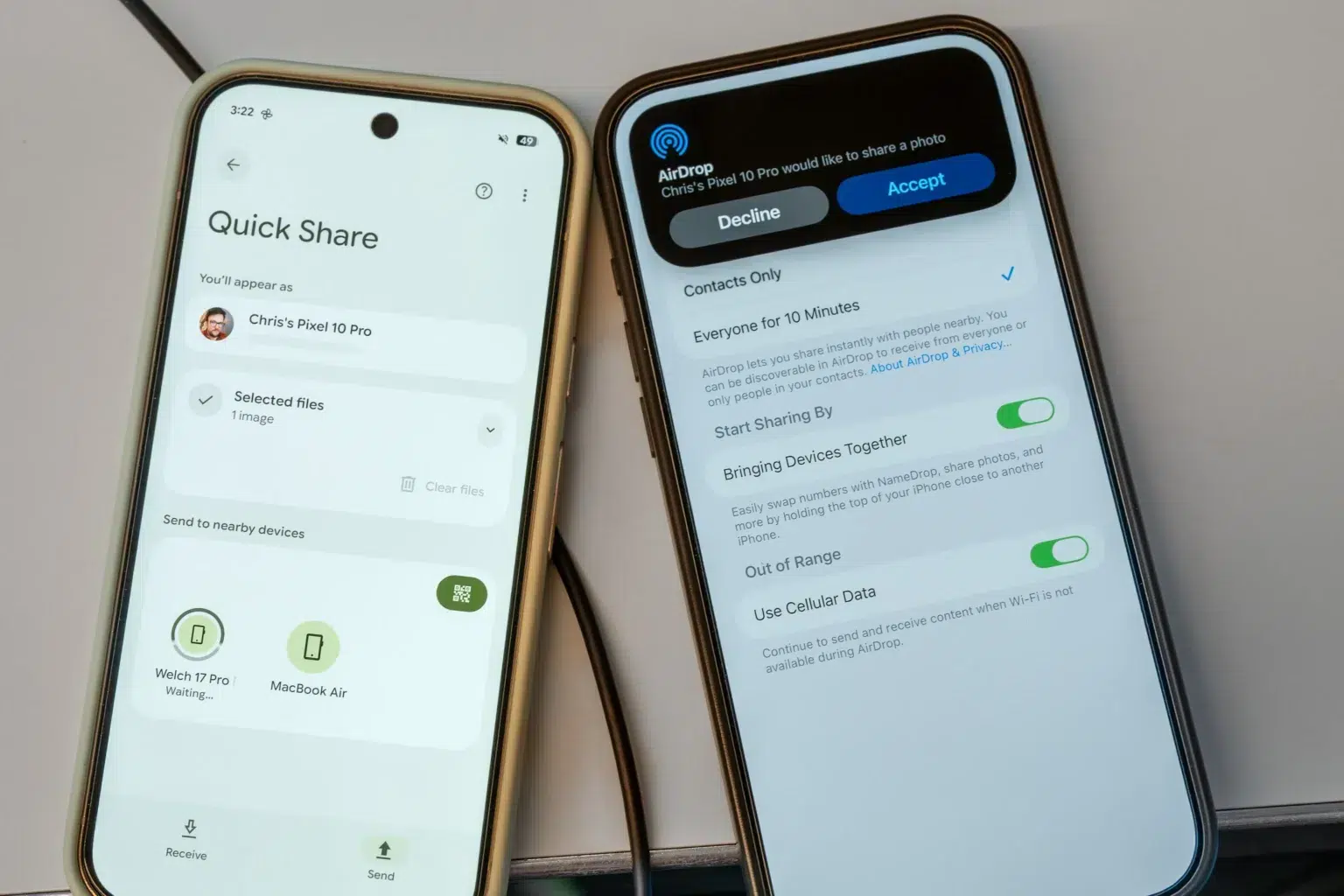

Google has launched an update to its Pixel 10, which allows Pixel phones to send files directly to iPhones and iPads, and Macs by using Quick Share in conjunction with Apple device discoverability settings. This alteration allows an Android user to share photos, videos, and documents on an Apple device without having to install a third-party application.
Google has indeed affirmed that it now intends to expand the feature outside the Pixel 10. Engineers in the company claimed they have demonstrated the strategy and will collaborate with partners to realize the same on more devices within the Android community later on in 2026. Google announced negotiations with hardware manufacturers and software collaborators in an expansion rollout.
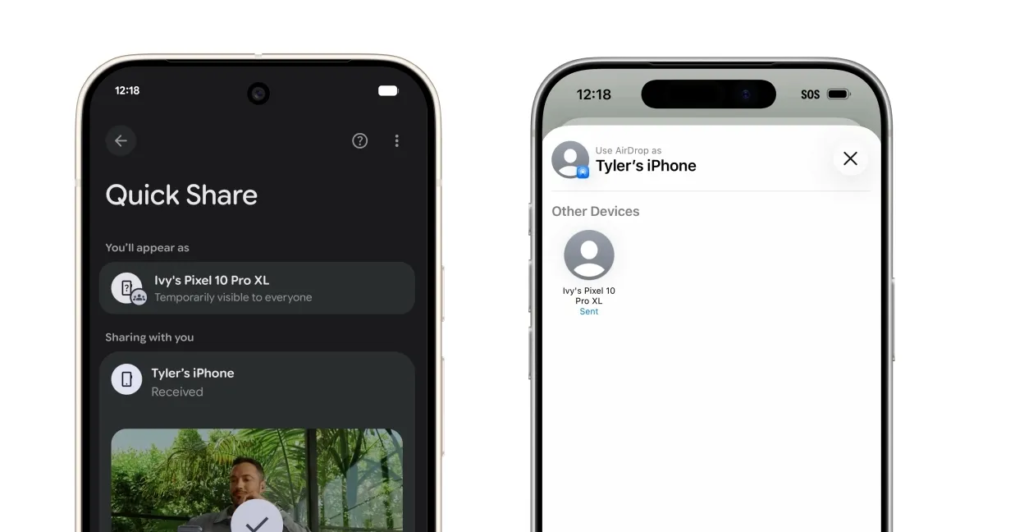
Reports show the first public test was limited to Pixel 10 phones. Google designed that trial to validate the approach and to harden the code. The company is now moving from a Pixel-only pilot to a multi-partner expansion. Android engineers said more announcements will follow.
How Quick Share Works
Quick Share now detects nearby Apple devices when those Apple devices make AirDrop discoverable for a short period. On the Apple side, the owner must set AirDrop to accept files from Everyone for a limited interval. The Pixel user then opens Quick Share and selects the visible Apple device. The file transfers directly between the two devices. No cloud relay is required for the transfer itself.
Technical teams built the compatibility using peer-to-peer networking and temporary discoverability settings. Google says it tested the method with security firms to check for risks. The Verge reported that the approach avoids servers and that Google validated the method with an outside assessment. That validation aimed to make the feature secure while still being cross-platform.
Early users reported some bugs in the first Pixel 10 release. Some devices saw Wi Fi disruption when Quick Share was opened. Google and partners will need to solve these rough edges while scaling the feature to more models. The company appears committed to ironing out these problems as the program grows.
Impact on Users
Cross-platform file sharing leads to a source of tension in mixed device households being mitigated. Users of Android and Apple devices will be in a position to share files without the use of email, messaging applications, or cloud connectivity. That modification accelerates the daily sharing of many users and makes it more direct.
To Android phone manufacturers, the switcher barrier has been reduced by the move. Improved interoperability has the potential to make the Android handsets more appealing to individuals who already own a Mac or an iPad and are planning to switch to Android. Google has also indicated that it would enhance the transition process to Android among users who switch from iPhone to Android.
Apple has not issued a public comment about the Pixel 10 compatibility or Google’s plans to expand Quick Share. The companies have different platform strategies. Google built compatibility without Apple’s cooperation. That approach has raised both technical and policy questions.
Cross‑Platform Sharing Tested
Anticipate the early rollout of the expansion on new flagship devices as well as on phones of partners that are closely related to Google. The first phone makers to get the Quick Share update will probably be those that already have an established partnership in terms of their software functionality. An extended supply in mid-range models could come later in 2026.
Early adopters will have to report bugs, which will require Google to fix them and to harden the user flow. External security checks will also be perpetuated in the company. Formal release notes and step-by-step instructions should be monitored by users before they transfer cross platform.