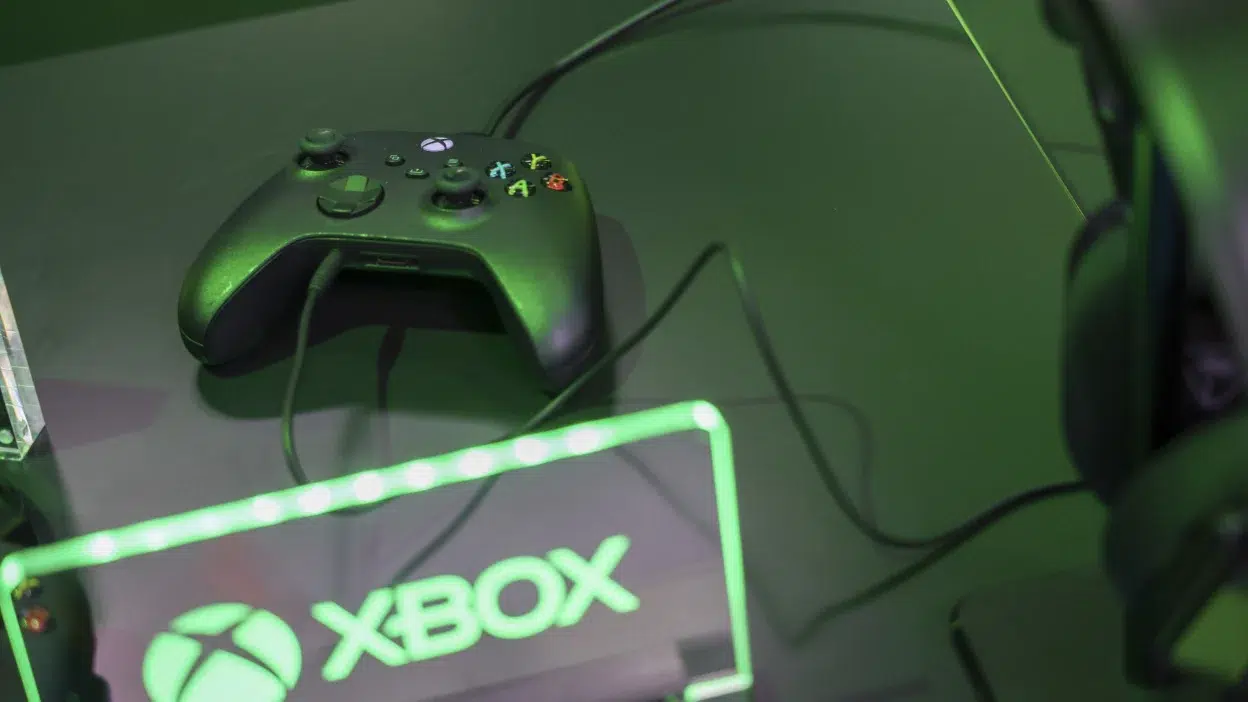

AMD chief executive Lisa Su informed investors that next-generation Xbox development based on an AMD semi-custom system-on-a-chip is underway in a manner that would enable a 2027 release. This brief announcement would not in itself verify a solid date by Microsoft, but it does indicate that AMD has silicon plans in the 2027 window, which is possible.
Launch timing requires three things to line up. First, Microsoft must decide on a public launch schedule. Second hardware must clear design and test milestones. Third-party software and partner games must be ready to appear on day one. Statements from AMD suggest the chip work is moving forward. Reports and leaks that have circulated for months fill in the rest of the picture about likely architecture choices and a possible development timeline.
Launch Timing Context
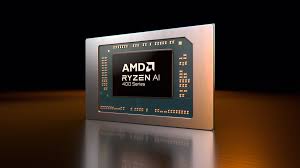
AMD has supplied custom chips for prior Xbox consoles. That history makes AMD the natural partner for Microsoft again. During the past year, a number of leaks and reporting threads have suggested the new box will use a next-generation AMD APU that mixes Zen 6 family CPU cores with a new RDNA 5 class GPU. Those leaks also used the codename Magnus for the core APU design. Public reporting about those items predates the earnings comment and helps explain why AMD can talk about readiness.
Public filings and trial documents from Microsoft and related companies have also contained internal roadmaps that point to silicon tapeout and development kit schedules. One set of internal documents discussed alternate timing and platform strategies, and one public account of internal slides referenced a possible 2028 plan for a next-generation platform. That does not contradict AMD. It shows that timing can shift as Microsoft evaluates hardware and software tradeoffs. AMD has worded it well, indicating that it is in a position to launch in 2027, instead of saying that Microsoft will certainly launch in 2027.
Technical Expectations
Market leaks and reporting name a few likely technical facts. Expect a modern CPU based on Zen 6 derivatives and a GPU built on the RDNA 5 architecture family. The goal is higher single-thread performance, better efficiency, and improved ray tracing and shader throughput. It has been reported that there will be a development schedule with a tapeout in early 2026, and development kits will be delivered later in 2026 or early 2027. That schedule fits a 2027 retail launch window if Microsoft keeps to a rapid engineering cadence.
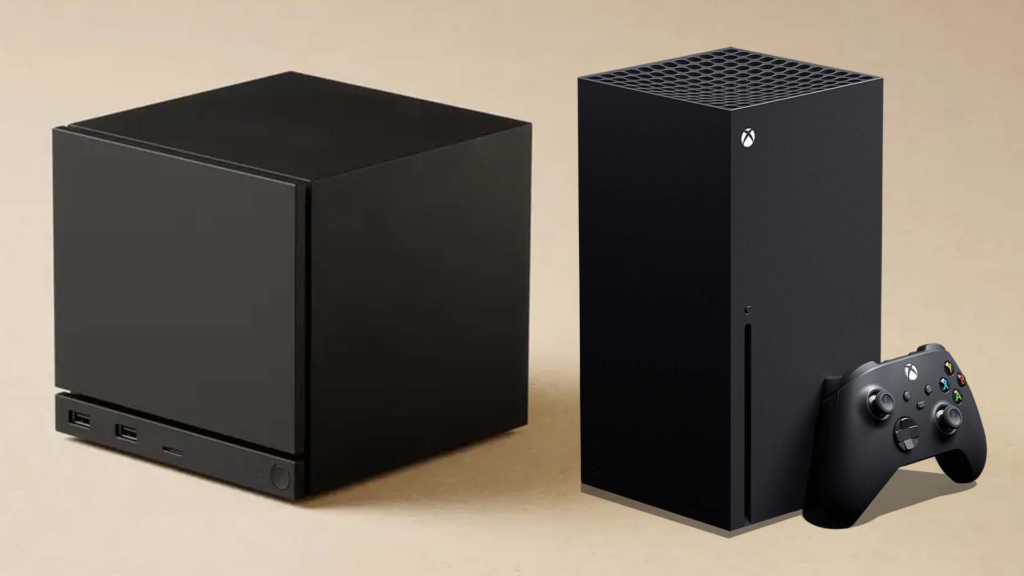
Platform-wise the new console has the potential to push more native resolutions and frame rates on most titles and allow more PC like features to be brought to the living room. The SoC will be semi-custom, and this implies that AMG will configure the chip to Microsoft’s performance and power specifications while retaining sufficient common design to use AMD’s own IP and tools. That has been successful with console partners in the past.
The fact that AMD stated that it was willing to back up a 2027 launch is the most important to supply chain planning and developer schedules. Game studios should be aware of the time new dev kits will be available to them to be able to tune code and assets. Retail and component partners use a target year to line up logistics. For customers, there is no immediate buying change today. The existing Xbox Series family remains supported and will receive new games and updates. Microsoft will still have to confirm a launch date publicly.
Risks and Caveats
Plans for next-generation consoles evolve. The internal documents may reflect one target, and product teams will modify the timelines according to the yields, costs, or strategic priorities. Wording matters. AMD claimed that it is prepared to assist in a 2027 launch. Such a wording gives Microsoft the flexibility to postpone the date. The ship year could have been delayed by supply chain bottlenecks, increasing prices of memory, or a strategic move on the part of Microsoft. Leaks about core IP, schedules are useful to construct a plausible image, but not confirmations.
Apple and console life cycles demonstrate that one company is able to change launch plans when it is necessary. It is the weighing of its own software roadmap and PC partner plans with the overall market that Microsoft will do when it decides on a final date. In the meantime, AMD has hinted that it is not silicon work that is the roadblock to a 2027 launch. It is valuable data to the developers and investors who are monitoring the console cycle.