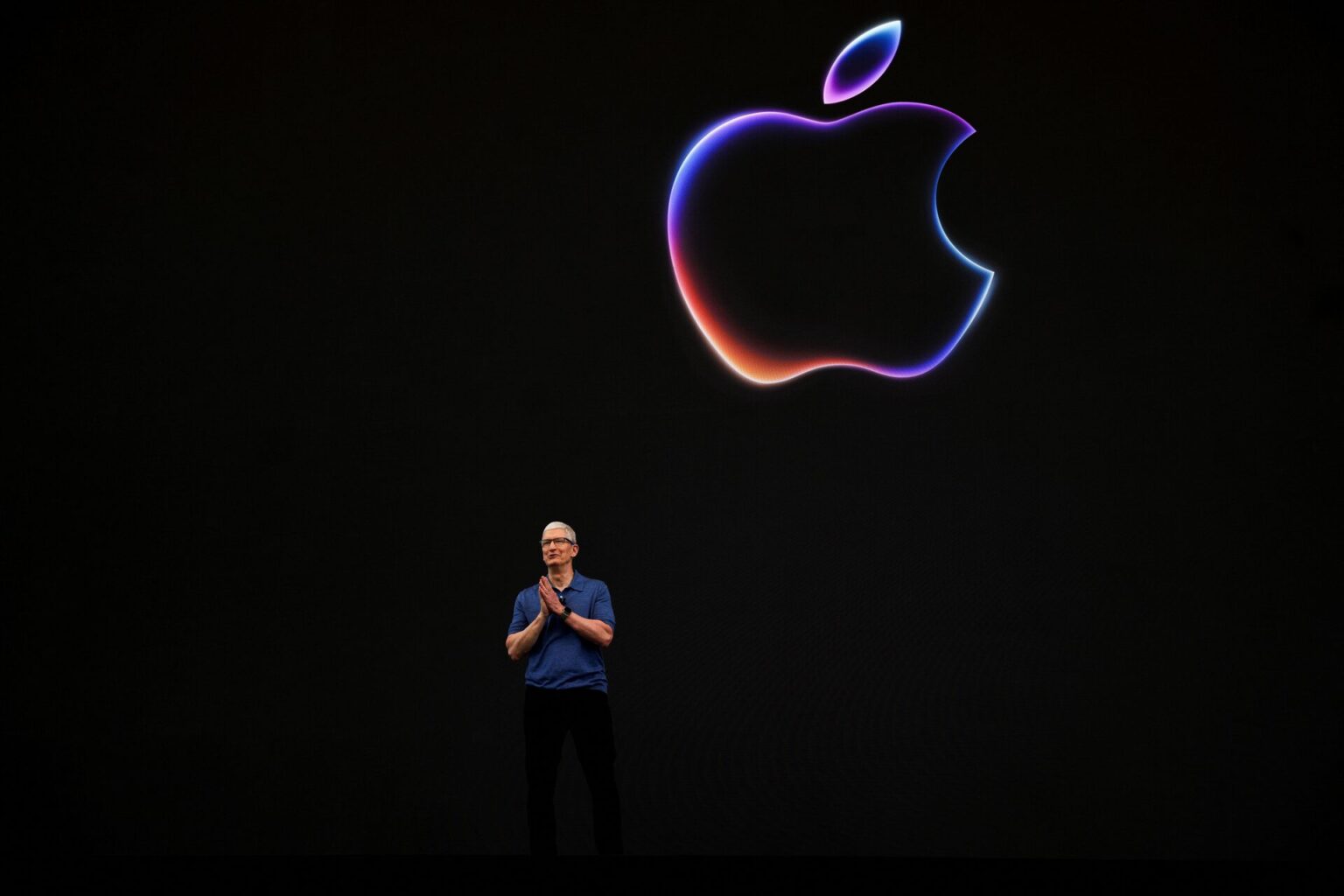

Apple is experiencing a change in the way the world manufactures the chips that run phones and computers. The rapid expansion of Nvidia is due to the fact that companies operating in AI require very large quantities of sophisticated chips. This shift also means that today, TSMC sells more to Nvidia than to Apple. The move makes Apple less able to purchase the entire output it used to purchase.
Apple has observed that the cost of memory is going up, and chip makers are switching their focus to AI server parts. This pattern has developed stricter supplies of the chips that were applied to the phones and laptops. An increase in the prices of memory makes it more expensive to construct devices, and profits will be narrowed.

Apple has long kept costs low by using strong supplier deals and precise planning. That power rested in part on Apple being the largest buyer for some key suppliers. The market has changed. AI demand and higher prices mean Apple must adapt.
Alternatives and Partners
Reports say Apple is looking at other chip makers to share some work. The company has talked with Samsung about new chip work at a Texas plant. The plan is to develop new ways to make chips in the United States. Apple said this work will help supply chips for iPhone designs.
Analysts have also raised the possibility that Intel could make some Apple chips. The idea is that Intel would make certain lower-tier processors while Apple still designs the chips. Some experts say this could start around 2027 for specific lower-end chips. Intel would build rather than design the chips.
Apple has used multiple foundries in the past. The company once split production between Samsung and TSMC for earlier iPhone chips. The new moves would not mean a full switch away from TSMC. The plan would be to add capacity and reduce risk.
Costs and Consequences
Rising memory prices and tight supply could change how Apple sets product plans. Increased component prices may contribute to fewer low-cost models ora price increase. The company may hold more inventory to avoid shortages. The change may also mean Apple pays more to secure capacity.
Adding new foundries takes time and cash. Apple needs to have a high quality and output from any new partner. The process of establishing trust with a new manufacturer needs testing and scaling up. These measures will have the effect of slowing the pace at which Apple can change its production.
A steady iPhone demand profile still makes Apple a highly valued customer. Suppliers want Apple business for the volume and the standard of work Apple brings. This means the company still holds leverage as it seeks new deals even as AI demand reshapes priorities.

How This Plays Out
Apple will likely keep TSMC as a key partner. The company will also move to secure capacity with others to handle spikes and new parts. The approach aims to protect supply, control costs, and avoid a single source risk. The full plan may take months to reveal.
Apple has public programs that back US-based chip work. These programs could help shift some production to the United States. Work at new plants will not replace all of Apple’s needs overnight. The move will support certain chips and give Apple more options.
The global chip market is changing. That change is driven by great and sudden demand for AI chips. Apple now must adapt its supply plans to that new reality. The company has the scale and the partners to adjust. The coming months will show how Apple balances cost, speed, and supply to keep making devices at scale.