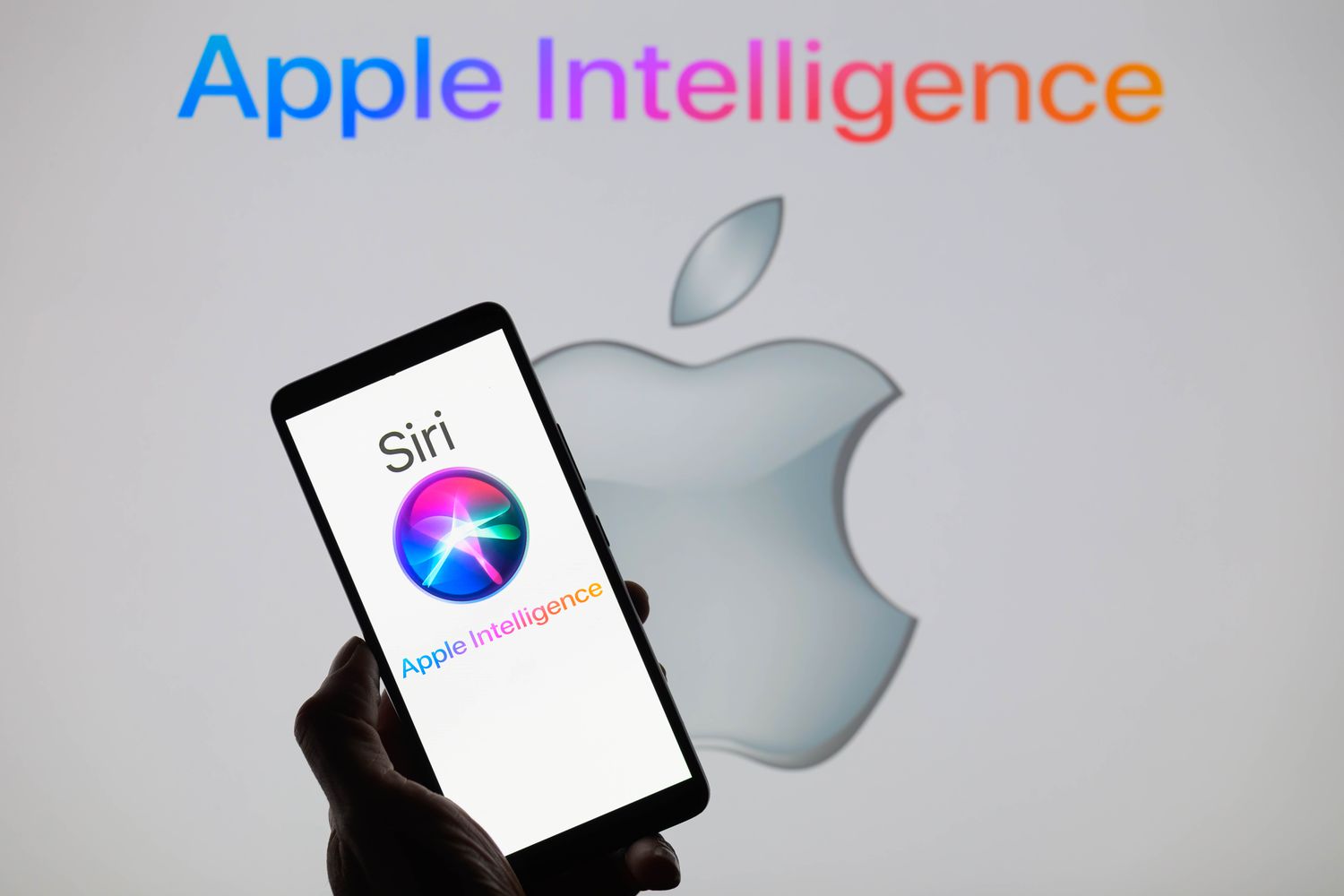

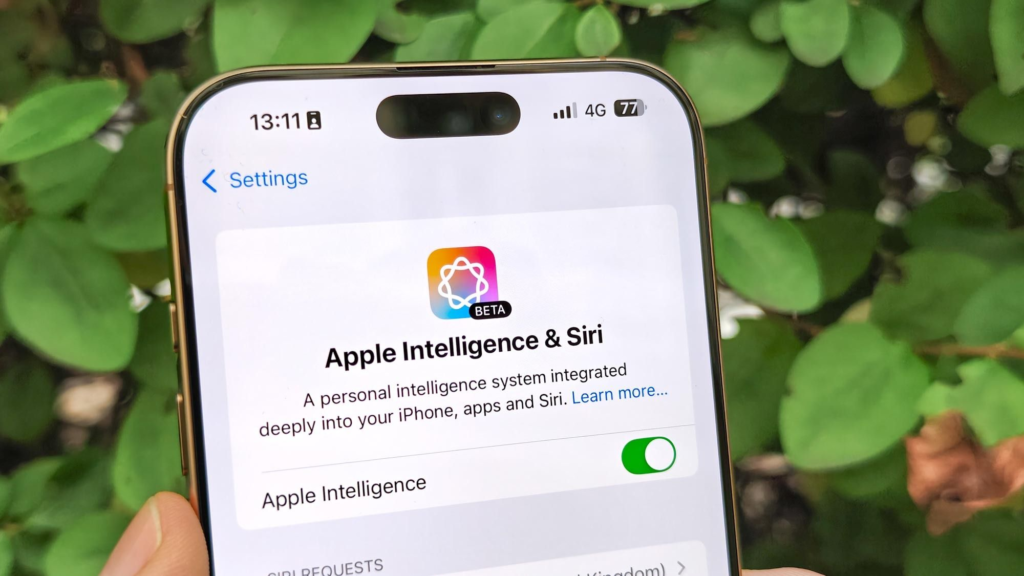
Apple has lost several AI researchers and one senior Siri executive in recent weeks. The exits include researchers who have moved to other firms or started new ventures. These moves have drawn attention because Siri is due for a major upgrade that will fold Apple Intelligence into the assistant.

Who Left Apple
Reporters say at least four AI researchers left Apple recently. The names mentioned by reporters include Yinfei Yang, Haoxuan You, Bailin Wang, and Zirui Wang. One senior Siri executive, Stuart Bowers, also departed and has moved on to work on other large-scale AI efforts. Some of the departed have joined other tech firms. Others have left to start new companies.
Apple had already seen a steady flow of AI talent moving between tech companies over the last year. That pattern is typical for this job market as firms compete for engineers who can build advanced models. The same trend has affected many companies that work on foundation models and assistant technologies.
Apple Response and Plan
Apple has framed these departures as normal in a highly competitive field and has said its core plans remain intact. The company is focused on shipping features that work at scale across millions of devices. That approach requires strong product teams and long-term integration between software and custom silicon. Apple leaders have signaled that the roadmap for Siri and Apple Intelligence is a company priority and will continue.
The Siri overhaul is meant to move the assistant from a set of narrow features to a deeper system-level capability. Apple has a plan to integrate Apple Intelligence in iOS, iPadOS, and macOS. That work depends on model deployments, device privacy handling, and engineering that ties model outputs into system actions. These are broad platform tasks that do not hinge on any single researcher.
Siri Upgrade Outlook
The dismissal of a few researchers fails to take away the years of engineering and the infrastructure that Apple has created. Apple has ownership of the operating systems, the app frameworks, as well as distribution channels, according to Bloomberg. Those resources enabled the company to launch new helper features on hundreds of millions of devices in a synchronized manner. That scale gives Apple an advantage when the company moves from a research prototype to a shipped feature.
Nevertheless, the exits keep them in good company, reminding us of the talent squeeze across the industry. Google and Meta are firms that are still on the hunt. Some researchers prefer an open research environment. Others want the speed of startups. Apple must balance long-term product work with opportunities for staff to pursue new roles. That balancing act is routine for the sector and is a different challenge than a product-level disruption.