
Wikipedia turned 25 on January 15, 2026. The Wikimedia Foundation also commemorated the milestone by a year-long campaign aimed at sharing the stories of volunteers who keep the site running. The campaign highlights a new docuseries, a time capsule, a mascot, and new enterprise partnerships that fund the nonprofit mission.
Docuseries and Capsule
The Foundation published a documentary series in short form, which tracks a team of volunteer editors in various locations around the globe. The episodes show how people log edits, track breaking events, and keep facts accurate. The time capsule offers audio memories from founder Jimmy Wales and a curated view of notable moments in Wikipedia history. The stories remind readers that the site runs on human effort and shared standards of sourcing and neutrality.
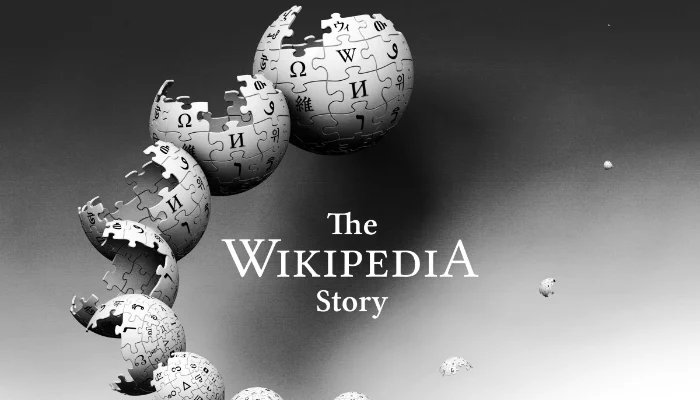
The new mascot is known as Baby Globe, and it has a special birthday mode featuring which will be offered in other language editions later in the month. The mascot and a limited edition of merchandise are included in the more extensive campaign of raising awareness of the volunteer community and attracting new participants to the group. An interactive quiz also published by the Foundation discusses the ways Wikipedia can be viewed in the future and asks the readers to consider the ways the project should develop.
Partnerships and Sustainability
The Wikimedia Foundation announced new enterprise partnerships that cover structured access to Wikimedia content at scale. The new partners include major technology firms that rely on Wikipedia data for search AI and other services. These agreements help provide stable revenue for infrastructure and for projects that support editors around the world. The Foundation framed the deals as a way to have companies that rely on Wikipedia share the cost of keeping it free.
Leaders at the Foundation said this approach supports a clear principle. Large reusers should pay for the scale of access they require while the site remains available to everyone at no charge. The Foundation also pointed to a recent AI strategy that prioritises human contributors, and that guides future investments in tools that help editors work faster and safer.
Wikipedia and AI
Wikipedia has become a core dataset for many AI systems. The Foundation explained that this role raises both opportunity and responsibility. The human editorial process provides quality and context that automated systems lack. Wikimedia leaders said they will work with partners to ensure that reuse is responsible and that editors and communities get credit and support for their work. The new enterprise model is one way to formalise that relationship.
The celebration materials note that Wikipedia remains among the world’s most visited sites. Recent data show the project hosts more than sixty-five million articles across three hundred languages, and that the site is viewed billions of times every month. The scale underscores why the Foundation seeks audited partnerships that fund ongoing technical and community work.
Reaching new readers
The anniversary campaign mixes nostalgia with outreach. The Foundation opened a digital birthday card that fans can sign at a global livestreamed event and local in-person meet-ups. The project also highlights efforts to close knowledge gaps through translation community building and projects aimed at underrepresented topics and regions. Wikimedia staff said they hope these activities will attract new editors and readers across regions that are underserved by current coverage.
The docuseries profiles editors who document weather events, medical information, and local cultural topics. These episodes aim to show the human side of knowledge work and to encourage volunteers from diverse backgrounds to participate. The Foundation emphasises training tools and community grants that help newcomers learn how to contribute responsibly.