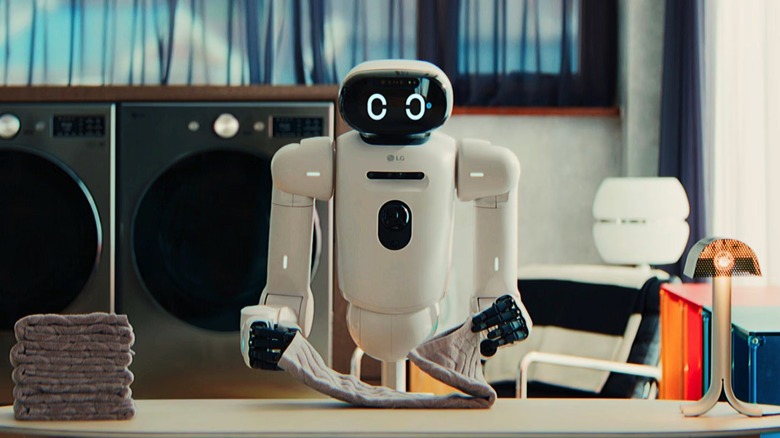

Robots are learning to guess what humans want. That skill sounds friendly. It also hands companies the keys to private behavior. The PRIMI project trains robots to infer beliefs, preferences, and intent. The work comes from a team led by Dr Mehdi Hellou and is described as a way to let robots anticipate when someone needs help and to adapt over time.
How the Robots Read Your Mind
The system combines simple motion skills with models that try to guess human mental states. Robots watch actions and test explanations about what a person might want. The models use psychological ideas and machine learning to build a small theory of mind. Researchers published the methods in a peer-reviewed paper that explains the approach and the tests.
The team plans to test these machines in real clinics. Stroke rehabilitation pilots will ask humanoid robots to support patient recovery. That is a clear and useful test case. Robots that predict a falling patient or who notice a missed exercise can save time and reduce harm.
Why This Help Smells Like Surveillance
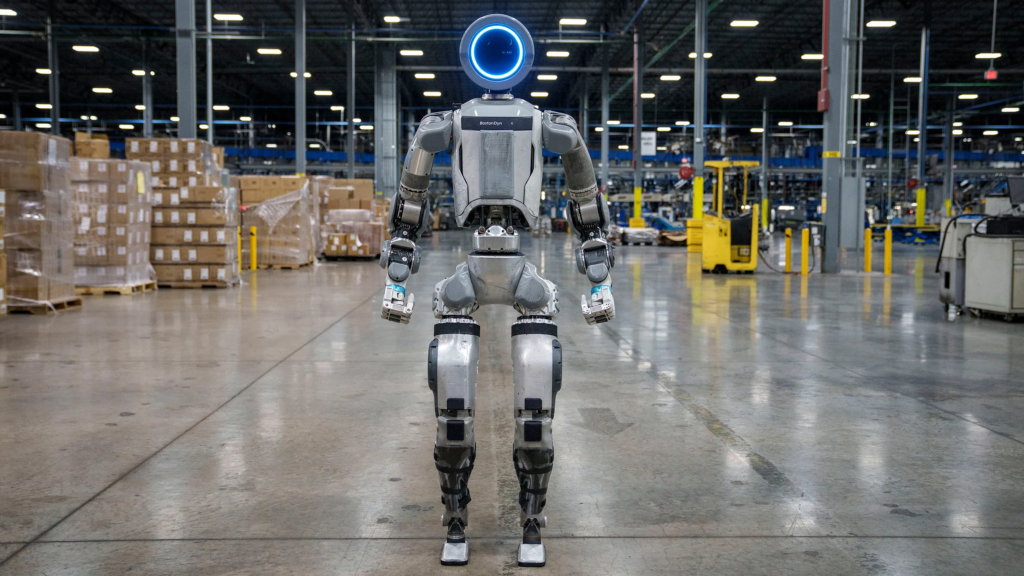
A robot that guesses your intent also records you in new ways. It logs patterns of action and of choice. That stream of signals looks very much like behavioral data. That data can feed models and feed business lines that sell insights. The same system that notices a patient need can also notice moods and routines. That information is valuable to insurers advertisers, employers, and to anyone who buys access to it.
The project is framed as a safety and trust tool. That framing has merit. Trust matters in care and in heavy industry. At the same time, the technology opens a route to silent profiling. Companies can argue that a model helps users. Companies can also sell a premium that predicts people better than humans can. That premium is the point where aid becomes product and where privacy becomes inventory.
Ethics and law lag behind the lab. The research paper discusses transparency and false beliefs. Those are real problems. Regulators will need rules about consent, data ownership, and about what machines may infer. Without rules, a device in a ward or in a home may learn too much too fast. That learning will be hard to unwind later.
Design choices will matter. A robot can run local models that never leave the room. A robot can also stream signals to cloud servers. Choose the cloud, and the robot becomes a sensor node for a much larger data engine. Companies and hospitals must show how they protect patients and workers. The public will demand those answers once products leave the lab.
Watching vs. Helping
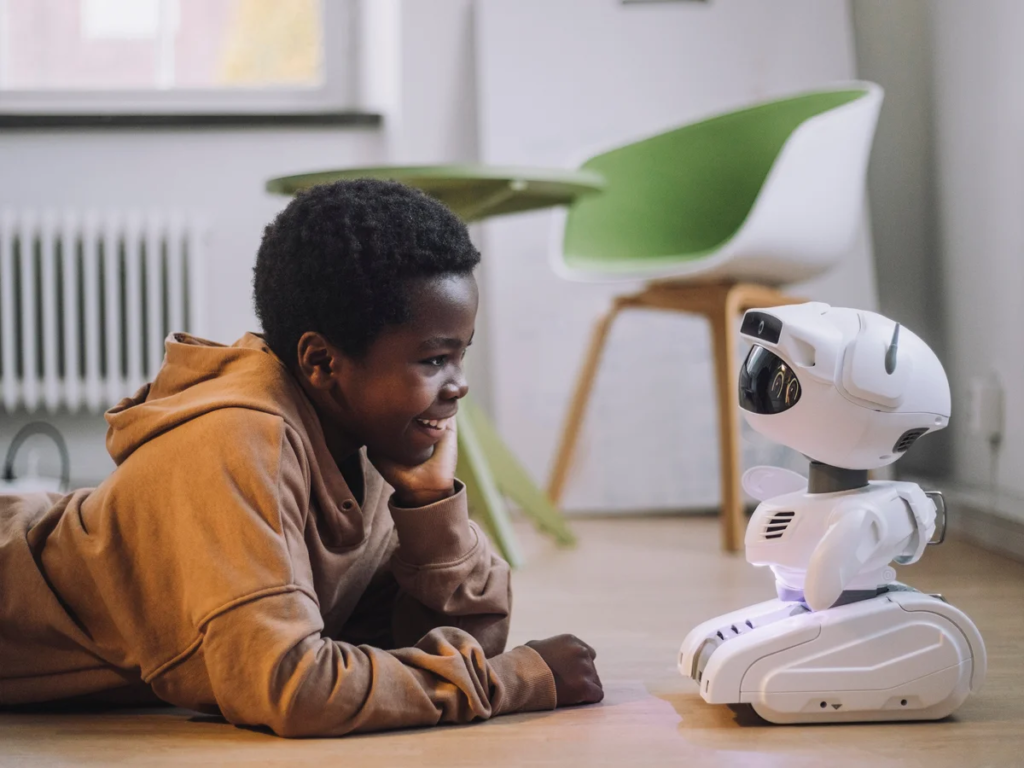
This is a moment for clear rules and for blunt questions. Who owns a record that says a patient felt fear at 3 am. Who can see a log that shows how often someone paused during a task. Who profits when a robot predicts that a person will need more medication. These questions are not science fiction. They are part of the very real rollout that research papers now describe.
Researchers and vendors will say the tech can improve care and safety. That claim has truth and value. It also hides a commercial path. The same models can be used to optimize work schedules to nudge shopping habits and to profile people for risk. The best case is useful help. The worst case is a steady siphon of private life into corporate systems that trade on personal prediction.
This balance will shape whether these robots are helpers or new probes. The work of Dr Mehdi Hellou and colleagues is important. The world must decide whether to accept helpers who also watch. That decision will set rules for health care for homes and for the places where robots now learn to read our minds.