

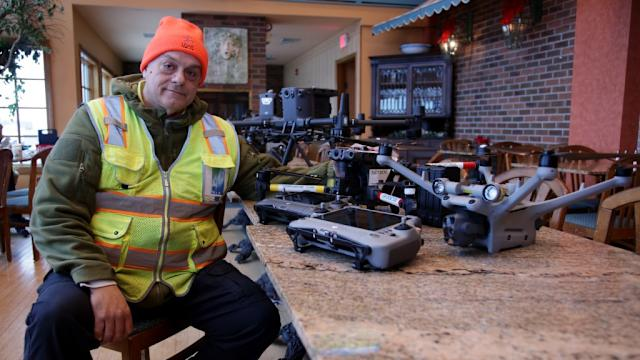
Michael Parziale runs a small but fierce nonprofit that hunts lost pets from the sky. He is a 64-year-old restaurant owner from Manasquan New Jersey. He built a fleet of 18 high tech drones. His team has found 122 animals in two years. That number includes dogs cats and even a cow. The group also trains veterans to fly drones and it helps seniors who cannot pay for private search services.
Parziale started this after he found a missing man in a swamp. The rescue proved a point. Drones work where boots and rubber boats can fail. The work moved him to focus on animals. One call grew into dozens. One rescue grew into a program with volunteers sons and a GoFundMe that pays for searches for people who need help. The team will travel from Cape May to the northern mountains of the state.
How the Drone Ranger Operates and Wins
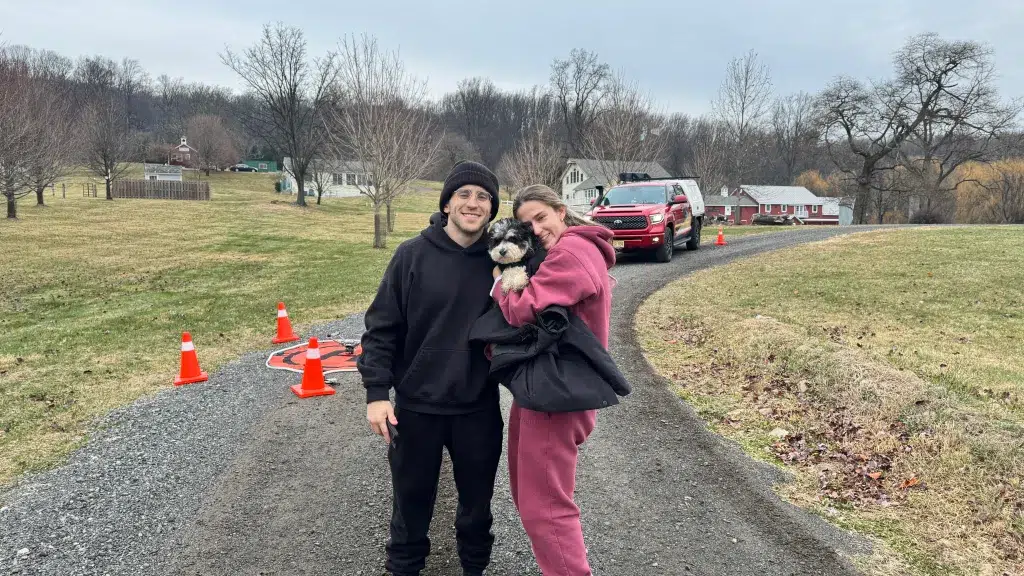
Parziale answers calls and drives to the scene. He puts a drone some half a mile off the house and begins to scan. The drones have thermal cameras to be able to see during the night. The regulations restrict the flight to 400 feet above the ground. The team notifies nearby airports when needed. Parziale is a private pilot with decades of flight time. That experience matters for quick safe flights. The Shade rescue made national headlines. A five-month old puppy named Shade was found in 41 minutes after 27 hours of searching by family and friends. The drone saw the puppy two blocks from home. The reunion was filmed and shared on local news.
The team trains veterans for drone careers. Graduates learn aerial surveying agriculture photography and infrastructure work. The training is free for veterans who take part. Parziale says the model honors his family military history and aims to give veterans paths into civilian jobs. The group also uses GoFundMe donations to underwrite searches for low income households and for seniors who say that a pet is often their only companion. The charity angle keeps the team on call without turning pet rescue into a pay only service.
Why This Matters and Why It Cuts Deep
This work feels good and it works fast. A drone that can see a heat signature while a volunteer freezes on a roadside is not a gimmick. It is a force multiplier. The tool reduces frantic hours and cuts search costs. Families do not spend days in the cold hoping for a miracle. A swift drone sighting turns panic into relief in a flash. The Shade story is proof of concept. The story is also a marketing dream. The video of Shade running back to his people will loop in feeds and bring donors to a GoFundMe page. The narrative of veterans learning a trade while saving animals plays very well to local pride.
This kind of work also exposes gaps in rescue services. Not every county has search teams that will help a frantic owner at midnight. Not every family can afford paid trackers. The Drone Ranger model slots into that gap. It shows how private passion can fill public holes. That is noble. That is also fragile. The work depends on volunteer hours donated by men who run a business and by veterans who need steady pay. Funding is public facing and donation dependent. The work scales only with money and formal grants. Until then the fleet will answer as many calls as it can.
Parziale also flies into disaster zones. Hurricanes and storms are places where a drone that sees high ground and stranded animals saves time for first responders. That work is technical and it can be dangerous. It also expands the impact of the team beyond pet reunions. The mix of disaster work community search and veteran training is an efficient use of the skills and equipment that the team has built.