

The mayoral inauguration banned two tiny pieces of tech by name. The list that attendees saw included Flipper Zero and Raspberry Pi devices. Organizers placed both items in the same category as fireworks and drones. That naming choice drew immediate attention and sharp questions.
What was Banned
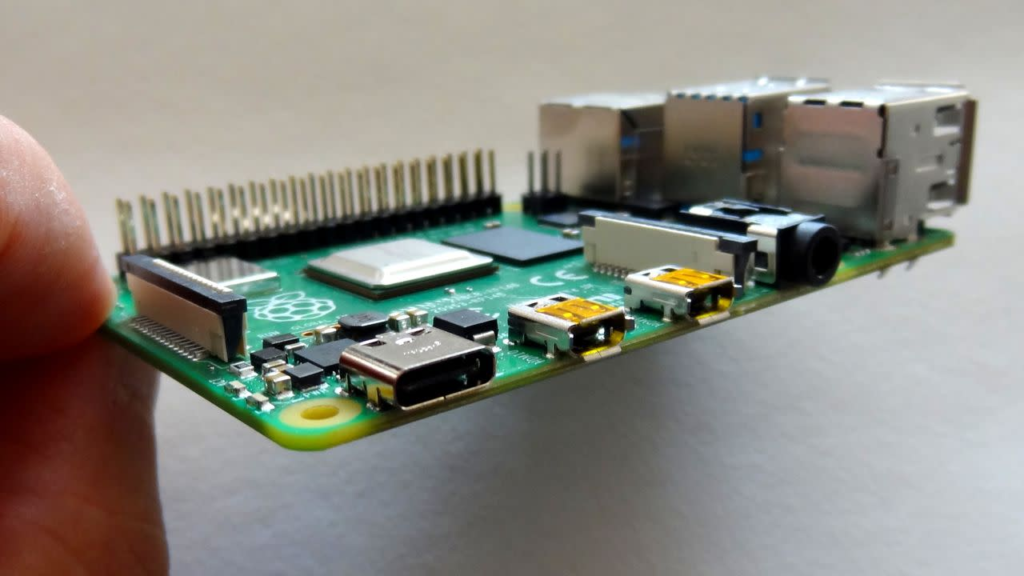
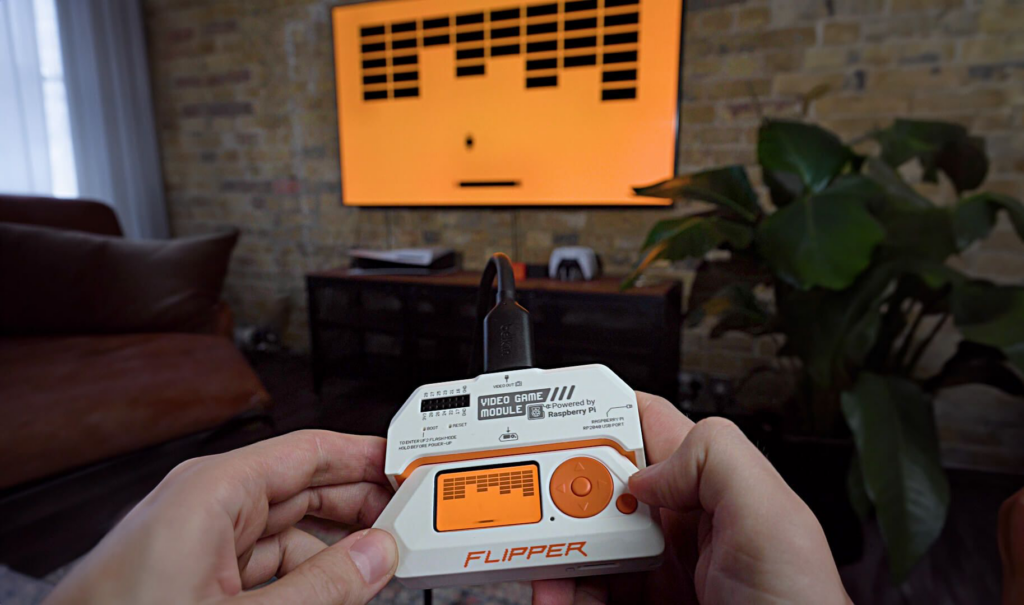
Raspberry Pi single board computers were listed. Flipper Zero hacking tools were listed. Other usual suspects like weapons and explosives were also on the list. The key difference is that the Raspberry Pi and the Flipper Zero were named rather than described in a broader category. That detail made the ban stand out.
Why the Worry
Event security teams worry about small electronics that can run custom software. A tiny computer can run scanning tools. A small device can act as a hidden wireless bridge. Security officials may fear clandestine network scans on a crowded day. Organizers also note risks around credential cloning or radio interference near critical infrastructure. Those are real concerns at a densely attended public event.
What Critics Say
Some experts found the ban inconsistent. Smartphones and laptops were allowed while single board computers were singled out. Technologists point out that a modern phone can do everything a Raspberry Pi does and more. Commentators suggested that the singled out items might be an easy target for a checklist driven by a non technical reviewer. Adafruit’s community voices raised that point and called for clearer policy language.
Where That List May Have Come From
Large event security lists come from a mix of sources. They can be compiled by city agencies, contracted security firms, and venue operators. The methods can include prior incident data, vendor guidance, and rapid threat assessments. Quick additions to lists sometimes reflect recent media stories or warnings from partners. When a new device becomes a headline item, it can show up on a ban list fast.
The Practical Effect for Attendees
People who own these devices and planned to bring them for demos or hobby work had to find another plan. Makers who work with small boards will have to leave devices at home or in locked bags outside secure perimeters. That outcome affects photographers, students, and small business owners who rely on compact hardware for legitimate tasks.
The Broader Debate
This policy touches a bigger issue about how society treats small computing devices. Hobbyist single board computers are widely used in education, science, and art. When event policies single out popular maker hardware there is a risk of chilling legitimate use. At the same time event planners must weigh actual security threats and not ignore risks.
Where Things Stand Now
Organizers have not publicly published a full technical justification for why those two devices were named. Tech writers and makers called for more transparency. Some suggested better signage and a short public statement on the precise risk vectors. That approach would reduce confusion and show that the ban is targeted rather than arbitrary.