
GOG has a new owner. The platform that made a name selling games without digital locks is now owned by one of its founders. Michał Kiciński bought all of GOG from CD PROJEKT. The companies said the store will keep operating on the same values and stay DRM-free.
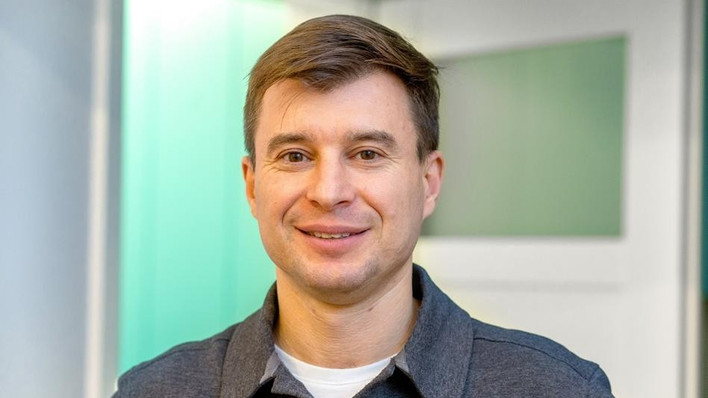
New Ownership Details
Michal Kicinski funded the acquisition and currently owns 100 percent of GOG. CD PROjekt has signed a distribution contract with the company, which means that games produced by CD PROjekt RED will continue to be on GOG. According to the founders and the GOG team, the platform would be independent and aimed at ensuring that a game can be played over an extended period of time.
GOG staff and leaders publicly stated that core policies will not change. The store will remain DRM-free and will continue the preservation work that has set it apart. The new owner said he plans to double down on bringing back classic games and on making sure they run on modern machines.
What Changes Now
Operational control moves to Kicinski. That gives GOG room to pursue its own roadmap. The change also aims to remove a possible conflict of interest. As a standalone company, GOG may feel easier for some developers to trust when they choose where to sell their games. Industry observers note that an independent GOG could attract titles that would otherwise avoid a storefront tied to a major publisher.
CD PROJEKT said the sale is a strategic shift. The studio will keep a close working relationship with GOG. The distribution deal means big games from CD PROJEKT RED will still appear on GOG. The two teams will cooperate while operating as separate firms.
What’s Next
GOG is known for selling games without embedded locks. For many players, that promise means owning a real copy that works even if the store changes over time. The buyer says he will keep that promise. Players who value classic titles and long-term access are the most likely to welcome this change. Developers and publishers who weigh where to sell their titles may look at GOG again. The platform’s independence could make negotiations simpler for studios that worry about fairness when a distribution platform is part of a bigger publisher. News coverage and the official statements point to a smooth handover so far.