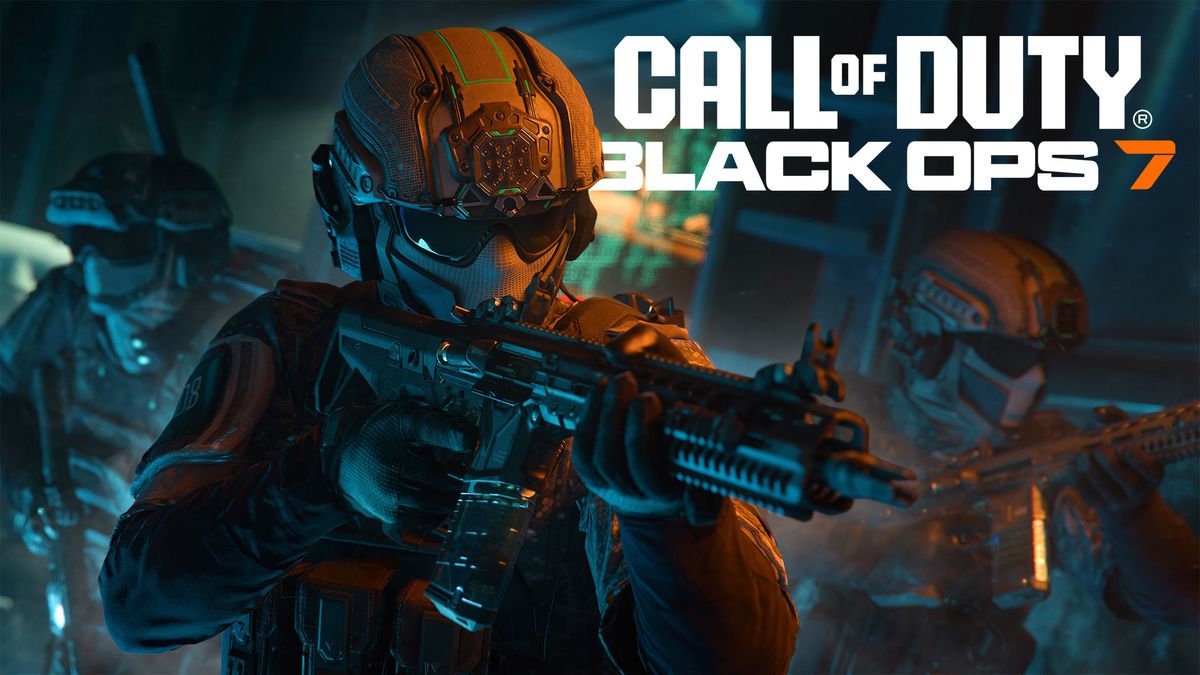

Call of Duty Black Ops 7 has drawn heavy criticism for using AI-generated artwork inside the game. Players report that many calling cards and some icons look like they were made by generative image tools. The complaints gained steam on social forums and social media soon after the game launched.
The issue is now more than a social reaction. The game store listing shows a disclosure that the developer used generative AI tools in creating some assets. That disclosure followed platform rules that require publishers to say when they use AI. Players say that a paid game should pay human artists for original work.
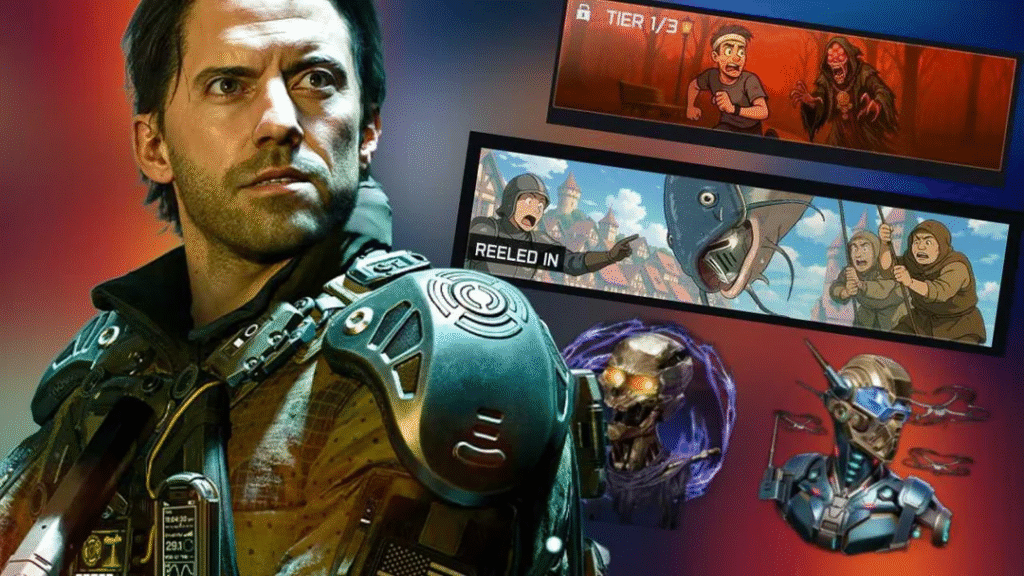
Many players point to examples that feel low quality. Some calling cards portray odd anatomy or blurred details that fans call AI artifacts. These images sit among premium rewards and prestige items that players expect to be handcrafted. Fans say the result makes the game feel cheap when they paid full price. Discussion threads include screenshots and side-by-side images shared by players.
Activision has applied generative tools in the past in some of its assets and marketing steps. The scale of the problem increased once the Steam disclosure opened the eyes to the practice. Critics argue that the disclosure shows that the company used AI in ways that mattered to the final game. Supporters of the disclosure point out that the label gives players clear information.
Why Players Are Angry
Players who make or buy art in games see two problems. The first problem is value. Fans pay full price and expect original work from human creators. The second problem is rights and credit. Players and some creators worry that generative tools can copy styles or content without permission. That can harm artists who work on game art for a living. Many voices in the community say that these two issues make this a matter of fairness as much as a matter of taste.
Past incidents have already set the tone for this debate. Earlier items in the franchise and in other major releases sparked complaints when AI-generated imagery slipped into paid content. Those past examples made some players more alert to similar signs in new releases. The current controversy is the latest chapter in a wider debate about how studios should use generative tools.
What players want now is clear. They ask for more transparency and for clear rules about which assets were made by humans and which were created using AI as a tool. Some ask that key rewards remain human-made. Others want the company to share how it used AI and to commit to fair practices.
Activision and developer teams have not yet offered a full public reply that satisfies fans. The Steam disclosure is official, and it confirms some use of tools. Reporters and industry watchers say more detailed company statements would help calm the debate. Some experts say clear labelling and firm guidelines will reduce confusion and protect creative work going forward.
What This Means For The Industry
The Black Ops 7 controversy is part of a larger trend. Big games now mix human art and tool-assisted work more often than before. Platforms ask publishers to disclose AI usage. Players now expect clarity on how content is made. That shift will affect both how studios hire artists and how they handle public trust. The debate may push publishers to adopt clearer policies and to explain when AI was used for rough concept work and when human artists finished the piece.
There are some industry voices that propose some realistic steps. Studio will be able to indicate its origin to the players. They are able to pay the artists final work. They are also able to establish the conditions of when and how generative tools are permitted. Training data and credits could also be covered by the rules. Fans demand a quick and concise response at this point. Then they will be waiting for what the publisher will say next.