
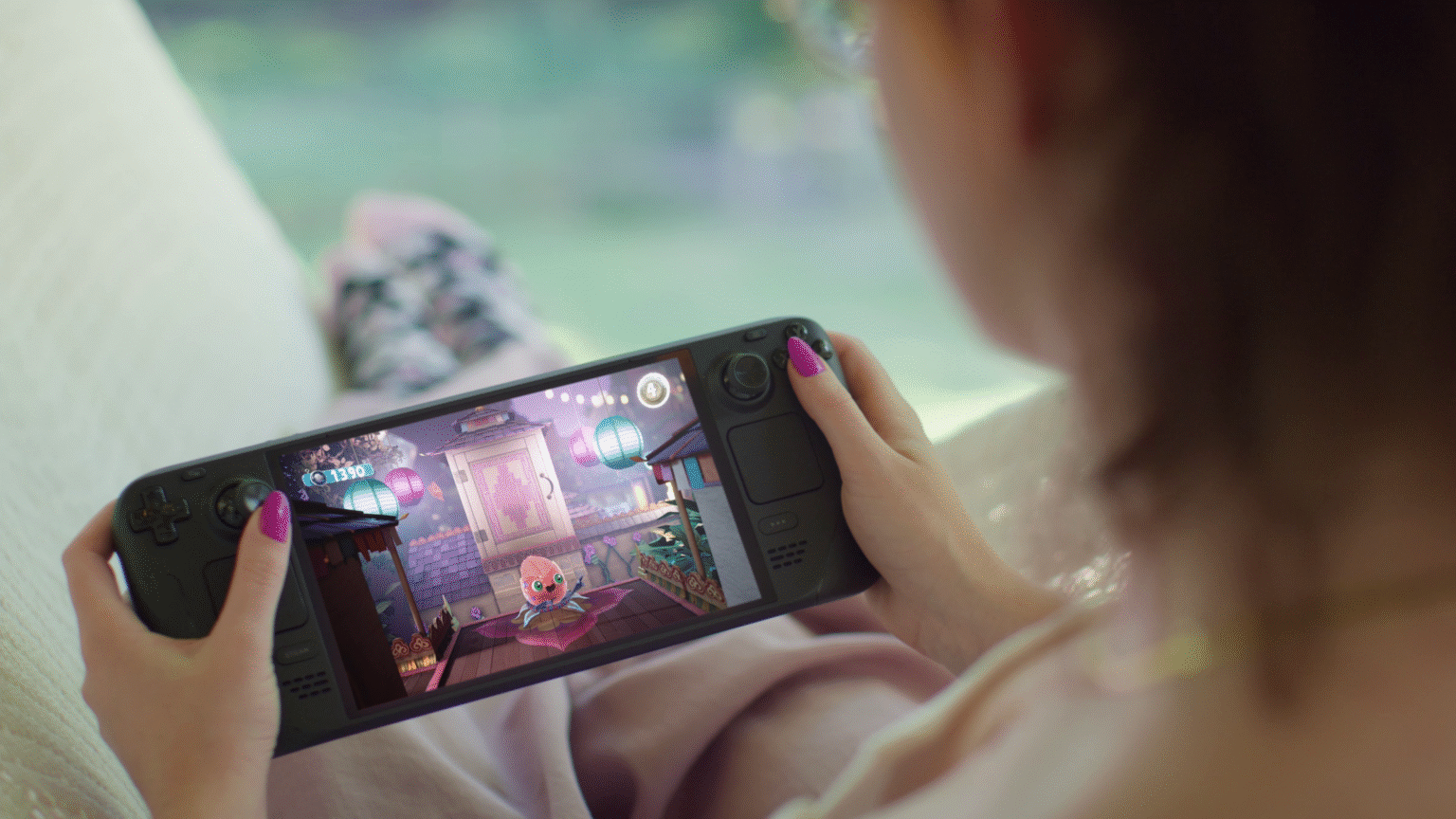

Valve has affirmed that it is not set to release an actual sequel to Steam Deck. The company indicates that it desires a huge increase in performance and battery life before it releases a new handheld. Valve is waiting for the right chip. The search for that chip is the main reason the Steam Deck 2 is on hold.
Why Valve Waits
Valve has said that a sequel must feel like a clear next generation. The company will not settle for a small upgrade. Valve wants something more than modest gains in speed or modest battery improvements. The team wants a step change in both compute and energy efficiency. That is why Valve has delayed public plans for a Deck successor.

Valve engineers have been testing many options. They looked at better x86 parts. They also watched developments in Arm processors. Valve recently announced other new hardware. Those products use different chips and aim at different experiences. Valve says the learnings from those projects will inform any handheld that comes next. Valve will only move when the chip landscape offers a clear win for gamers.
Valve also wants to avoid repeating past problems. The original Deck faced tight supply and a hard launch window. Valve aims to avoid a similar scenario for a new handheld. The company will not rush simply to meet a calendar. Valve will wait until it can offer a device that improves the battery life and play time in meaningful ways.
What Comes Next
Valve has hinted at possible directions. One path is higher performance from x86 system-on-chips while holding battery life steady. The other path is strong Arm chips that close the gap on raw performance while being far more efficient. Both approaches need better silicon than what is widely available today.
Qualcomm and other chip makers have been improving mobile Arm designs. That progress matters for handheld gaming. Valve will monitor those improvements. The company will also watch desktop-oriented chips that may be adapted to handheld use. Valve wants a chip that delivers the power needed for modern PC games without forcing a huge increase in heat or a big hit to battery life.

Besides the chip, Valve is researching inputs and components that enhance the player experience. Other products that Valve has recently launched include new joysticks with alternative sensor technology. Such improvements will be thought of by the company in an eventual Deck. Valve will also experiment with the real-world performance of the new processors on battery and thermal headroom.
Valve will not establish a release date, at least not yet. The company is stating that they will only develop the next Deck when there is a manifestation of an advantage in hardware. Such a strategy implies that a follow-up will follow as long as it can transform the experience of players. Valve has no desire to take a small step. The company desires a jump that is clearly visible and warrants a new name and a new purchase among the gamers.