
Grammarly announced a major change to its corporate identity and its product lineup. The company will now operate under the Superhuman name. At the same time, it introduced Superhuman Go. The new assistant is built into the existing browser extension and is designed to help with writing and workflow tasks.
New users and longtime customers will still see the Grammarly product that they know. The name of the parent company will change. The goal is to tie together recent acquisitions and to push a broader productivity strategy. The move aims to bring email and document tools closer to the core writing features.
New company name
The company said that the Superhuman brand will sit above multiple products. The plan is to bring Coda and Superhuman Mail into the same group over time. The consumer-facing Grammarly experience will keep its brand for now. The company made the change after adding new tools and buying other teams earlier this year.
Executives view the rebrand as a way to present a unified platform. The new identity is meant to reflect a focus on faster workflows and tighter app integrations. The change will be gradual, and product names will adapt over the months.
Superhuman Go assistant
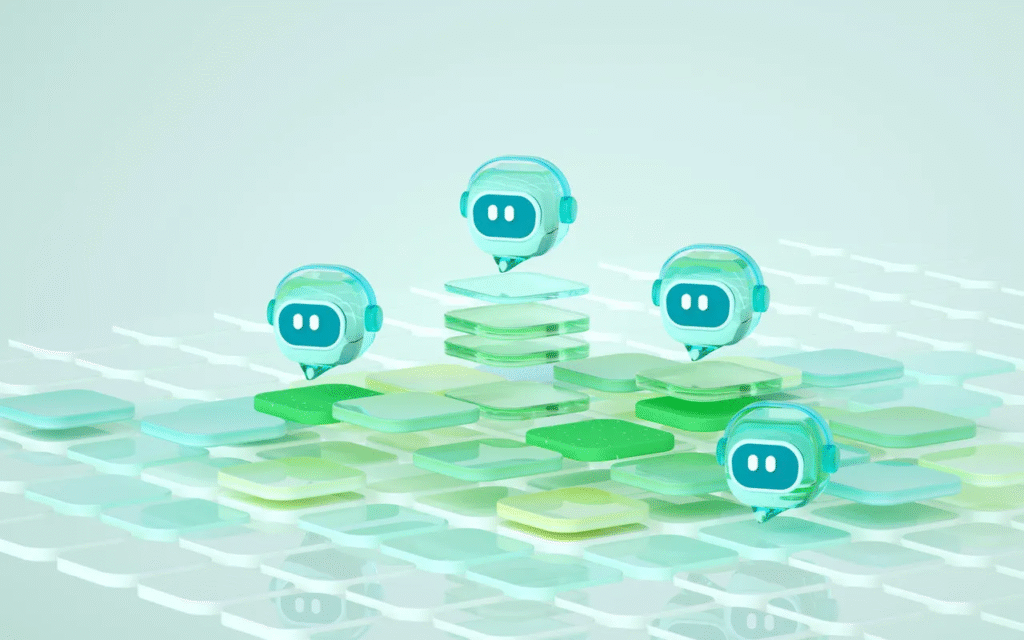
Superhuman Go is an AI assistant that runs inside the browser extension. The assistant can give writing suggestions and tone feedback. Users can turn it on from a toggle in the extension and link it to third-party accounts for context. The assistant can pull meeting times or surface related project details to make drafts more precise.
The company also launched an agent store. The store offers preset agents for tasks such as proofreading and plagiarism checks. Teams can pick agents that match their workflows and add connections to apps like Calendar and cloud storage. The idea is to let the assistant act with context and to reduce the time users spend switching apps.

What this means for users
The assistant is optional. People who prefer classic grammar checks will still have that experience. Customers who want more automation can enable agents and add integrations. The company also described plans to let the assistant fetch data from internal systems in enterprise settings. That capability is aimed at teams that need tailored content from their own databases.