
Google has ended Jules’s public preview and set new limits based on actual usage patterns. The free “introductory access” plan allows fifteen coding tasks per day and three concurrent tasks. Professional developers may choose Google AI Pro at nineteen ninety-nine a month for five times more capacity. Organizations with heavier needs can opt for the Ultra tier at one hundred twenty-four ninety-nine per month to multiply Jules’s daily task limits by twenty. These tiers reflect data collected during the beta phase when thousands of developers ran tens of thousands of tasks and delivered over one hundred forty thousand code improvements publicly.
How Jules Works in Your Cloud Environment
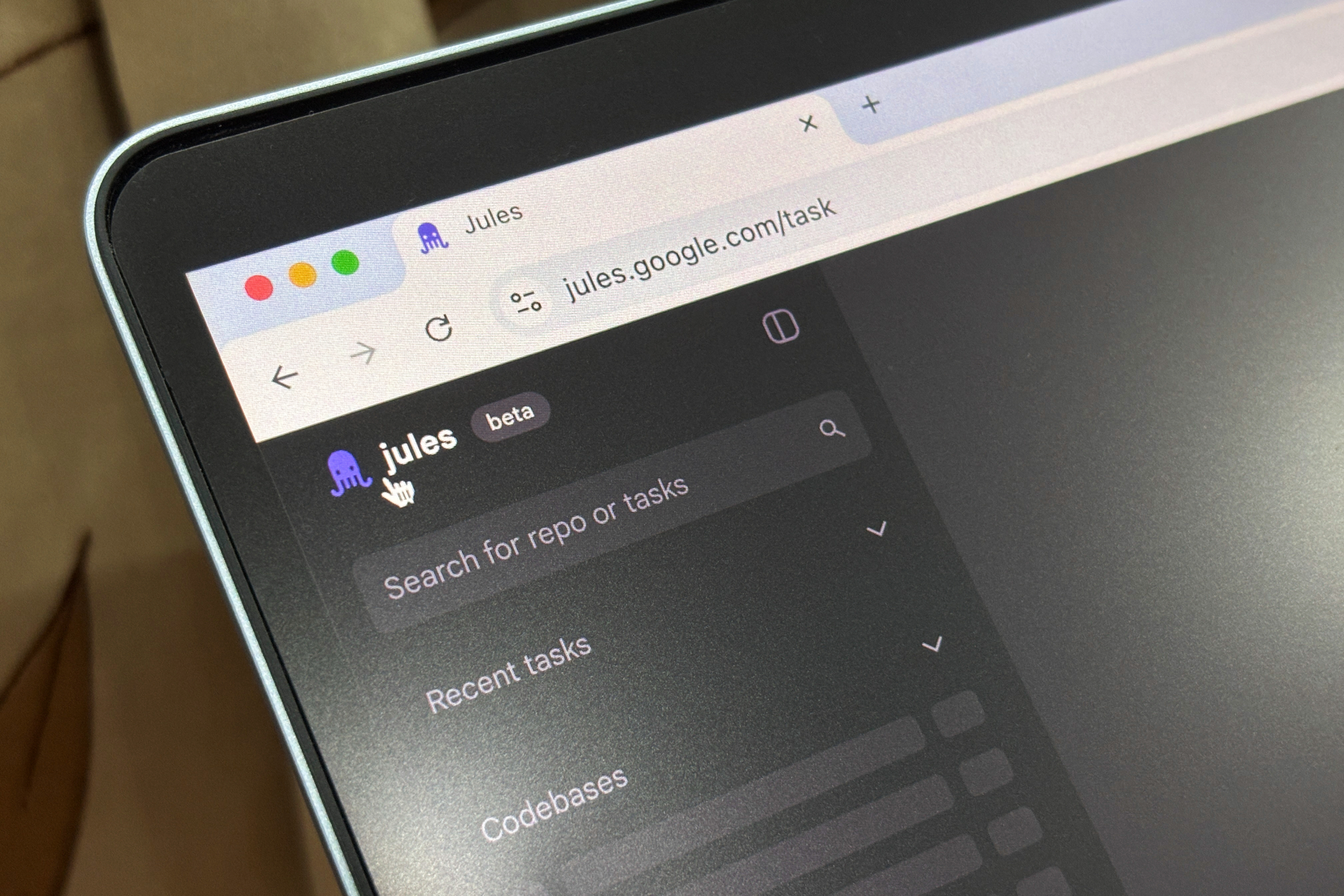
Jules integrates with GitHub to clone a repository into a Google Cloud virtual machine. Once the code is in place, developers simply assign tasks (such as fixing broken tests, adding features, or refactoring modules) and then let Jules run asynchronously. As programmers proceed to do other things, Jules will perform every task, push the changes to a new branch, and automatically create the pull requests. The Environment Snapshots feature of Jules saves project dependencies, including workstation configuration and install scripts, to a local snapshot, and therefore every subsequent run will start at the same baseline, decreasing setup time and guaranteeing consistency between tasks.
Privacy and Safety by Design
Google added training practices to the privacy policy of Jules updates. User-contributed data in public repositories can be used to train the models, whereas any code in closed repositories does not leave the ownership of its owners. Jules’s responses always include a “chain of thought” to help developers follow their reasoning and catch any unexpected behavior. Google’s Labs team partnered with external safety experts to test Jules for risks related to cybersecurity, harmful code patterns, and compliance with licensing requirements.
Mobile Access and New Integrations
Almost half of Jules’s beta users accessed the tool from mobile browsers. Google is exploring a dedicated mobile interface to let developers check task status, review pull requests, or launch quick fixes while away from their desktops. Jules now links directly to GitHub issues so that tickets may drive its task queue, and developers can reuse previous environment setups to speed up subsequent runs. These improvements reflect feedback collected during the tool’s public preview at Google I/O and through ongoing Google Labs research.
A New Hand on Every Project
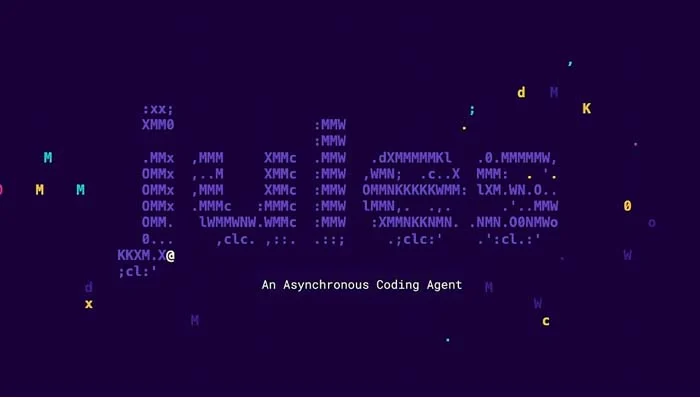
Jules addresses a gap in the AI coding market by operating like an extra team member who executes tasks independently of a live session. This is unlike synchronous coding assistants, where the user is expected to observe progression and take action on by step-by-step basis. Jules may be applied to repairing broken builds during the hours of sleep or to other purposes, such as prototyping new features when developers are away, leaving human engineers free to concentrate on high-value design and architecture.
What’s Next
Since its debut as a Google Labs project in December, Jules has demonstrated the promise of AI-driven development at scale. Google now uses Jules internally on multiple codebases and plans a broader rollout across its engineering teams. As AI coding tools mature, Jules’s stability and integration depth position it as a long-term partner for both enthusiasts and enterprise programmers alike.