

Welcome to the age of botlash. The memes have evolved to be in the form of marches. Data centers are currently being sued by ordinary people. They are holding the big tech to account. This is not just a fad movement; this is a political weather system re-forming the landscape.
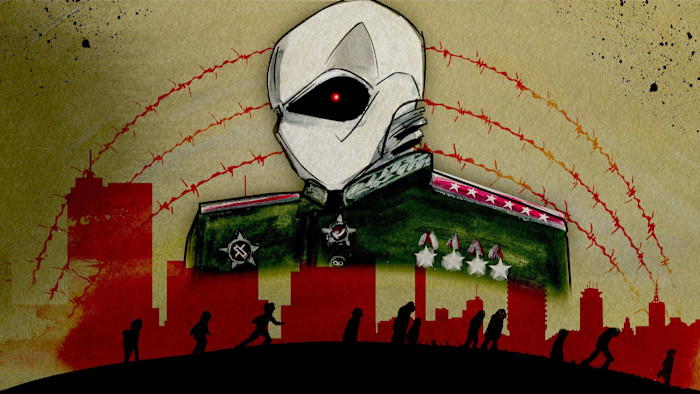
Local Fights Look Petty Until They Stop a Megaproject
Neighbors who once grumbled online are now showing up in town halls. They organize petitions. They block permits. They slow down giant server farms until the balance sheets wobble. Local fights feel small. They cause large damage to timing and to budgets. This tactic has already halted new proposals in several places.
These campaigns are not just about noise. They drain time from technical teams. They create headlines for investors to worry about. They make CEOs move their calendars from product launches to damage control. That matters because time is how tech wins. Take time away, and the runway shrinks.
Lawsuit Armies, Hashtag Strikes, and Civil Anger
People are suing in hordes. They are filing class claims about data use, harms to children, and environmental damage. They are teaming with state attorneys general. The legal front looks messy for regulators. It also looks devastating for the firms that were used to stealth and scale.
A new habit is to hit the wallet. Users unsubscribe. Campaigns urge people to quit platforms. That is called Resist and Unsubscribe. It looks quaint online until it bends a stock chart. When activists and politicians from the left and the right agree that a tech firm is out of control, then the firm loses a safe harbor. Dario Amodei and other thinkers have warned about the concentration of power in tech. The worry that a few companies will act like states is now a rallying cry.
Tech executives bet on scale and on political goodwill. That bet is failing in towns and courts. Protesters used to be niche. Now they are fast to mobilize and slow to forgive. They want laws. They want audits. They want real limits on data grabs and secret deals. Expect more lawsuits. Expect more local ordinances. Expect more headlines.
This is the political logic of friction. The product was built to be frictionless. The people are building friction as a protest tool. The result is elegant in its cruelty. Firms that once moved at internet speed now move at legal speed.

Botlash Is Built From Small Acts With Big Consequences
Big tech will try to litigate its way out of this problem. It will lobby. It will buy PR. It will promise audits and task forces. Those moves looked safe when regulators were few and votes were remote. They look less safe now that courts and communities can stop a plan before it is scaled.
The botlash is not a single thing. It is a multiplicity of small gestures that accumulate. Town hall fights. Lawsuits. Viral hashtags. Investor nerves. A combination of such acts would divert product schedules and budgets. And that is how a corporation gets peeled of political power.
Court dockets, and not product blogs, are the places to go if you want to read more about the ground fights and the politics they are making. The second wave of regulation does not necessarily have to be introduced by a president. It can be instituted by a county clerk and a judge who pronounce a stop.