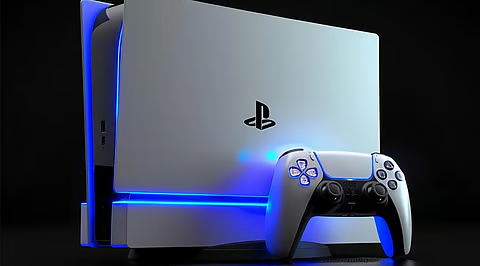

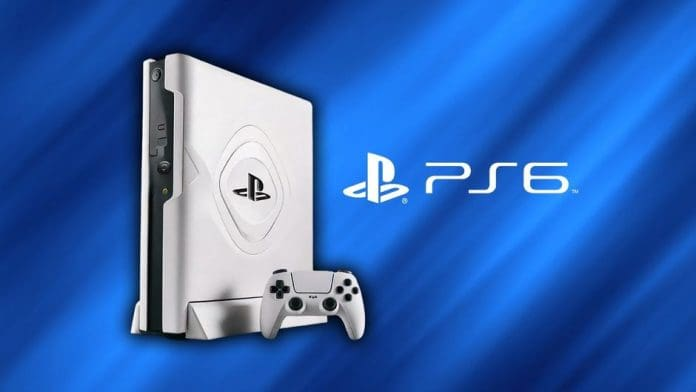
Sony Group Corp is reportedly weighing a major change to its console plan. The company is considering delaying the PlayStation 6 launch to 2028 or 2029. The move would break the usual generation cadence and follow growing worry about memory supply and price.
Delay and Causes
Big memory buyers are shifting the market. NVIDIA and other hyperscalers need huge amounts of high-bandwidth memory. That demand is pulling manufacturing capacity toward data center parts and away from consumer chips. A top memory maker has begun shipping next-generation HBM4 chips to meet AI demand, and the market is tight.
Memory price moves are changing company budgets. An analyst report reveals that much of the new increase in cloud and infrastructure expenditure is due to the increase in memory cost and not an increase in the number of servers. That tendency can narrow margins on consoles and phones and make companies reconsider the time and price of the launch.
Market and Costs
New factories will help, but not right away. Major memory makers are building new fabs and expanding HBM capacity. The new plants will require years to scale to full scale. Many chips will not see meaningful relief until 2028, according to industry observers, and that will create a multi-year supply crunch in the industry.
That timing matters for hardware that needs a steady supply of RAM and HBM. Producers of game consoles and handhelds buy large volumes at fixed price targets. When memory costs jump rapidly, the choices are to eat the cost, reduce production, or raise retail prices. The report says one rival console maker is already preparing to consider higher launch prices for its next model because of those pressures.
Company Responses and Risks
Executives at the companies involved have said they are watching the market closely. One hardware maker told investors it has secured enough memory for the current sales period and that it plans to keep negotiating with suppliers. The company also said it can adjust its hardware strategy in ways that lessen short-term cost pressure while it focuses on software and services revenue.
Another console maker has said it will monitor supply and pricing over the year and that any decision about hardware price changes will weigh sales trends and installed base. The company noted that selling hardware at a loss is not a strategy it seeks, but that it will act flexibly if market conditions force a change. That stance highlights how memory price volatility now affects long-term product planning.
Longer Life for Existing Platforms
A delayed next-generation console means longer life for the current platform. That can be good for some players because more content and optimization will target the existing system. It can be hard for others who expect faster hardware upgrades. For buyers who plan to buy a new console in the next two years, it is wise to track official announcements and to watch component price trends.