

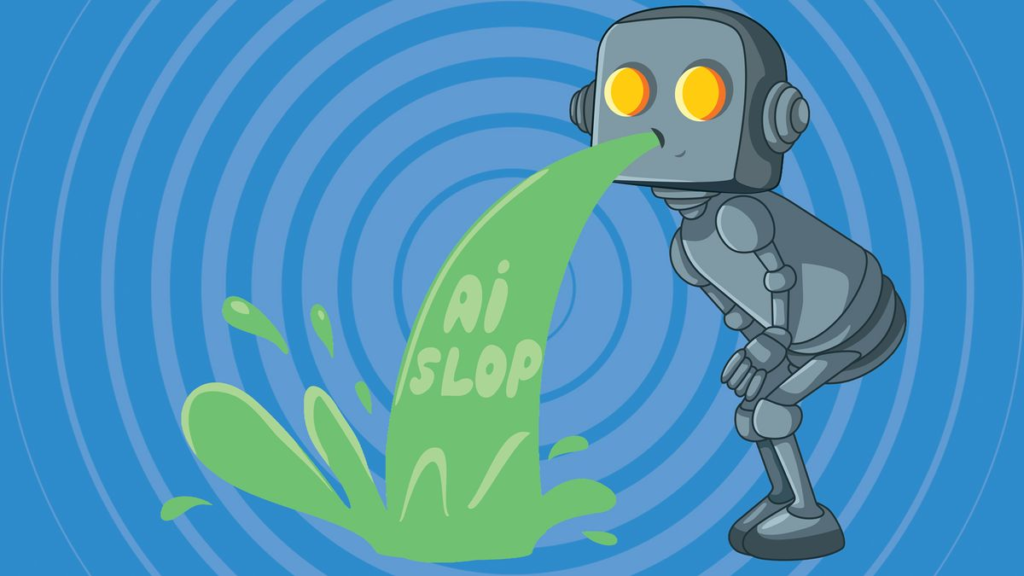
The internet just puked. It looks tidy and polished at first. Then the nonsense peels off. That is AI slop. It is slick junk made by machines without care. It pretends to inform. It only farms clicks.
Companies and creators use generative tools to make content at scale. That solves a problem. It also births a new problem. Cheap videos and fake articles flood search results and feeds. They drown good work. They waste user time. They steer attention away from real reporting and real craft.
This is not a joke. Platforms are serving piles of this stuff to real people. Studies and reporting show the volume is big. Some projects found huge chunks of popular channels and viral videos are built on mass produced AI work. The result is an algorithm that loves output and not quality.
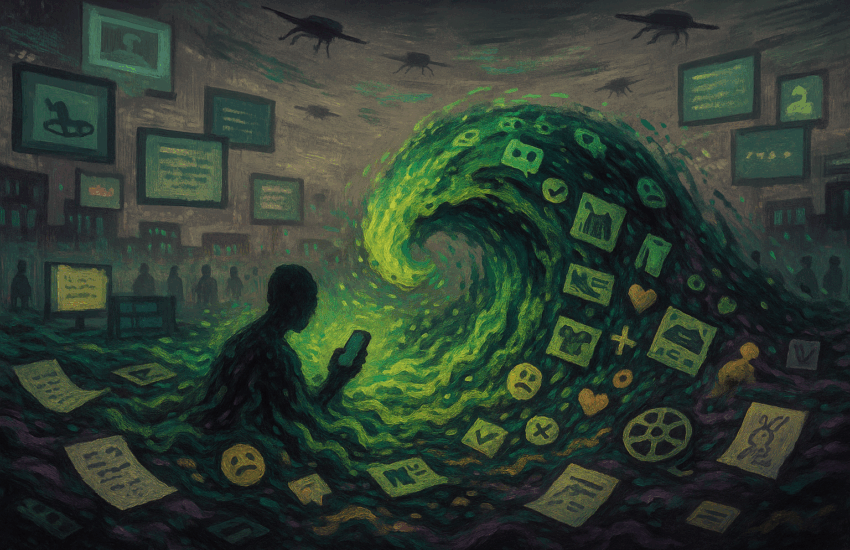
AI slop looks finished. It has voiceover and slick thumbnails. It has images and charts. It even claims sources. Yet when a person inspects the content it is empty. There is no true reporting. There is no original research. There is no honest craft. It reads like a machine trying to sound like a human who read a list of headlines.
Why does slop win? Because speed and low cost beat patience on platform math. Cheap content can be created in bulk. It feeds the ad ecosystem. It confuses recommendation systems that prize engagement signals. That loop has led to entire channels that publish dozens of nearly the same clip every day. Those channels pull billions of views. Real journalism gets fewer clicks.
How Slop Breaks Things and How People Can Fight Back
AI slop hurts creators, consumers, and platforms. It erodes trust. It makes search results less useful. It makes moderation harder. It makes brand owners pay for fake reach. It makes readers suspicious. That is a heavy cost.
So what should readers do now? First, slow down. If a video or article seems bland and all surface, move on. The work will not be missed. Second, reward people who do the hard work. Share original reporting and independent creators. Third, demand transparency. Platforms must label mass produced content and lower its ranking if it adds no value. Fourth, insist on human verification in high risk areas like health law and news.
For publishers and brands there are steps too. Use AI with strict rules and human checks. Value quality over volume. Train editors to spot slop patterns. Invest in unique reporting and original visuals. That cost will protect the brand. It will win trust.
Platforms must also change the economics. Recommendation systems must value depth and evidence. Ad markets must favor real engagement. These changes will be painful for some players. They will be necessary for the health of the web.
The New Rules for a Slop Free Feed
Think like a reader. Ask who benefited from this content. Check whether sources exist beyond a single shallow paragraph. Watch for obvious signals. Excessive clickbait titles, stock narration, or identical thumbnails across dozens of uploads are common slop signs. Real creators will thank you when you make them visible again.
The slop wave is not a conspiracy. It is the product of tools built for scale and incentives built for clicks. The cure is not tech alone. The cure is a mix of human taste policy and smarter ranking. It is also about readers who care enough to click the proper work.
The internet always reinvents itself. This time the reinvention looks ugly. That does not mean the web is lost. It only means the next chapter will be written by people who value truth and craft. If those people do not step up the slop will keep eating the web until even the cat videos taste like cardboard.