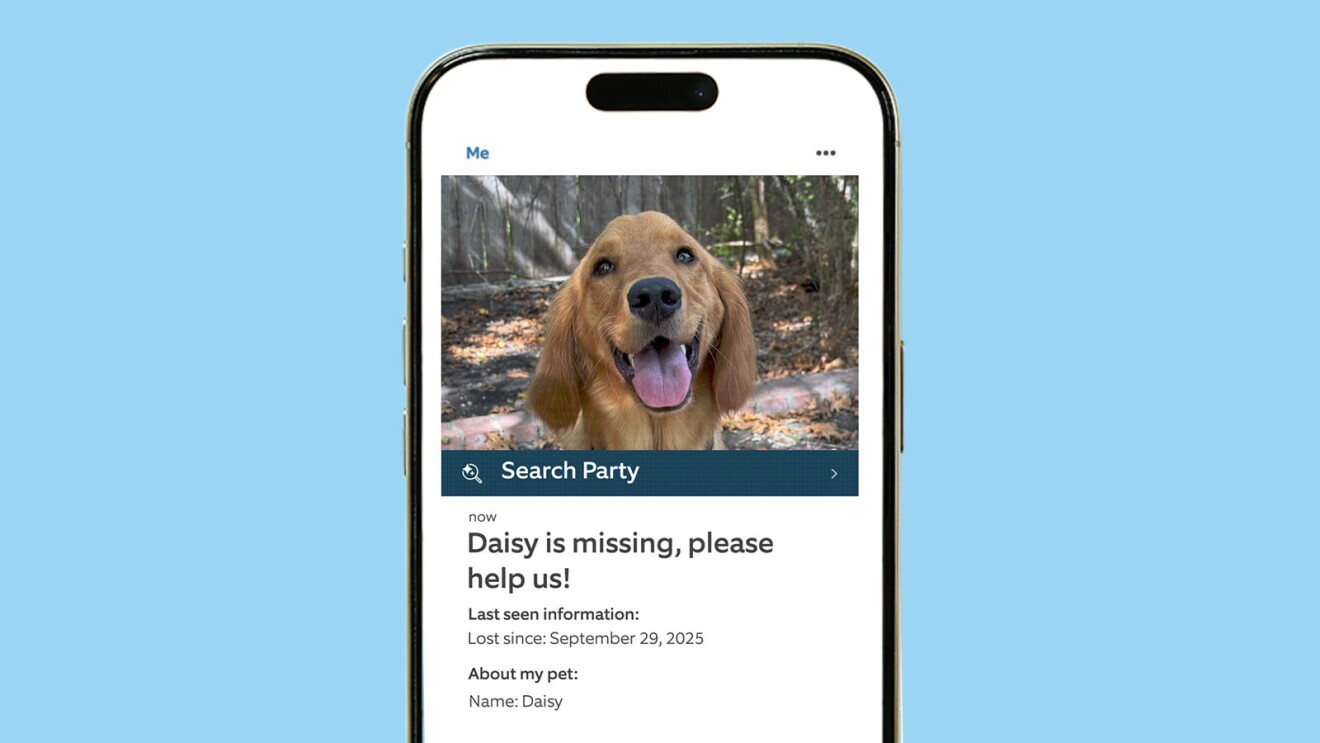

Amazon is pitching a neat trick. It will help you find your lost dog. The tool is called Search Party. It scans outdoor cameras in the area. The system uses AI vision to spot animals that look like your pet. When a possible match appears, a camera owner gets an alert. The camera owner can then share a clip with the person who reported the dog. That is the friendly front. The other front is bigger and darker.
Ring is no longer just a doorbell company. The brand is building a city wide net of cameras. The net now works for people who do not own Ring hardware. That expands the reach fast. Ring says it will give one million dollars to help shelters get Ring systems. The company says the program will speed reunions. That is a useful claim. The same program also widens Amazon s neighborhood footprint. The company now has more reasons to map how people and pets move in streets and yards. That matters.
The product pages and press messaging paint helpful scenes. Headlines and spokespeople talk about fast reunions and shelter partners. The reality includes optional sharing and human choices. That is true. The camera owner keeps control of when to share. That is fair. The tricky part is how the system scales and how data flows. When thousands of cameras join a search, that creates a large searchable matrix of movement across neighborhoods. The more cameras that watch, the more the platform can see.
How the Search Party Tech Really Works and Why it Matters
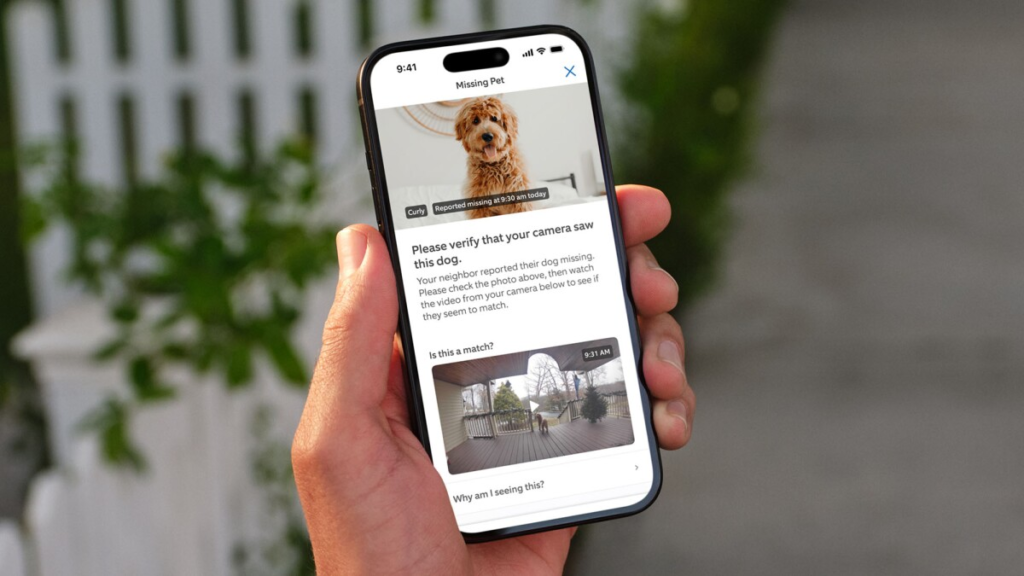
When someone reports a missing dog in the Ring app, the system issues a local search. Participating outdoor cameras in the area run an AI scan on incoming frames. The models look for visual traits that match the report. That match can be color shape size and pattern. When the model finds a probable match the platform notifies the camera owner. The owner can then watch a short clip and decide whether to send it back to the owner who filed the report.
Ring says this search feature is optional for camera owners. That is important to repeat. The company also says the system will respect privacy and that sharing is controlled case by case. Ring also claims to work with shelters and to donate hardware. Those details come from official Ring statements and from reporting by tech outlets. The feature is now available nationwide. That is new.
All of that sounds good on a lost dog flier. It sounds quieter when one thinks about who else can see the world through that lens. Ring already runs a neighborhood feed that many people use to flag suspicious activity. That feed can now include alerts tied to an AI search. That creates a new choke point where a private camera can be asked to produce clips for a stranger s query. The system depends on local density of cameras. In dense areas one search could touch dozens or hundreds of cameras. That is power.
Companies that run these camera networks learn patterns. They learn when people walk dogs. They learn which streets host deliveries. They log the time of day when kids leave school and when workers commute. If those logs and footage are aggregated and stored in ways that make them easy to mine, then a new data asset emerges. Amazon already mines many data streams. Adding pet searches to a camera corpus is not silly. It is a strategic expansion.
The Trade Off Between Puppies and Privacy
Ring frames the expansion as neighborly help for frantic owners. That narrative is credible and humane. Pets go missing. Reunions matter. The company is funding shelters and it is offering tools people want. Those facts are all in the press material.
The counter argument is simple too. Every convenience comes with a cost. In this case the cost is the growth of a camera net that sees far more than lost dogs. Optional sharing is not the same as total protection. Camera owners might not understand how often a platform can ask for data. They might not understand metadata retention or how machine learning models are trained on these clips. They may say yes in the heat of a moment and then find their footage reused in ways they did not expect.
There is also the risk that AI misidentifies people or animals. False positives create awkward knock on effects. Imagine a clip flagged as a potential match that includes a person s face or a license plate. The owner who receives that clip may decide to share it beyond the search. That cascades. The platform must design safe guards and clear privacy limits. Ring s promises are a start but they are not ironclad. Users should know how long clips live and what the platform can learn from them.

What to Ask Before You Opt In
These are the key questions in case you are interested in this technology. The duration of retention of clips in a search by Ring. Who is allowed to request footage and the way footage requests are audited. Is it possible to permanently withdraw a camera owner of Search Party? Are there templates of pets or of streets stored in the AI model? Who has access to that template information and is it exportable. These questions will determine whether this feature will be a helpful tool or an additional level of surveillance.
The song by Ring is easily perceived as the heartfelt reunions. It compels a mere decision as well. Do you wish assistance locating a pet provided that a corporate network can see your block better because of the assistance? Many people will say yes. Tighter guard rails will be demanded by many other people.
Ring prefers to be a local platform. That is a powerful position. It is capable of doing much good and it is capable of gathering much information. It is able to finance shelters and it is able to expand its map of public life. The trade off everybody in the neighborhood will now consider.