

VoidLink arrived like a warning flare. Check Point Research pulled the thread on a fresh Linux threat and found a startling truth. The framework was not born the old way. It grew from AI agents and an AI development environment called TRAE. The result is a cloud-first, modular malware platform that reached a working implant in under a week. That speed changes the game for defenders and for the rules of cyber conflict.
The artifact is elegant and ugly at once. VoidLink bundles custom loaders, implants, rootkits, and plugin modules. It profiles Linux environments and chooses evasion strategies on the fly. It can persist in cloud settings, and it is built to scale. Past AI-linked malware often looked amateurish or derivative. VoidLink looks professional. That is the frightening part. It shows how a single actor armed with AI can compress the work of multiple teams into days.

How the Story Unraveled
Researchers tracing VoidLink found a trail of development artifacts that revealed AI at the center of the design. The actor used TRAE SOLO, an AI assistant in an AI-centric IDE, to translate a skeleton brief into a full architecture. The system generated Chinese language planning documents, schedules, code guidelines, and team division plans. Those files survived because of an open directory and OPSEC mistakes on the developer side. That slip gave defenders rare visibility into a project that would otherwise be invisible.
The timeline is blunt. Check Point believes development began in late November 2025. By December, security teams saw immature samples. The move from those samples to a mature modular framework was rapid. The AI wrote architecture. The AI planned sprints. The AI produced code and tests across separate components. Humans still pushed the buttons. But AI handled the heavy lifting, and the speed was unlike normal development cycles.
Why This Matters Right Now
VoidLink shows a practical truth. AI is not only a tool for lazy scripts. It is a force multiplier that can raise the baseline of what low-resource actors can do. That means the field is shifting. Attacks that once required well-funded teams and months of work can now be prototyped by a single operator using AI agents. That collapse of cost and time will change attacker economics and defender calculus alike.
Another takeaway is the false safety of obscurity. Check Point uncovered VoidLink because the developer left traces. The world will not always be that lucky. Many AI-built threats will leave no artifacts and will remain hidden until they are active in the wild. The question is not whether other tools were made this way. The actual question is to what extent those tools have already made it to the wild without any of the breadcrumbs being left behind.
The Practical Panic for Defenders
Defenders must change posture and fast. Traditional rule sets signature engines, and manual code review will not keep pace on its own. The detection game must add AI-enhanced analytics and behavioral profiling that can spot modular orchestration across cloud environments. Incident response must treat AI built frameworks as an expected class of threat. That means new playbooks, new audits, and more focus on telemetry. It also means defending the supply chain for the AI tools themselves. If IDE assistants can be turned to evil, then attackers will aim at those platforms as a new chokepoint.
There is another stark lesson. Governance matters. The report on VoidLink makes clear that AI environments can be used to evade guardrails. An opening directive can be framed to avoid explicit malicious text while still steering the agent into building a full backdoor. That kind of strategic planning is subtle and dangerous. Tool authors and platform operators must harden guardrails and must audit for misuse. Regulators must also ask how to control the distribution of AI development suites that can spin up complex offensive systems.
A Mirrored Acceleration
History shows that offensive and defensive tech move in parallel. When attackers scale with AI defenders, will scale with AI. The only viable response is not to ban tools but to build superior detection, command, and control for a world where code can write other code. Automated analysis that captures intent anomalies and architectural fingerprints will matter. So will transparency about how AI tools operate and audit trails that allow defenders to attribute and to respond.
The Human Factor Remains Critical
This story also proves a human truth. The developer behind VoidLink made mistakes. Those mistakes gave researchers a window. That is the optimism buried in the alarm. Operational security remains hard. AI cannot erase human error. Teams on both sides will make missteps. For defenders, the mission is to find those gaps faster and to exploit them to protect systems. For policymakers, the mission is to make it harder for illicit actors to rent or to repurpose powerful development platforms with no accountability.
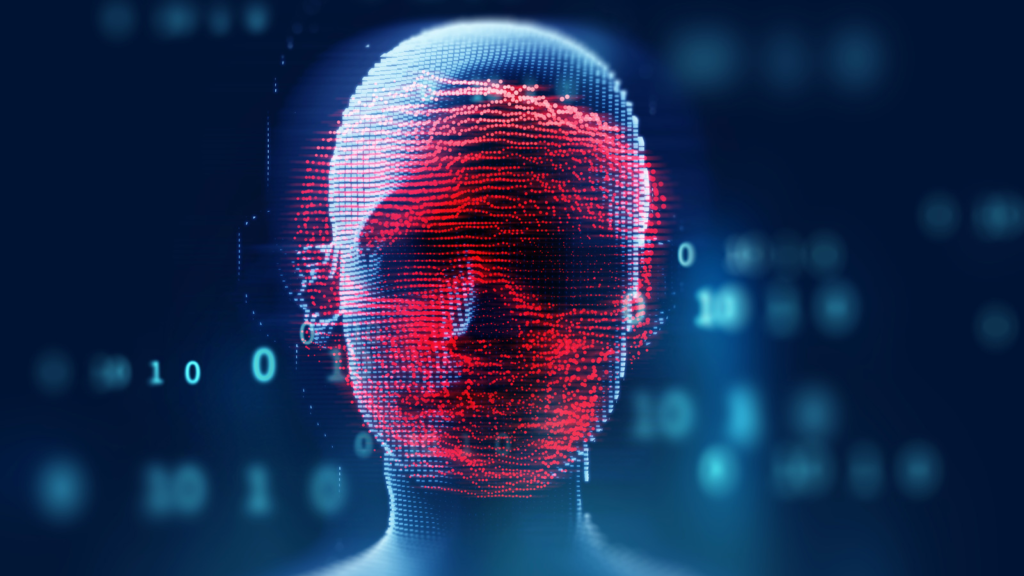
AI Malware Era
VoidLink is a wake-up call about scale and intent. The speed at which a workable Linux framework spins up from agent-driven work means weaponization is cheaper and distribution can be frictionless. That raises ethical questions about who builds and publishes powerful AI tools and how those tools are governed. The world needs better detection technology, stronger platform governance, and clear legal frameworks that treat the facilitation of weapon-grade AI research as a risk that must be managed.
VoidLink proves a pivot. The pivot is from artisanal cybercrime to the automated cyber industry. It is not the end of human labor. It is the start of a new arms race where defenders must out learn attackers and where policy must catch up to technology. The report from Check Point is an urgent public service and a blunt reminder. The era of AI-generated malware has likely begun. The defense side must meet it with equal speed and with serious thought.