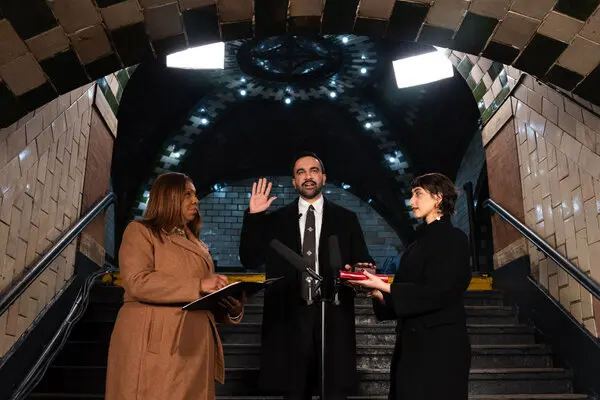

The bottles of champagne were bursting up in Bushwick apartments and Slack channels were filled with win-win emojis. Socialist mayor (who had pledged to tax the wealthy and eliminate predatory tech models) Zohran Mamdani was the winner. In New York City, there was a victory of the little man by rank and file tech workers across the city. Meanwhile, at C-suites in Hudson Yards and Silicon Valley, a new form of meeting was being planned.
The topic was not revolution, but remediation. The early narrative of a stark class war is too simple. The reality is a more cynical dance. Mamdani energizes the base with talk of upheaval while his team methodically assures the capitalist engine that real disruption will be expertly managed, for a price.
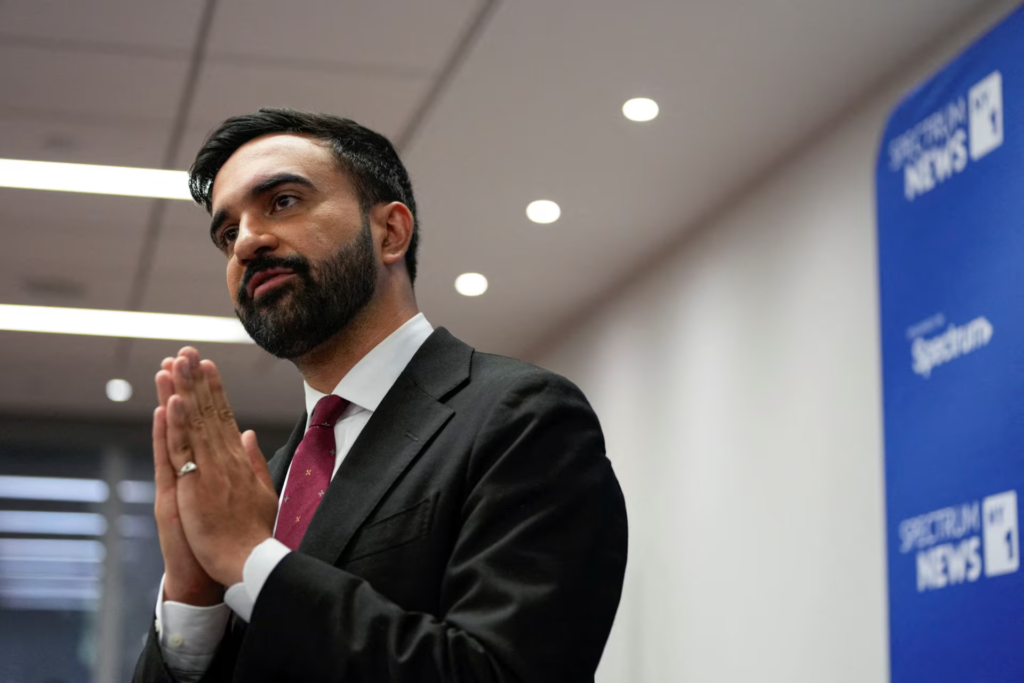
The Performance Politics of Taxation and Trust
Mamdani’s pledge is clear. He wants to raise taxes by two percent on individuals earning over one million dollars and lift the corporate tax rate to eleven point five percent, a figure that would tie for the highest in the nation. For the average software engineer, living in a city where they can afford only two point one percent of rentals, this is not a threat. It is a promise. One Big Tech policy official anonymously noted that rank and file employees donated to the campaign precisely because they are fine with the boss’s boss’s boss paying more.
This is the brilliant, unspoken contract of the new administration. The workers buy the ideology. The mayor collects their goodwill and donations. The executives, initially panicked, are learning the real rules. As reported, industry leaders understand the city cannot unilaterally raise these taxes without state approval. This procedural hurdle is the first loophole, and it has kept the tech elite’s hair from catching fire. The threat is a powerful symbol. The implementation is a tangled web of negotiation. The mayor can rail against millionaires on Twitter, a performance for his base, while his transition team discusses phased implementations, grandfather clauses, and innovation credits with the very same millionaires. The revolution is not being televised. It is being itemized in a spreadsheet.
The conversation has already started. Mamdani extended an olive branch through groups like the Partnership for New York City. These are not venues for surrender. They are trading floors. The city’s bargaining chip is the mayor’s populist momentum and his ability to mobilize public sentiment. The industry’s chip is its presence. Tech jobs now outnumber Wall Street jobs in New York City by a widening margin. The message from the suites is simple. You may tax us, but you will not tax us so much that we go. The resulting policy will likely be a masterpiece of political theater. It will have the name of a tough reformist law but the body of a document filled with exemptions, pilot programs, and sunset provisions. The workers will see the headline and cheer. The accountants will see the annex and approve.
The Regulatory Chess Game and the Illusion of Control
Beyond taxes, Mamdani’s real weapon is regulation. His vow to crack down on gig economy companies and his appointment of anti-monarchy crusader Lina Khan sent shockwaves. For the delivery driver or tasker, this signals liberation from algorithmic exploitation. For the startup founder or CEO, it signals a regulatory war. However, wars create economies. The promise of a crackdown creates a booming market for compliance consultants, legal advisors, and government relations experts. The very ecosystem that thrives on navigating regulation expands.
Khan’s role is the ultimate double edged sword. Her presence is a red flag to big tech, a signal of coming antitrust battles. Yet, her focus on national giants may allow for the careful, negotiated regulation of local darlings. A mayor can be seen as tough on Big Tech by attacking Meta while simultaneously cutting a deal with a food delivery app over localized worker classification standards. The bully pulpit can be aimed at one target to distract from the delicate bargaining with another.
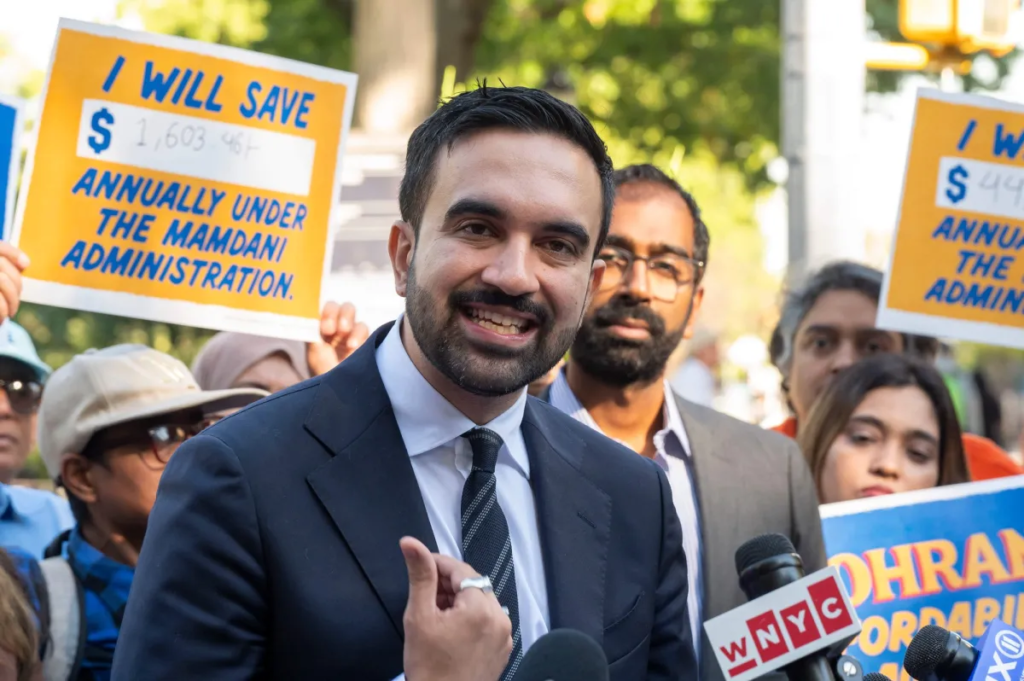
Furthermore, the mayor’s ambitious plans for free city buses and expanded public transit are pitched as a public good. They also function as a subtle check on tech innovators like autonomous vehicle companies eyeing the city. By strengthening public options, the city positions itself not as a passive regulator, but as a direct competitor. This changes the negotiation entirely. The question has ceased to be whether to permit a new technology or not but on what conditions the city will permit it to compete with its own services. The power dynamic shifts. The playing field is one the administration is actively building.
The success of Mamdani’s New York hinges on a precarious, unspoken balance. The tech workers must continue to believe in the revolution they funded. They need to see their values reflected in the mayor’s rhetoric. The tech executives must find enough stability and opportunity to keep their offices open and their jobs in the city. Mamdani must be the star of the show for the former and the behind the scenes dealmaker for the latter. It is a high wire act of political narrative and practical governance. The true innovation of this administration may not be in its socialist policies, but in its capitalist execution of them. The idealists get the campaign slogans. The pragmatists get the policy fine print. And the city keeps running, fueled by this delicate, necessary hypocrisy.