


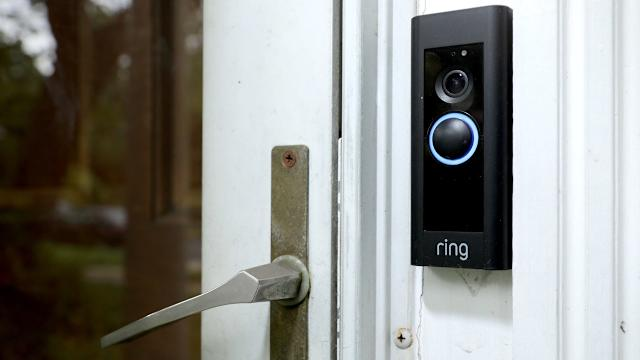
Amazon has started introducing Familiar Faces to Ring doorbells in the United States. The feature relies on on-phone and web applications that identify individuals who frequent a camera. Instead of a generic alert, the app can show a name or label for a visitor. This change aims to cut down on repeated alerts and make notifications more useful for busy households.
How Familiar Faces Works
Homeowners can build a library of up to fifty faces that the camera will learn to recognise. A face can be named from an event in the camera history. Ring says unnamed faces are purged after thirty days unless a user labels them. Once a face is stored and labelled, the app can send a customised alert and let the owner tune notifications for that person. Ring also offers a different AI feature that summarises activity in a clip in plain language and an Alexa-powered Greetings function that can answer the door with scripted replies.
Privacy and Law
Civil liberties organizations and individual politicians have resisted. The Electronic Frontier Foundation cautioned that the development of faceprints and the storage of biometric data could be abused by companies or as a means of increased surveillance by the state. A number of privacy advocates stress that once biometric data exists on servers, it is hard to fully control. The EFF and other groups have cited Ring’s history of data exposure and of sharing videos with law enforcement as reasons for caution.
Regulators and courts are already shaping where Familiar Faces can run. The feature is not available in some parts of the United States that have strict biometric protections. Several news outlets report that states and cities with strong biometric laws have blocked the rollout while regulators review whether the policy change limits competition or harms users. That legal patchwork means the user experience will vary by location.
Should You Enable It
Think about what you want from a smart camera. Familiar Faces can cut down on needless alerts for family and neighbours. It can make daily life a bit easier. Conversely, it leaves a document of the people who visited your place of residence and at what time. The feature will raise questions amongst people with the already existing concerns of privacy. Many privacy experts advise leaving it off. If a household chooses to enable it, they recommend avoiding real names and deleting any stored faces no longer needed.
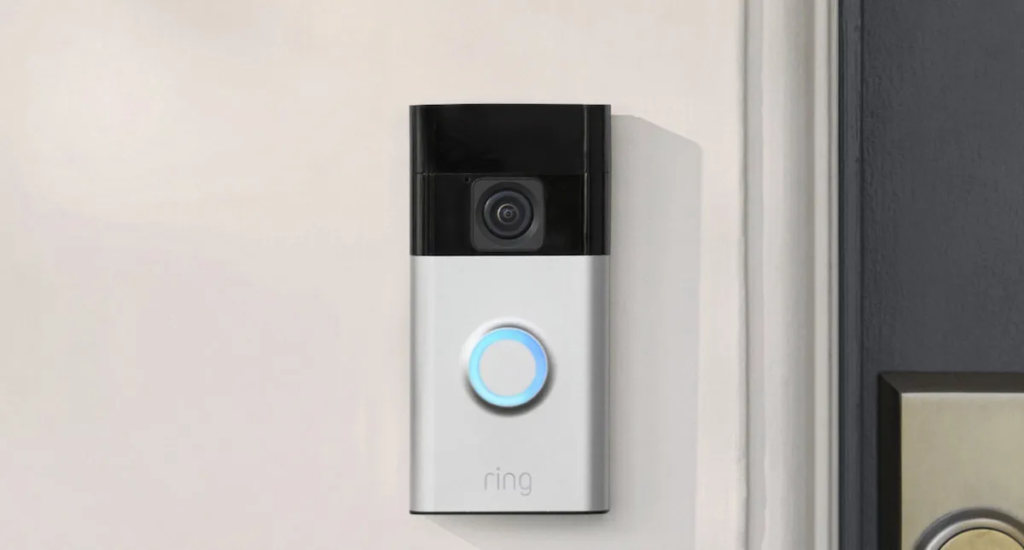
Amazon says biometric data is not used to train its models and that the company will ask for permission before the camera takes action on a recognised face. Ring also notes that the feature is optional and disabled by default. Those assurances may help some users, but critics point to past incidents where Ring allowed broad employee access to customer videos. The Federal Trade Commission reached a settlement over those practices that included refunds and added requirements. That history adds weight to calls for regulation and independent audits.
A separate set of tools from Ring focuses on describing motion and interacting with visitors without naming them. Video Descriptions produce short, plain language notes about what a camera saw. Alexa Greetings can use those descriptions to leave instructions for delivery drivers. Those functions do not create faceprints, and they present a lower privacy burden than a facial recognition system that links images to identities. Amazon rolls out Familiar Faces on Ring as privacy alarms grow.