
Samsung may be preparing to expand the role of the Galaxy Ring beyond health tracking and phone shortcuts. Recent app code and past patent filings suggest that the ring could become a gesture controller for the Galaxy XR headset and for upcoming smart glasses. This change could make the ring a more central part of how users interact with Samsung wearable devices.
The clue came from a teardown of the Galaxy Ring Manager app. The code contains a reference to a ring gesture for glasses. The phrase is brief, but it points to planned software support that could link the ring to wearable displays. This is not the first hint that Samsung sees the ring as more than a health tracker.
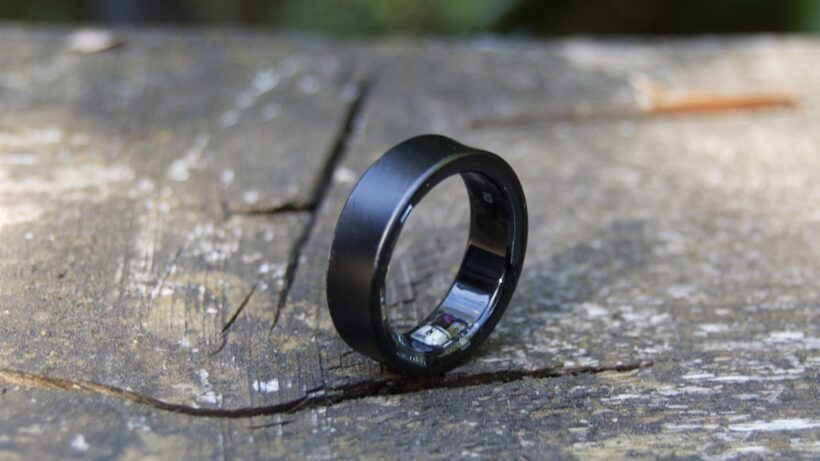
Galaxy Ring and XR
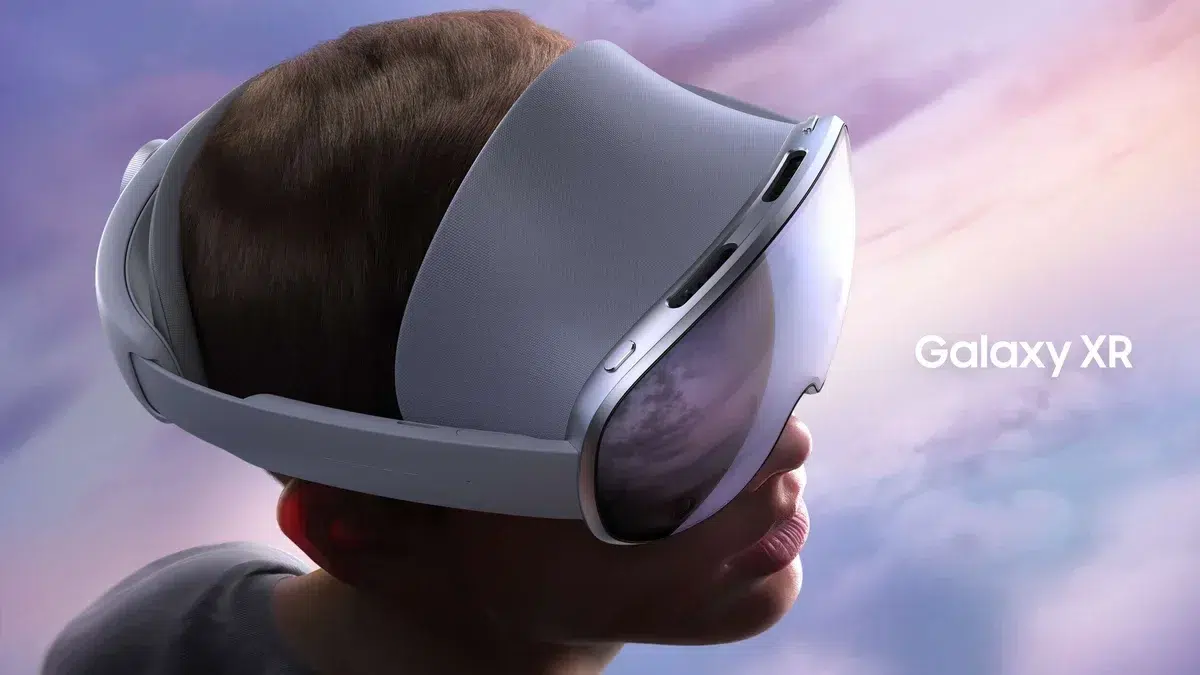
The Galaxy XR headset already offers hand tracking through its cameras and sensors. The ring could add a new input layer for the headset. For smart glasses that may not include hand tracking cameras, the ring could provide basic gesture controls that are faster and more private than touch controls on the frame. Samsung has been working with partners to bring Android XR glasses to market, and that work makes cross-device input a logical next step.
A small set of ring gestures already works with phones. Users can take a photo and silence an alarm with simple movements. Extending those gestures to XR devices would let users confirm menu choices or select items without moving their hands into view of a camera. That could speed up common tasks and reduce the need to reach for a handheld controller.
What this could mean for buyers
A ring that works across phone, tablet, headset, and glasses would be a single accessory for many devices. That could change buying choices. Some users may buy the ring for health tracking and then keep it because it simplifies XR navigation. Others may view the ring as a premium add-on for a full Samsung wearable setup. Samsung also faces competition from accessory makers and from platforms that prefer voice or eye tracking over external controllers. Samsung will need to make the ring useful enough to justify its price.
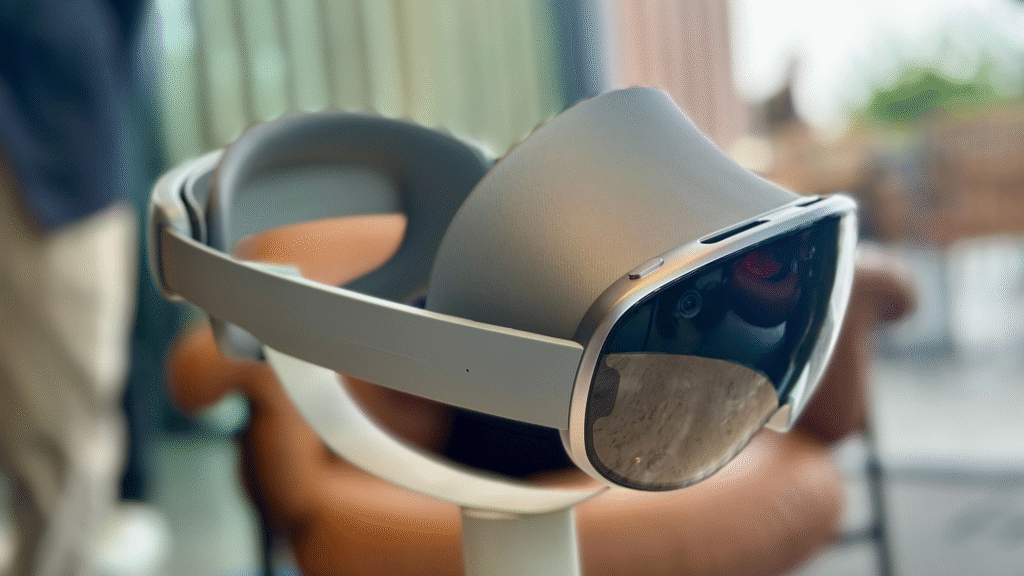
Timing and next steps
Samsung launched the Galaxy XR device and has signaled that it will bring smart glasses to market in stages. Early generation glasses may lack full AR displays, while later models may add more advanced screens. The ring feature could ship by way of firmware updates or with future ring software releases. The move would fit Samsung strategy to create an ecosystem where one accessory works across many screens.
This plan is not confirmed by Samsung in a dedicated announcement. The evidence so far is a string of app code, a history of related patents, and public reports about Samsung partnerships. Those elements taken together make the idea plausible. Readers should expect formal product details from Samsung in future updates.