

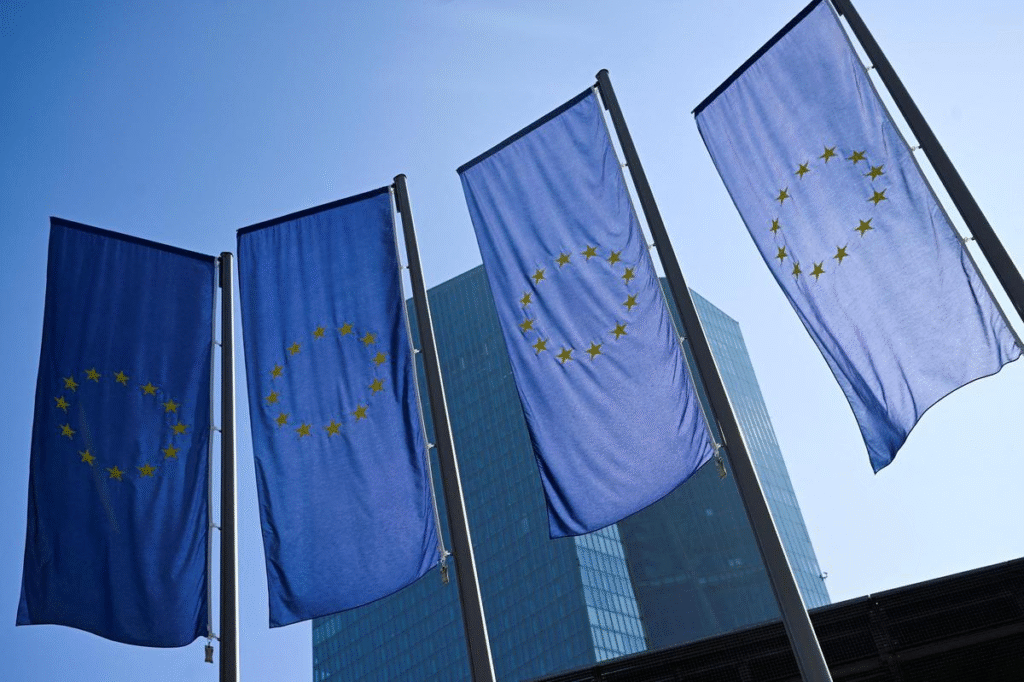
The European Commission (EU) has unveiled a new Democracy Shield aimed at protecting elections and public debate across the European Union. The plan asks major platforms and public figures to play a more active role in spotting and stopping large scale disinformation and hybrid threat campaigns. The Shield rests on coordination between EU agencies national authorities and online platforms. It also seeks to enlist influencers to help explain rules and spot problems in real time.
What the Shield means for platforms and users
The Shield asks large platforms to improve how they detect manipulated content and label AI generated media. The Commission intends to establish a protocol that lets authorities work with platforms during serious incidents. The goal is to speed up reactions in cross border operations and to share verified evidence with member states. The initiative also creates a European Centre for Democratic Resilience to gather data coordinate responses and offer quick support when an operation appears to target an election or public debate. These steps are designed to make the EU faster at spotting campaigns that aim to distort public opinion.
How it will work day to day
Under the new approach platforms will be asked to follow a DSA incident and crisis protocol in urgent cases. The protocol will be a formal channel for authorities to alert platforms and to ask for coordinated action. The Democracy Shield also revives a voluntary Code of Conduct on disinformation. The Commission will work with signatory platforms to improve transparency of recommendation systems and to remove financial incentives for false content. The plan aims to scale fact checking across EU languages and to support civil society and independent media in rapid verification work.
Political aims and limits
This strategy places emphasis on rules that protect free speech while creating tools to respond quickly to threats. The Commission chose coordination and voluntary commitments over heavy-handed enforcement in the first instance. That reflects a political judgment that collaboration can move faster in a crisis. It also reflects the reality that the Digital Services Act was written with national regulators and platform dialogues in mind. The Shield will test whether platforms will meet stricter transparency and verification expectations when faced with coordinated pressure from EU institutions and member states.
Why influencers are part of the plan
The Commission sees influencers as both a risk and an asset. Influencers can spread false claims quickly. They can also reach audiences that many traditional channels cannot. The Democracy Shield proposes a voluntary network of influencers trained to spot disinformation and to explain EU rules to followers. The network would be offered guidance and tools to identify bot campaigns to flag manipulated media and to point users to verified facts during sensitive periods.

Challenges the Commission must solve
Relying on voluntary commitments creates a risk that the results will be uneven. Some platforms and companies have already withdrawn from voluntary codes in the past. Member states also differ in their capacity to act quickly. Measuring the effect of transparency measures will require new indicators and independent audits. The Shield also faces legal and technical complexity when it asks platforms to label AI generated content across many languages and formats. Finally, the plan will demand rapid coordination in a region with 27 national legal regimes and many electoral calendars.