

Google has told a court that open web display advertising is shrinking fast. The admission comes in a legal filing in an antitrust case over ad technology. The company said that new ad formats and tools are changing how money flows online and that this shift is already underway.
This statement stands in contrast to recent public messages from Google that claim the web is healthy and that search sends traffic to many sites. The new filing focuses on advertising and the display ad market. It makes the case that the market is moving away from the old open web model and toward other channels.
What Google said
Google told the court that investment has moved to connected TV and retail media. The company argued that these formats are taking budget that once supported open web display ads. Google warned that forcing a breakup of its ad tools could speed up the change. The company framed that outcome as a harm to publishers who still rely on open web ad revenue.
The filing was part of a wider antitrust fight. Regulators in the United States have argued that Google holds too much power in search and advertising. Google has defended itself by saying the ad market is changing anyway and that a forced breakup could do more harm than good.
Google also noted the rise of artificial intelligence. The company said AI is reshaping ad tech and that the sector is very dynamic. That point is meant to show that market forces are at work and that courts should be cautious about sweeping remedies.
What this means
For publishers the moment is tense. Many sites rely on display ads for income. If ad dollars shift to streaming video and retailer platforms there may be less to go around for independent news sites and niche publishers. That is a real world effect for people who run small and medium sized media businesses.
For regulators the statement complicates the picture. The case against Google is not only about past conduct. It now sits alongside rapid change in how ads are bought and sold. That makes it harder to predict how judges will weigh remedies.
For users the change matters too. If the open web loses ad revenue there could be fewer free sites and less original reporting that covers local news and specialist topics. The long term effect could reshape how people find trustworthy information on the internet.
Context and debate
Google has pushed back on the idea that the broader web is failing. The company said its filing was focused on open web display advertising rather than the web as a whole. Google has argued in public comments that search still sends clicks to many sites. The company has also said that AI powered answers and overviews are designed to help users find quick summaries while still linking to reliable sources when needed.
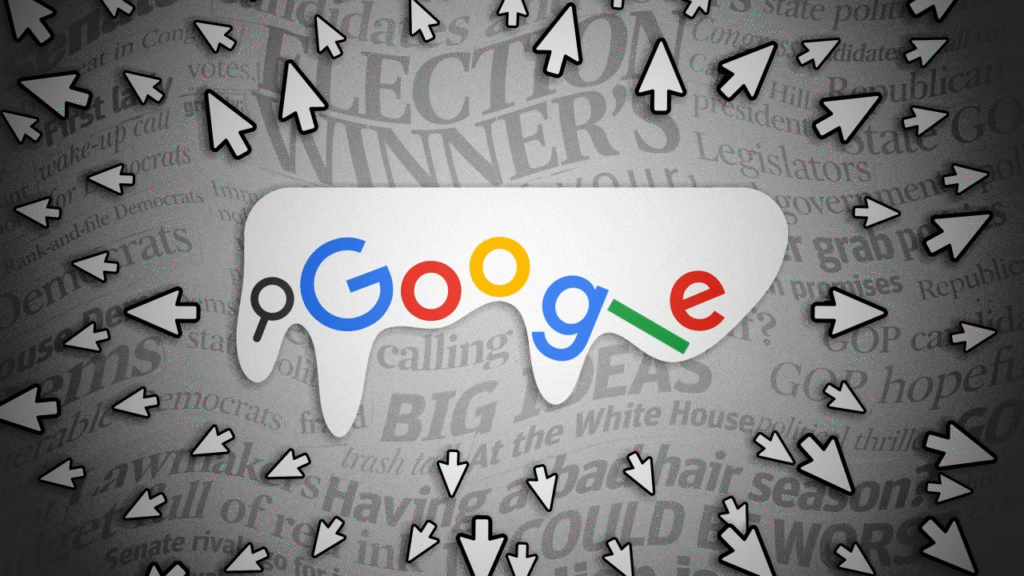
Independent studies and surveys complicate that claim. Research groups found that users are sometimes less likely to click on links when search results show AI summaries first. Publishers have reported declines in referral traffic in some categories. Meanwhile, other platforms such as video and retail media have experienced robust increases in advertisement expenditure.
Legislators and regulators are taking a close note. A number of studies and litigations aim at revitalizing competitions in ad tech. The new filing from Google will likely be a key piece of evidence in debate about what remedies, if any, courts should order.