

OpenAI moved quickly after users pushed back on the replacement of GPT 4o by GPT 5. Many paid users and online communities said they preferred the older model for its voice and behavior. The company confirmed that ChatGPT Plus subscribers will be able to choose GPT 4o again while OpenAI watches how people use older models.
What changed and why users reacted
OpenAI made GPT-5 the default in ChatGPT as part of a platform update. The new model was meant to unify several prior models into a single system that handles many tasks automatically. The rollout removed the old model picker, and it routed users to GPT 5 by default. Many users said they lost a model that felt more personable and more useful for certain routines. Some users reported that their creative workflows and emotional support chats were affected. Other users canceled subscriptions in protest.
How OpenAI responded
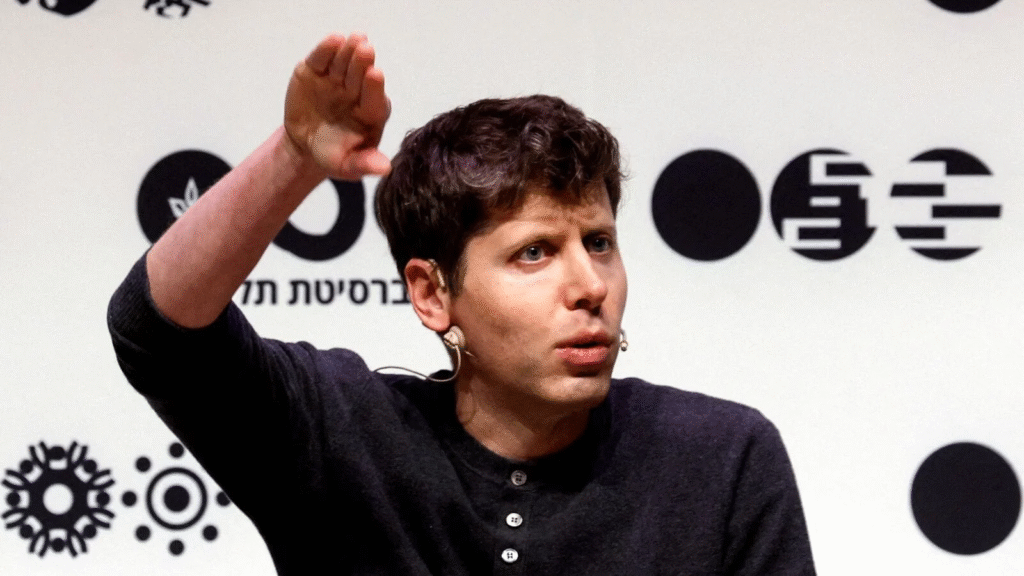
Sam Altman posted on X that OpenAI heard the feedback and will let Plus users continue to use GPT 4o. He said the company will monitor real-world usage to decide how long to keep legacy models available. OpenAI also promised to make GPT-5 behave better and said it will give users clearer signals about which model is responding.
Why some people preferred GPT 4o
A group of users said GPT-4 had a distinct tone and a rhythm they liked. Some people used the model for creativity and for casual conversation. Others used it for niche tasks that fit the older model behavior. The change removed that fine-grained control. Internet discussion boards revealed numerous personal messages of having lost an AI personality they had learned to love. That response demonstrates how certain customers can develop some habits and emotional attachments towards software.
What Plus users can expect now
Paid subscribers will see an option to select GPT 4o again. OpenAI will track usage numbers and may change support over time. The company plans to improve GPT 5 based on the feedback it received. Users who rely on older models for steady workflows should test the restored option and keep copies of important outputs until they are sure the change is stable.
Why this matters for AI design
This episode highlights two realities. One is that model behavior matters beyond raw benchmarks. People notice tone and style. Two is that sudden removals of choice can anger users who depend on a set of tools. For product teams, this is a reminder to keep clear controls and to phase changes in a way that lets users adapt. OpenAI now faces the task of balancing a single unified model with the diversity of user needs.
Follow updates with OpenAI on how they will tag models inside ChatGPT. Monitor alterations to Plus user limits and to the list of legacy models. Find out whether other older models are also maintained by OpenAI. When using ChatGPT with creative or personal workflows, consider saving important content and trying the reinstated GPT 4o setting to ensure that it does what you require of it.