
Microsoft has released a significant update to MIDI in windows 11. The company has reconstructed the system dealing with MIDI. The new windows MIDI services cover the old MIDI 1.0 standard and the new standard of MIDI 2.0. It is the largest modification to the MIDI on the Windows since decades.
This update aims to modernize how instruments, controllers and software talk to each other. Musicians, producers and developers will see new features that make setup and routing simpler. The update also keeps old gear working the way it always has.

What Changed Now
Windows has received one MIDI layer which is MIDI 1.0 and MIDI 2.0. The operating system can display high resolution messages without having to sacrifice older software using standard MIDI 1.0 data. The system will translate automatically between the two as devices and apps require. This makes it possible to use next generation controllers with older programs without extra conversion tools.
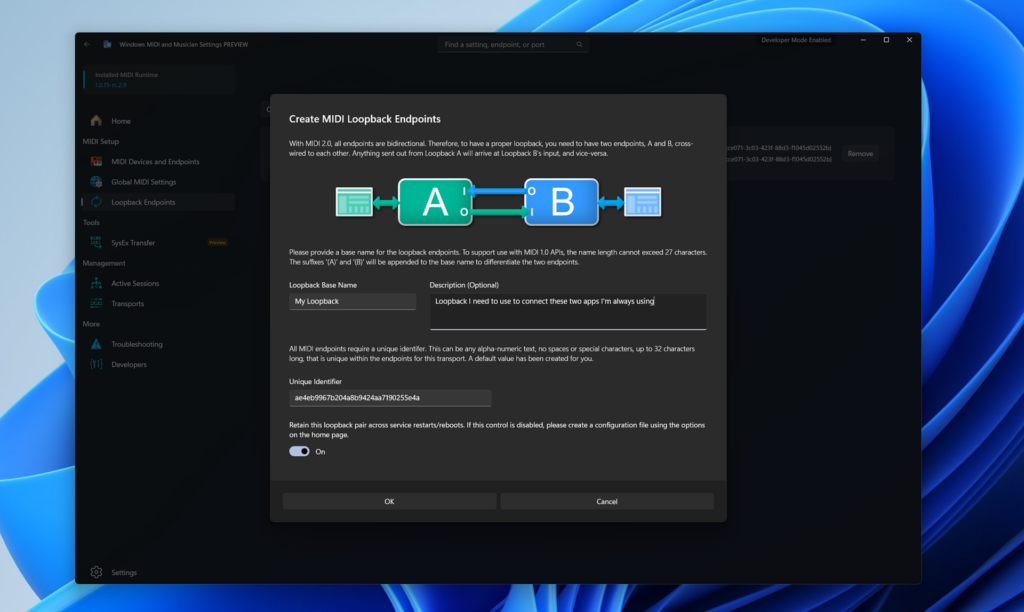
Physical MIDI ports as well as MIDI 2.0 endpoints can be occupied by numerous applications simultaneously. That is to say a DAW, a notation program and a test tool can all be sharing a keyboard. This built in multi client support removes the need for special drivers or third party virtual ports. Windows now includes loopback endpoints inside the operating system so apps can pass MIDI to each other without extra drivers.
Endpoint names and metadata are now richer and configurable. Devices can live with clear names that show up across APIs. The system will also support custom icons and descriptions through a settings tool that Microsoft will make available for creators and pro users.
Timing and scheduling have been improved. Messages can use precise timestamps. Sub microsecond timing and scheduled output can make complex rigs more stable. The platform aims to reduce jitter and to make tight sync between audio and MIDI more reliable.
USB MIDI drivers have been updated. Windows will include a new class driver that can handle modern MIDI transports as well as legacy devices. Users may choose which driver works best for a given device when they need to.
Windows MIDI Services has been developed in public on GitHub. Microsoft worked with instrument makers and DAW makers on the design. The open development process welcomes feedback from hardware and software vendors.
How Musicians Benefit
This change will shorten setup time for live rigs and studio systems. A keyboard can be shared between software and hardware at the same moment without complex workarounds. Loopback inside the OS makes internal routing simple and dependable. Apps can route notes and controllers between them without extra tools.
MIDI 2.0 offers better resolution and per note controls. That lets controllers send more expressive data. More detail can be added to synths and samplers by drum pads, guitar synths and piano controllers. When a MIDI 2.0 device is encountered by a MIDI 1.0 program the system will scale values in such a way that the legacy software will act in a normal manner. This automatic translation helps studios move forward while protecting older workflows.
The update improves device discovery and endpoint identity. Devices now announce their capabilities better. That helps applications show the right controls and avoids the old problem of unclear device names. The changes aim to reduce the time a user spends hunting for the right port or driver.
Developers will find a modern SDK and tools arriving soon. Those tools include a MIDI console, scripting hooks and runtime libraries. Microsoft plans to expand the tool set so makers can build new instruments and utilities quickly.
Partners and Support
Microsoft worked with standards and makers to make these changes practical. The new stack follows the standards laid out by the MIDI Association. Early testing and feedback involved several hardware manufacturers and developers of DAW. Such a collaboration approach should facilitate adoption and reduce fragmentation.
Other companies like Yamaha, Roland and Steinberg had been involved in the broader MIDI ecosystem years ago and they had a part to play in the discussion surrounding this update. A large number of makers are also working on firmware and driver updates so that they can capitalize on the new features.