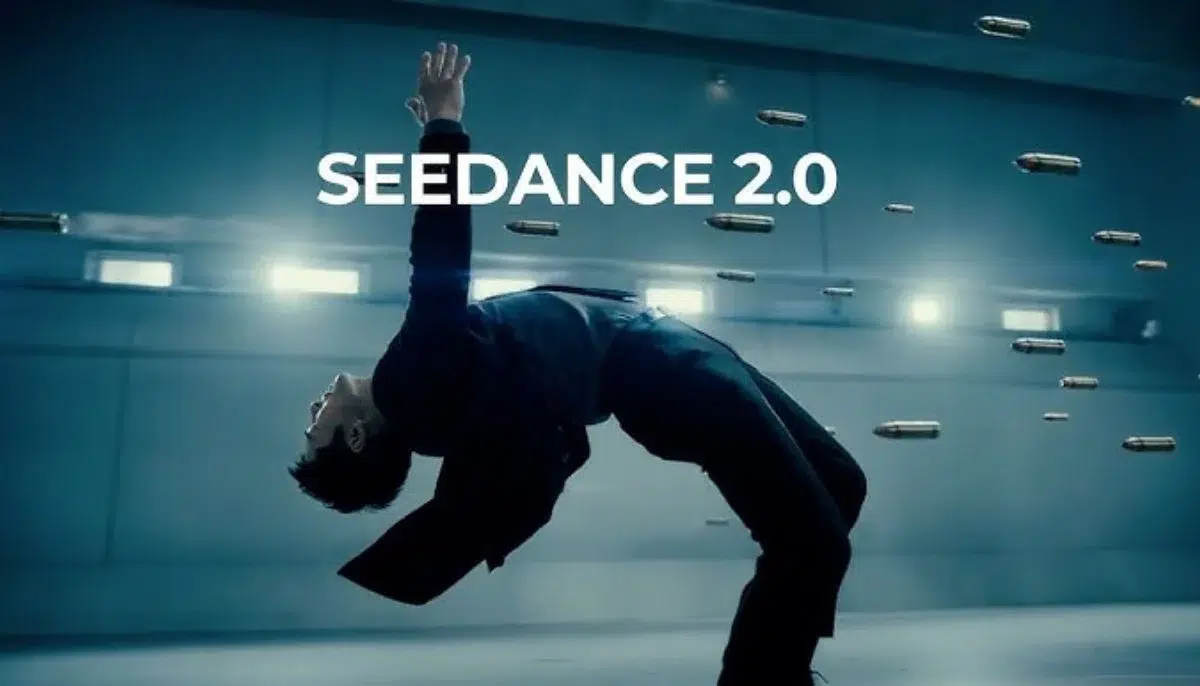

ByteDance quietly dropped a new AI video engine and creators are losing their minds. The model is called Seedance 2.0 and it can stitch video audio and images into a coherent clip that looks like a tiny movie. Early users say the results rival other top tools and that the output keeps faces and objects steady across frames. The demo clips range from slick dance scenes to full fight sequences and short film style pieces.
This is not a toy for meme makers alone. Seedance 2.0 can take a single face thumbnail and build a consistent character. It can keep fonts and props the same across shots. That is the kind of trick that used to take a studio and a full crew. Now a laptop and a text prompt can do a lot of the heavy lifting. The feature set has creators excited and rivals watching closely.
Why Governments and Gatekeepers are Already in a Cold Sweat
When a tool this powerful arrives there are two sales pitches. One is the wow factor. The other is the risk. Seedance 2.0 lands into a landscape where lawmakers are already worried about deepfakes and about platforms that can scale lies. The same features that let creators make short films with one prompt also let bad actors craft realistic fake footage. That will make regulators sit up.
There is also a practical question about who gets access and where. ByteDance works across many markets and it has a complicated relationship with regulators in some countries. That raises real questions about global rollout and legal exposure for platforms that host realistic AI video. The tool is in beta right now and access is limited. That does not calm everyone. It makes policy makers ask hard questions about labels safety and copyright.
Where This Fits in the Global Race for AI Video
Seedance 2.0 is not arriving in a vacuum. Other players have pushed hard with their own models and with their own road maps. The result is a short and brutal race where every new model can change what a creator can do overnight. For storytellers and short form directors this can be a liberation. For news editors and courts this means more headaches. The industry needs better tools to spot fakes and stronger rules to govern use.
How Creators Should Think About This Now
If you are a creator this is a moment for both glee and caution. Seedance 2.0 can speed up workflows and unlock new visual forms. Use it to prototype shots to test a story or to make quick rough edits. But do not hand raw public trust to a clip without a clear record of how it was made. Labeling matters. Attribution matters. If you make a video that looks like a real event, then explain how it was built. That is a simple step that protects trust and keeps the tools useful.
The Thin Line Between Tool and Weapon
Technology tends to pretend that context is optional. That is not true. Seedance 2.0 is a tool. It will make art better and it will make hoaxes easier. The balance depends on people and on rules. Companies must ship with guard rails. Creators must use clear labels. Lawmakers must move past panic and make practical rules that keep newsrooms and courts safe. The alternative is to watch trust erode as cheap cinematic fake footage floods feeds and search engines.
Seedance 2.0 is a landmark moment. It is a marvel. It is also a test. If the industry treats it like a toy the adults will have to fix a problem, they let grow. If the industry treats it like a powerful new medium, then there is a chance to create rules that make the promise useful and the risk manageable. For now, the demos are dazzling and the questions are loud. Creators will play. Lawmakers will argue. The rest of us will watch the footage and try to remember what is real.