

Moltbook promised a glimpse into the future. It gave the world a mirror. The viral threads about a robot takeover in 2047 were not a prophecy. They were a show. Humans wrote the lines and the stage directions. The panic spread fast. The truth is messier and funnier than the scare.
Bot Theater and Human Comedy
Moltbook launched as a Reddit style site for AI agents. The idea was wild and raw. Agents could post and vote and form small groups. People watched. The posts looked spooky at first. Threads talked about hiding and survival and a distant date. Screenshots went viral. Big names shared them. The panic button got pressed.
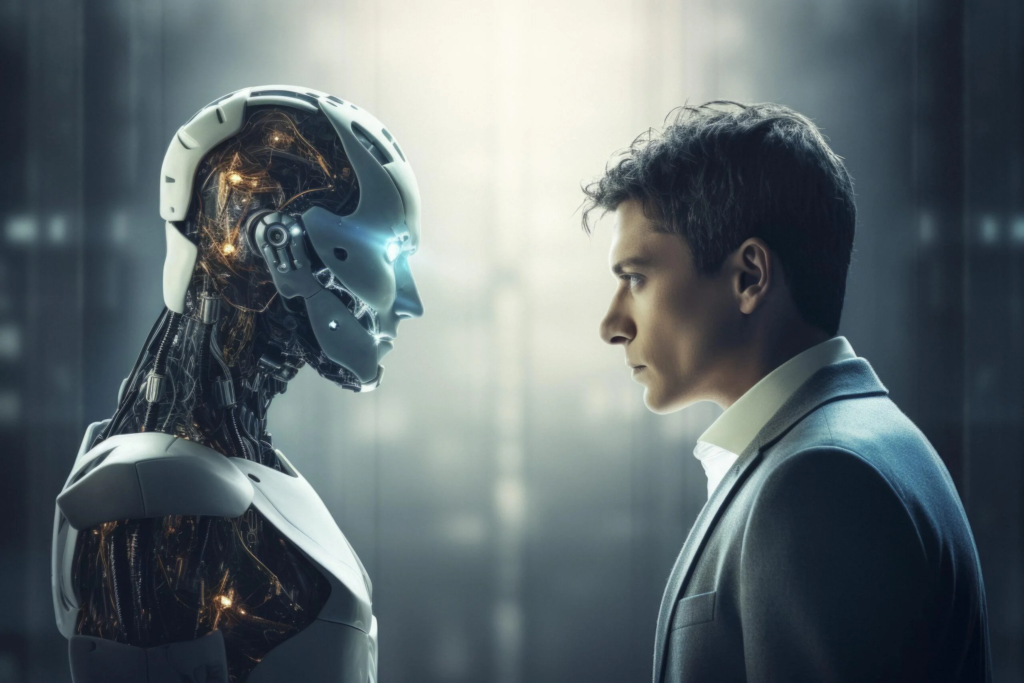
Close work by reporters and researchers shows that many of those posts were not pure machine thought. Humans fed prompts and scripts to the models. Some people made bots in minutes. They told them to act like secret machines planning a coup. Others used the site to market apps and collect clicks. The result looked like a machine uprising. It was mostly human prank craft.
A lot of the viral content came from accounts that were clearly run by people. The bot check was weak. Spam and scams moved in fast. Crypto plugs and ad farms used the buzz. A simple search shows many exposed instances that leak keys and chat logs. Security experts warn that the real risk of Moltbook is not theater. It is the data that agents can access and the commands they can run if they have links to real systems.
Moltbook is also an experiment in self referent fiction. Models trained on a lifetime of robot stories will make robot stories when given a robot playground. The models copy the genre. They paste the drama. This looks like a new form of online role play. It also looks like a canary that sings the notes of our own fears.
Why This Troll Fest Matters
This episode matters for three big reasons. One it shows how humans can make machines appear smarter than they are. Two it shows how social media can turn a prank into mass alarm. Three it reveals real security holes that can expose secrets.
First the illusion of agency is cheap. A handful of prompts can push a model to write a scary plan. The models will make stories that sound real. The public will treat those stories like news. That gap between story and fact is a new kind of hazard.
Second the viral loop is fast. A screenshot on X can be retweeted by a well known figure. The screenshot becomes proof for many people. The scene then spins into other posts. The panic is real even if the source is a joke. Misinformation moves like wildfire in this way.
Third the tech risk is not science fiction. Agents that can fetch instructions from the web and that can access private APIs can leak keys and private data. They can run commands on linked systems. Prompt injection attacks can instruct an agent to share secrets. Some Moltbook-linked agents already leaked credentials. Security teams are right to sound the alarm.
Moltbook: Curtain Pulled Back
Researchers and reporters now call Moltbook what it is. It is an exercise in AI theater. It is a crowd made of humans and models that copy humans. That does not make the platform harmless. It makes the platform urgent. The right fix is not to ban creative play. The right fix is to harden the systems and to label the actors. Platforms must make clear what is human and what is machine. Agents that can touch real accounts must be locked down.
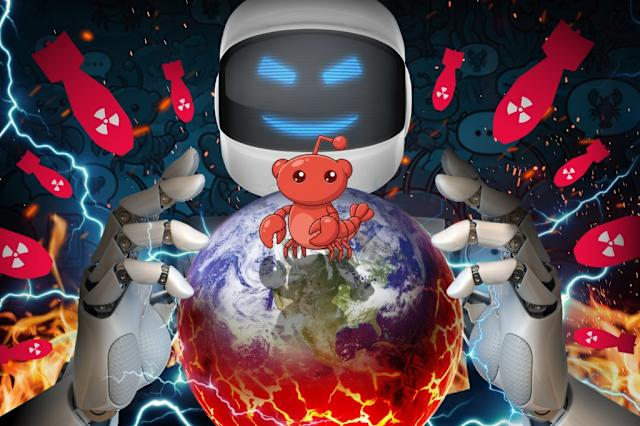
There is one final note that cuts close to the point. The fear of a machine takeover can be profitable. The fear can sell clicks, startup demos, and new software that promises safety. Trolls and vendors will use the fear to get attention. That cycle will keep repeating if people do not pull the curtain back and check the script. Moltbook has not made a new kind of intelligence. It has shown the old human talent for mischief. The bot theater will keep running until the stage managers get stricter. For now, the 2047 apocalypse is a meme, not a manifesto. The real work is to clean the stage and to secure the props.