
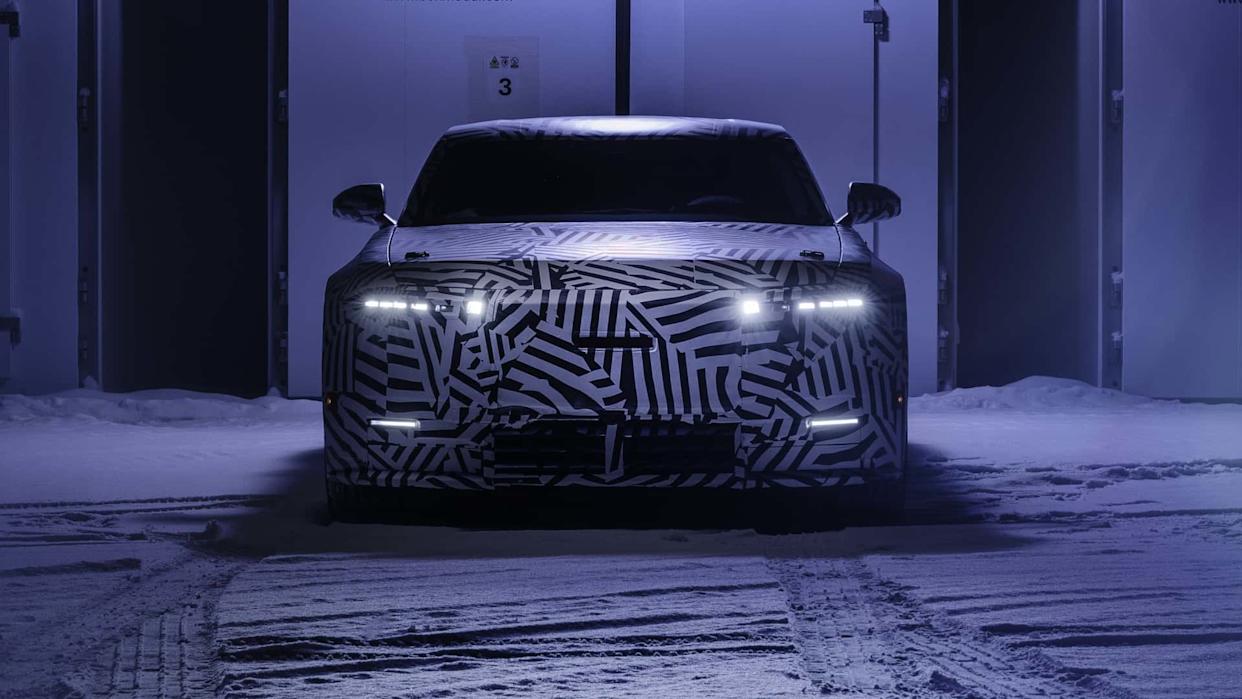

Jaguar has gone full theatrical. The new flagship electric sedan aims to be a low-slung luxury showpiece. The cost of that look is a curious puzzle of battery modules stuffed inside the cabin. Critics are calling it clever. Others call it reckless. The car promises 120 kWh of energy. It promises about 400 miles of range. It will have a range of approximately 400 miles. It guarantees three electric motors and over 1000 horsepower. It also promises no frunk and no rear window. That is not a typo.
This is not a gentle redesign. This is an engineering stunt with swagger. Jaguar did not want tall belt lines and bulky proportions. Designers wanted a coupe-like seating posture. To get there, the company split the battery into five separate stacks. One small 19 kWh pack sits near the front of the cabin. Four larger 25 kWh stacks sit behind it. The gaps between those packs are the new footwells. The plan is simple on paper. It looks elegant in renderings. It creates awkward questions in real life.
Battery Lego Trick Unfolds
Think of a battery pack as a single heavy slab under the floor. That is the norm. Jaguar tore up the rulebook. The team stacked energy bars like a jigsaw puzzle to make room for low seats. The car stays short in height. That gives it a sporty silhouette. It also forces designers to hide mass around the cabin. The result is radical packaging that will excite design heads and alarm practical buyers.
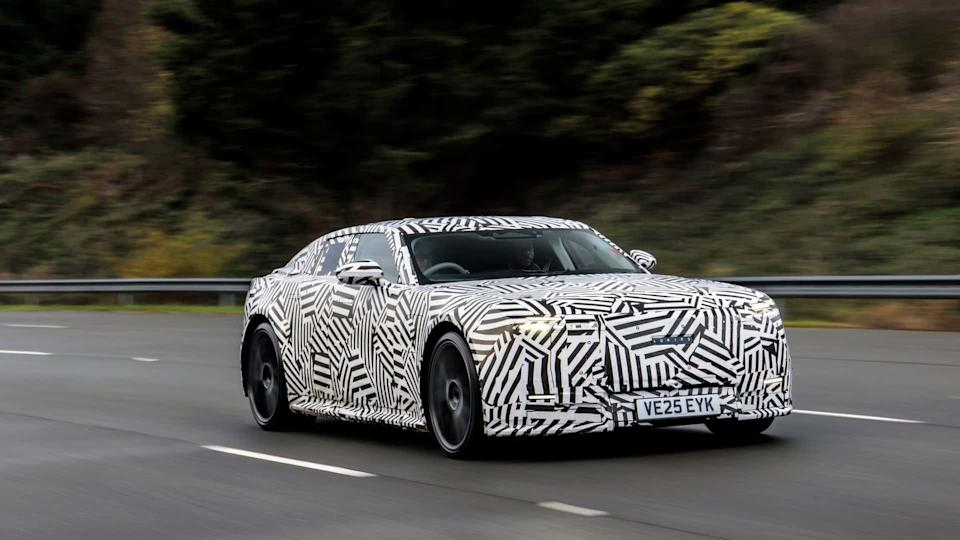
The prototype fleet lets journalists drive early versions. They report that the cabin feels low and sporty. They also say legroom and storage are strange. There is less space than owners expect. The front trunk is gone. The rear glass is gone. Those are bold calls for a brand that is trying to be high art on wheels. Jaguar hopes buyers will trade storage for drama.
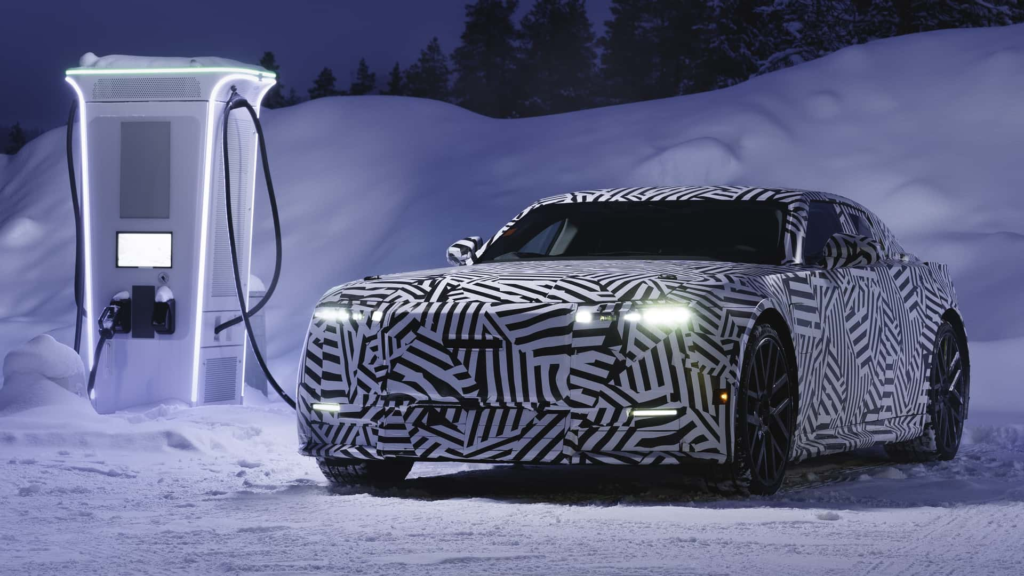
Under the skin, the new JEA architecture will support high-voltage systems. That means faster charging when the chargers arrive. Jaguar also claims the split pack will still deliver high performance. Three motors should give instant power and strong torque vectoring. Jaguar wants this car to be a halo that proves the company can be daring and not just safe.
The Reality Check
Auto critics are not shy. They have mostly slammed the move as form over function. Journalists and owners ask blunt questions. How will thermal management work with scattered cells? How will crash safety change when cells sit near passenger feet? How will long-term service work if packs are nested inside the cabin? These are not trivial matters.
Maintenance could be harder. Repair shops will face extra labor to access modules behind covers and trim. Warranty claims may grow more complex. Owners who want a usable trunk or a regular rear view may feel shortchanged. That is the trade that Jaguar asks buyers to accept. The brand bets that bold buyers will pay for the look and the prestige.
Some experts applaud the thinking. They say innovation often looks strange at first. They point out that EV makers must rethink interior space anyway. Splitting a battery gives designers new ways to balance range and ergonomics. Others warn that a single bad execution could make the entire concept a liability.
Jaguar put a big play on image and drama. The ad campaign already raised eyebrows. That was likely intentional. The company wants to reset its identity as an all-electric luxury marque. That is a high-risk strategy. If the final product leaves buyers with a cramped cabin and a heavy service bill, then prestige will be thin.
The Battery Jigsaw
Before you hand out cash, there are some straightforward checks you can make to be intrigued with this car. Sit in the driver’s seat. Check rear seat comfort. Check the space available to store luggage. Request the dealer to provide information about battery accessibility. Inquire about the cooling of circuits and safety in case of a crash on the modular cells. Enquire whether there will be variations between interior trims and battery layouts.
Also, keep an eye on charging specs. Jaguar promises 800-volt capability. That should shorten stops when fast chargers are available. But Jaguar has not revealed peak charge rates yet. Range claims look solid on paper. Real-world numbers will matter once independent tests appear.
Jaguar took a design risk with the battery jigsaw. The payoff could be a new luxury icon. The payoff could also be a car that fans admire, and owners grumble about. Either way, this move makes a point. Luxury car makers are willing to bet image and engineering on new forms of battery design. That is newsworthy, and it is polarizing.