
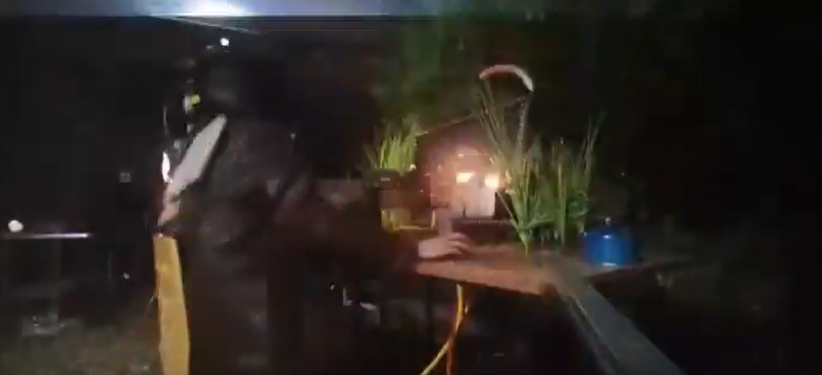

A viral clip shows a gamer who took realism too far. The video that spread on X shows a player sitting inside a rig that reacts to the game. When bullets hit on screen a firework pops. When rain falls in the map water hits the player. When the player takes damage an electrical jolt snaps at an arm or a leg. The rig is noisy and boisterous and it appears risky. Elon Musk responded to the post using a laughing emoji and only one word. The internet responded in its usual manner. Some cheered. Many warned.
A Stunt That Thrills and Alarms
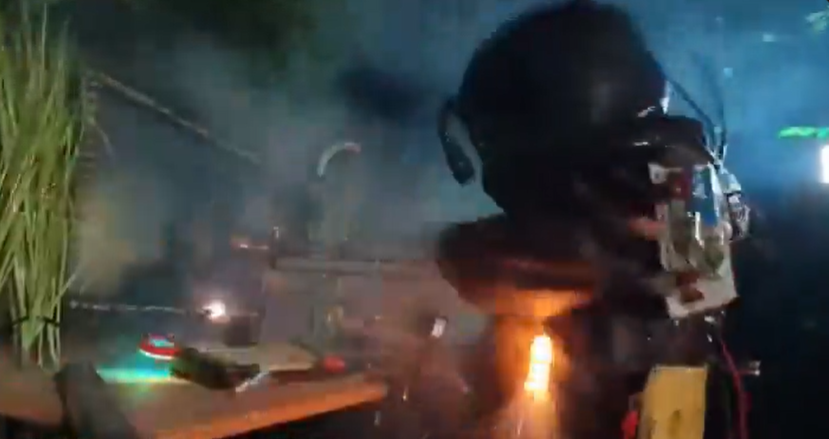
The setup is show business for gamers. The clip shows a machine that turns virtual danger into a real sting. The player wears a full face helmet and a jacket. Sparks burst and fireworks arc near the monitor. Small fans blast wind and a spray system wets the chair. The player takes shocks that match the damage direction in game. At one point a gust machine breaks apart and the scene looks absurd and risky. The rig is a flex. It is also a live hazard.
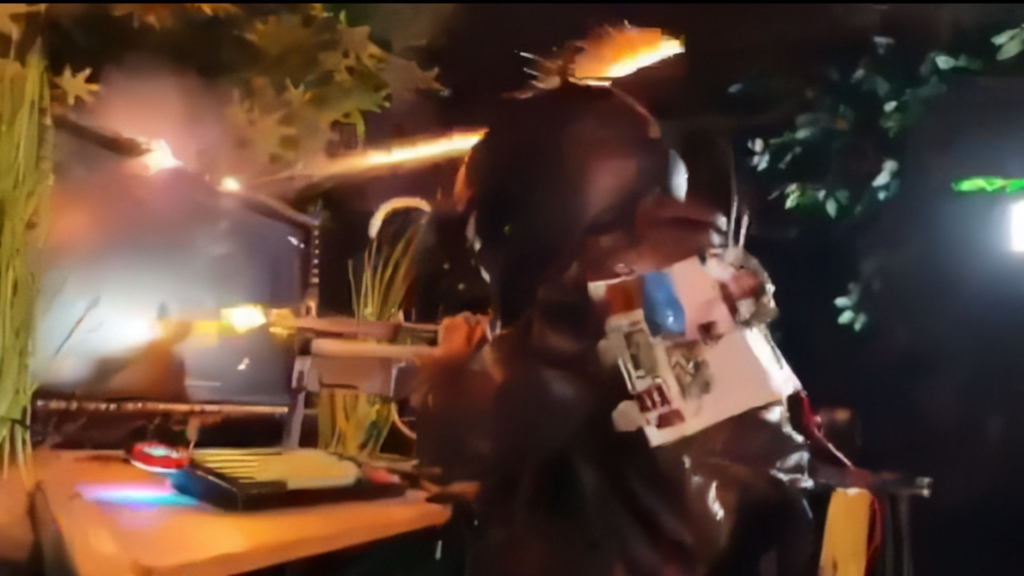
This video is spectacle and it is also a cautionary tale. The stunt makes a point about how far some will go to feel a game. The rig is a toy as in a grown up circus trick. It is also a reminder that the line between play and pain is thin. Some viewers call it art. Some call it madness. The word people used most was hardcore.
The original post on X showed the core moments. The clip has echoes of other extreme rigs like the tank and fighter cockpit builds that have appeared on streaming sites. Those rigs aim to recreate the feel of a vehicle or a battlefield. This one moves that idea toward literal harm. That move makes the laugh feel small next to the risk.
Why This is a Bad Idea That Will Not Stop Showing Up
The stunt works because the web rewards extremity. Platforms feed the most shocking frames to the most users. A clip of a man getting shocked in slow motion will get clicks. That is the business model. The result is a feedback loop. Creators escalate to get a view. The audience cheers and warns at the same time. The cycle repeats.
There are real reasons to pause before copying the stunt. The rig is unsafe. Fireworks near fabric and screens burn. Electrical shocks can injure or faint a player. Moving parts and fans can fail and cause lacerations. A wet system near power is a serious hazard. The clip shows a machine that works for a minute on camera. It does not show maintenance or what happens when things fail.
Safety aside there are other questions. What is the appeal of a game that punishes you in the body rather than on screen? For some players the point is sensory immersion. For others the point is mastery and control. A box that hits you when you lose changes the game into a test of pain tolerance and endurance. That twist reads like a stunt rather than sport.
The social reaction matters too. Influencers and brands will harvest this clip for attention. Tech fans will dissect the rig. Safety experts will shake their heads. A short clip can inspire copycats who do not know the limits of spark and shock. That is the worst part. The demo is fun to watch from a chair. It is a bad idea in most living rooms.
Dangerous Spectacle
Something about gadget culture is also implied by this moment. Other equipment aims at realism by any means. Other artists are interested in erasing the line between the virtual and the real. Those urges create convenient technology and they create a wanton thought. The rig does both. It entertains. It also pushes the limits of the living room.
Do not try this at home. The video is a news item and not a guidebook. Individuals who construct rigs should not think about safety afterward. It is up to the manufacturers and creators to be responsible towards their fans that they do not accept normalizing harmful play. A viral laugh is no reason to visit the hospital.
The stunt will become a type of oddity that goes viral. It is also going to be found in round ups concerning the extremes of home hardware and of internet culture. That is fitting. The video poses an actual question of the place where play ends and danger begins. The most appropriate response is that, harm should not be rewarded by spectacle and that the first consideration should be safety.