

Satya Nadella posted a long think piece about AI. The post used polished language and tidy frames. It read like a tech brief meant for quarterly slides and keynote rehearsals. Many readers did not come away feeling moved. Many readers felt mildly unnerved. A prominent AI writing assistant then ran a scan and said what everyone suspected. The prose looked a lot like model output rather than a lived moment from an executive leader.
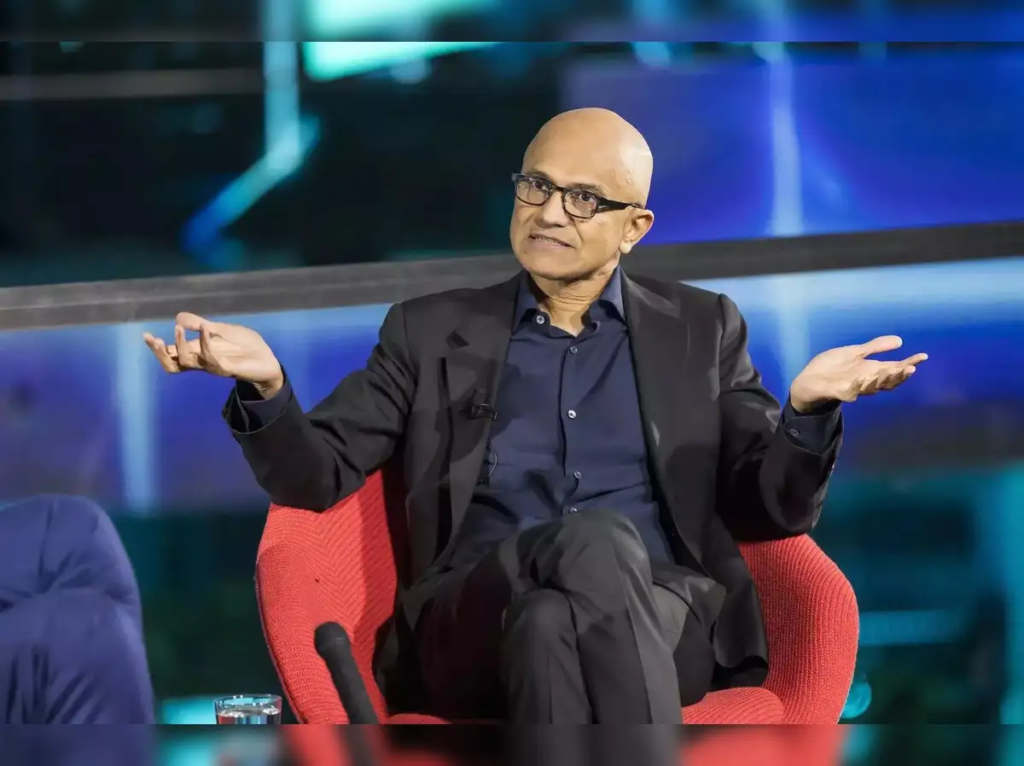
Windows Central reported that Copilot flagged the post as having hallmarks of AI style. The reporter and an internal Copilot checked pointed to phrases and rhythms that models tend to generate. Those phrases included high-level vocabulary and tidy binaries like spectacle versus substance. The result was a public shrug and a private question about authorship. That is a strange place for a CEO who leads one of the world largest software companies to land. It is also a useful mirror for a sector that now claims the mantle of authenticity while it leans on synthetic polish.
Copilot Speaks Up
Copilot is a Microsoft product that helps people write. Copilot can also comment on how things are written. The tool noted features that usually mark model-created text. Those features are balanced cadence, repeating motifs, and abstraction that floats above concrete detail. Copilot also said that some passages did have human-like structure and original phrasing. That means the output could be a human draft polished by AI. It could also mean an AI draft edited by a human. Either way, the line was blurred on a public company blog written by its CEO.
This matters beyond a single blog post. Microsoft sells Copilot, and Microsoft sells a corporate story about AI that is human-centric. When the company leader publishes a vision piece that looks like it came from a model, the company faces a credibility problem. The problem is not only about whether an executive used an assistant. The problem is about whether the public can still trust that leadership language is grounded in human judgment and lived decisions.
What Comes Next
Expect three outcomes from this moment. People inside Microsoft will debate style and substance. Communications teams will adjust editing flows. Regulators and customers will press for clearer disclosure about the use of generative tools in leadership messaging. The broader tech public will keep testing CEO language for model like fingerprints. That will become a new social norm for how the industry speaks about itself.
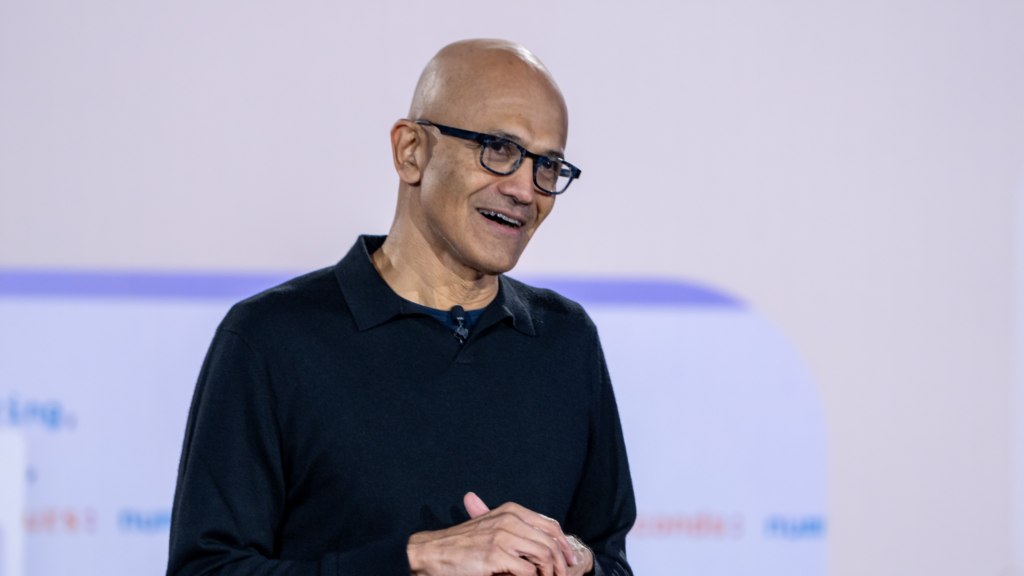
Satya Nadella is a skilled leader and well-experienced in the industry. He can easily write wisely on AI based on his years of decision-making and technical involvement. The real test is whether the company chooses transparency as the next move. A simple line in an executive post would help. A short note that says this piece was co-drafted with an assistant and then revised in-house would close many of the trust gaps at once.