

OpenAI has posted a senior role to lead work on emerging risks from advanced AI systems. The company is seeking someone to run its preparedness framework and to help the organisation spot harms that could come from model capabilities in areas such as security and mental health.
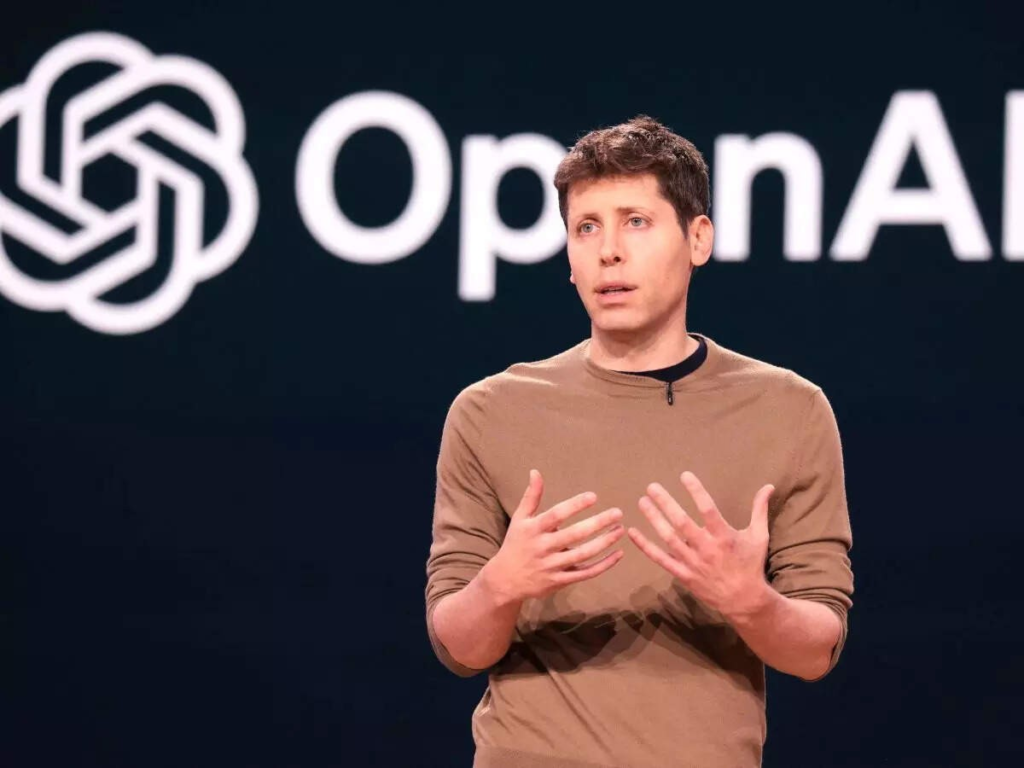
This hiring move follows public comments from OpenAI leadership that models are starting to create real challenges. CEO Sam Altman said the company sees risks ranging from AI tools that can find software vulnerabilities to harms that affect people’s well-being. Those remarks are part of why OpenAI has reoriented resources toward a preparedness team with a broad remit.
Why This Matters
OpenAI calls preparedness a way to track frontier capabilities that could produce new kinds of severe harm. The new Head of Preparedness will be expected to build programs that test models, map threat pathways, and work with policy and safety teams to slow or stop dangerous uses. The public facing job listing makes clear that OpenAI wants someone who can translate technical findings into concrete safety steps and partnerships.
The role is notable for its senior-level pay and scope. The posted salary is large and includes equity. OpenAI is treating preparedness as a long-term and central activity rather than a sideline. Those details underline that the company is investing in teams that are meant to spot and manage high risk outcomes from AI.
Role and scope
The Head of Preparedness will lead work across many areas of risk. That includes studying how models might be misused for cyberattacks and how outputs can affect mental health. The job will also involve testing complex attack chains in safe settings and designing release and access rules that reduce real-world harm. Applicants are asked to bring a mix of technical knowledge, policy sense, and program-building experience.
OpenAI has been changing its internal structure around safety and preparedness over the last two years. The company has previously reassigned staff and refreshed its public frameworks on how it will treat model releases and risk thresholds. This hiring is part of that longer process rather than a one-off announcement.
What This Means for the Wider Field
A high-profile hire like this signals that OpenAI is moving from early experiments in safety to more formalised and resourced programs. The job is intended to strengthen ties between internal red teams, outside experts, and regulators. It also aims to create faster feedback from technical testing into product and policy choices. That may change how quickly OpenAI responds to new threats.

At the same time, this work is hard. Preparedness covers many domains that are not strictly technical. Mental health harms and public welfare questions need clinical and social expertise as well as engineering. Cybersecurity harms demand advanced red teaming and deep systems knowledge. The person in the role will need to balance those demands and to build partnerships across many fields.