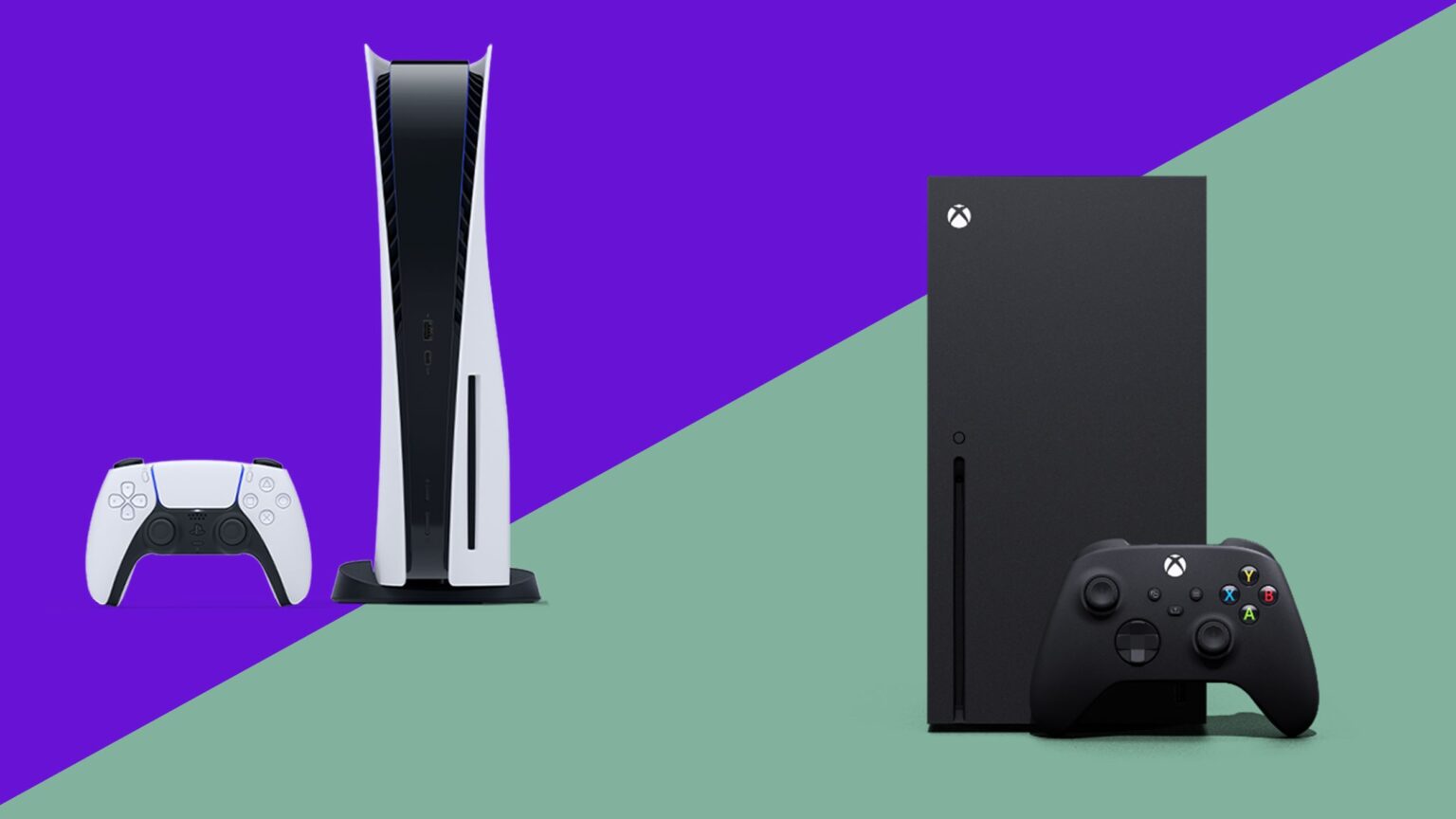

Video game console makers face a new cost shock. Memory chips are getting more expensive. The rise is driven by rapid spending on artificial intelligence infrastructure. This shift is squeezing the supply of the chips that power PlayStation and Xbox consoles and the latest Switch systems.
Rising memory prices
Memory is a key part of gaming hardware. These chips help games load fast and run smooth. The main type affected is DRAM. Data center builders and cloud services now buy large volumes of high-end memory for AI servers. Chip makers are favouring those customers because the margins are higher. That has reduced the memory that is available for consumer devices. Analysts say this will push up component costs for consoles and personal computers.
Micron has rewritten its product strategy. The company has said that it will wind down its Crucial consumer brand to focus on memory for data centers. The move signals a long-term tilt by major suppliers toward enterprise and AI use cases. Micron warned that the supply tightness will persist beyond 2026. Such moves make it harder for console makers to lock in cheap parts for future devices.
Industry trackers report large recent price moves. Counterpoint and other analysts recorded sharp rises in memory costs through 2025. One estimate suggests memory prices rose more than half this year and that further rises are likely early next year. Such swings can add many tens of dollars to the bill of parts for a single console or push the PC bill of materials higher by a notable share.
Console maker options
Console companies sell hardware on tight margins. Raising the retail price is one path. Market experts say a typical console sticker price could go up by ten to fifteen percent in the next one to two years. PC prices could climb even more because memory accounts for a larger share of a gaming PC cost. The higher price route risks reducing demand among core players and casual buyers.
Another choice is to delay or scale back new hardware launches. Some firms may extend the life of existing models to avoid launching into a volatile supply market. This can limit short-term losses, but it can also slow long-term product cycles and dampen consumer excitement. Analysts say that companies will act with caution and that some launches could slip into later calendar periods to allow prices to stabilise.
Manufacturers can also change the bill of materials. They can redesign systems to use less of the scarce memory or to adopt alternative architectures. Such changes take time and may reduce device performance. That trade-off is hard to justify for flagship devices where performance is a selling point. The industry will balance cost, performance, and time to market when making such choices.
Market outlook 2026
The market perception is shifting to downward direction. Other forecasters, such as TrendForce, have reduced expectations of growing console shipments. The group has also reduced its growth outlook and currently estimates a decline in the year 2026 than projections made previously. The demand of gaming hardware has already been weak in consumer spending. According to the latest metrics of industry trackers, the hardware sales and the quantity sold were at their lowest in several years. An increase in prices can further weaken it.
The increased memory prices are a portion of a greater cost narrative. The average selling prices are already being pushed up by tariffs and other manufacturing expenses this year. When prices of the components increase in a number of quarters, the number of purchasers will either stop or delay buying. Developers and publishers can also postpone the sale of system games, which are to be used to generate hardware cycles. It can establish a decreased chain of demand and supply in a whole ecosystem of hardware.

The problem of memory supply is not completely transient. The major suppliers have indicated a multi-year target on AI-grade memory. The additional capacity of the fab and specialised products will be introduced gradually. That will alleviate pressure, but it will require years to adjust the dichotomy between the AI demand and the need of consumer devices, until the time when console manufacturers and PC component manufacturers decide on the option of higher prices or delayed launch, or redesigning their products. Both decisions have business risk.
This episode indicates how demand in one technology area can redefine demand in others in a very short period of time. Price fluctuations and shipping instructions will keep gamers and industry observers alert in the next few months. Retailers and publishers will also change their plans according to new market predictions. The next two quarters will possibly show the depth to the consumers, and the duration of the pain of the consumers as well as the console market.