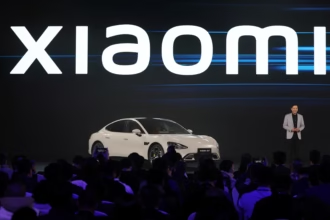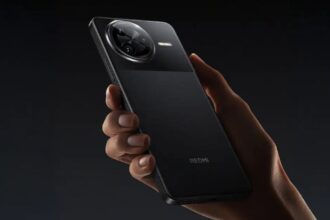
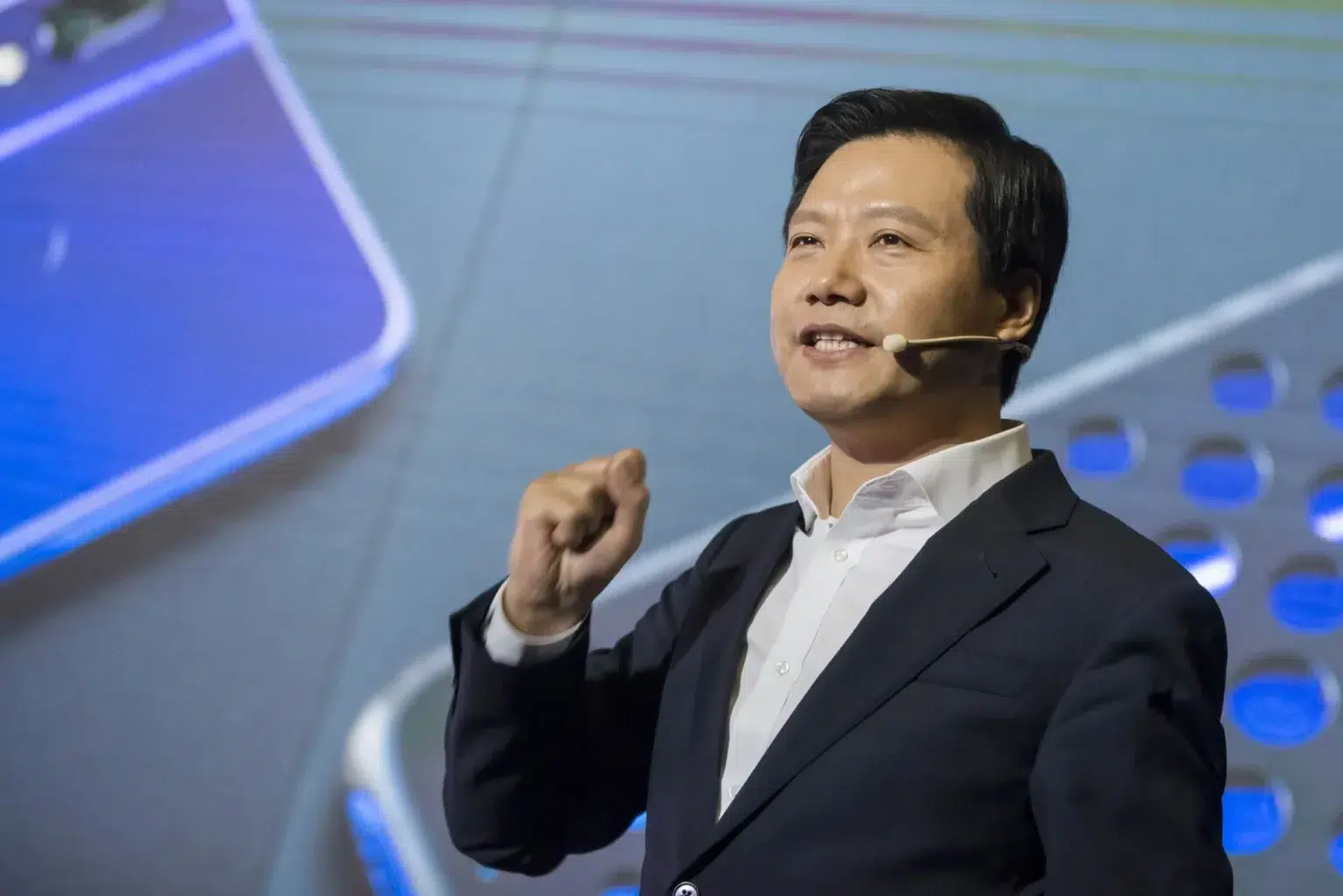

Xiaomi co-founder Lei Jun has strengthened the company in making a safety assertion of its electric cars, alongside marking a significant manufacturing milestone. According to him, Xiaomi produces cars of industry-grade standards and safety as the primary concern of the company. Lei Jun noted a highway battery test milestone and highlighted the firm’s recent scale-up in production. The company has raised its delivery ambition, and it continues to press on with both volume and quality goals.
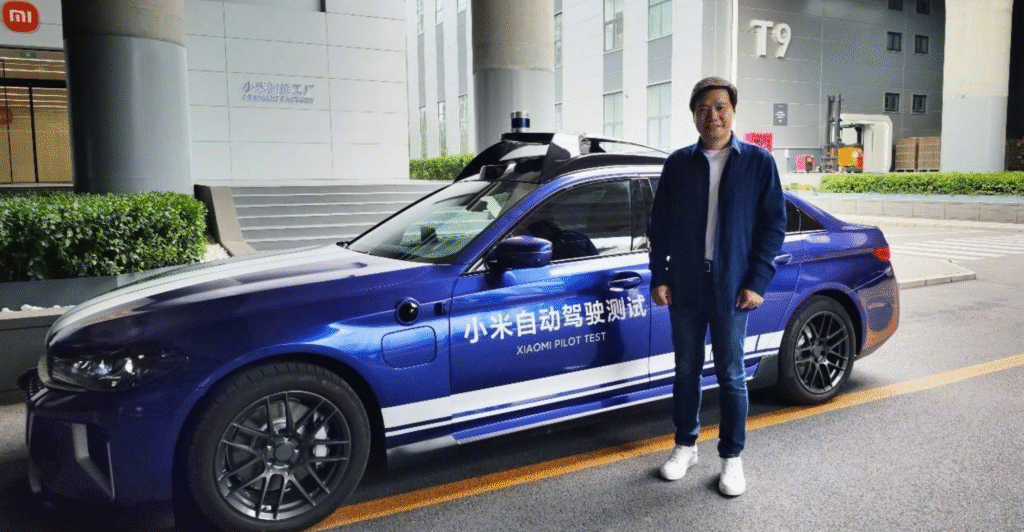
Safety First Stance
Lei Jun set out the core safety approach in clear terms. He said Xiaomi uses a steel and aluminum hybrid body. He said the cars include more than 90 percent high-strength steel and aluminum in key structures. He said torsional rigidity measures reach about 51,000 newton meters per degree. He said the battery architecture follows strict safety design rules. He described four layers of protection that guide Xiaomi’s auto work. He named those four layers as passive safety, active safety, battery safety, and privacy safety. Lei Jun said safety must come before speed in production and before new features.
Production and Sales Update
Lei Jun marked the factory milestone and said full-year delivery targets were raised as production ramped up. Xiaomi has moved quickly from its launch into scaled manufacturing, and the company is aiming to meet growing customer demand. The firm has reported strong quarterly growth in deliveries and has said it will prioritize quality during the scale-up. Lei Jun reiterated that the company will not compromise on checks and testing while increasing output.
A number of incidents involving Xiaomi cars have raised public concern and regulatory attention over recent months. Authorities and the company have studied those crashes, and Lei Jun has said the firm has learned from each case. He said the company will continue to make technical and process improvements and to be transparent with regulators and customers.
Xiaomi faces tough competition in China’s EV market. The company is often compared to global names such as Tesla. Lei Jun said Xiaomi is not chasing any single competitor. He said Xiaomi will follow its own path with a clear focus on safety and reliability as a foundation for future growth and for customer trust.
Public trust is fragile in the auto market, and technical confidence matters. Lei Jun acknowledged that accidents have changed perceptions, and he said the company must respond by strengthening testing, clarifying system limits, and improving driver alerts. He said that better communication about system capabilities will be part of the solution.
The firm continues to promote advanced driver assistance features and battery safety measures. It also highlights manufacturing standards and supplier checks. Lei Jun described a detailed approach to component testing, battery containment, and emergency response design. He said those measures aim to reduce risk across the vehicle life cycle.
The Xiaomi strategy is currently striking a balance between quick volume expansion and increased quality assurance. Lei Jun informed him that the company message is simple to the customers. Safety comes first. Quality must be proven. That will be the basis on which production will be done.
The following months will demonstrate how the promises of the company are reflected in the field results, and how regulators and customers react to the increased testing and the limitation of the system boundaries. The future actions of Xiaomi will have a significant influence on its image and the EV market in China and other places.