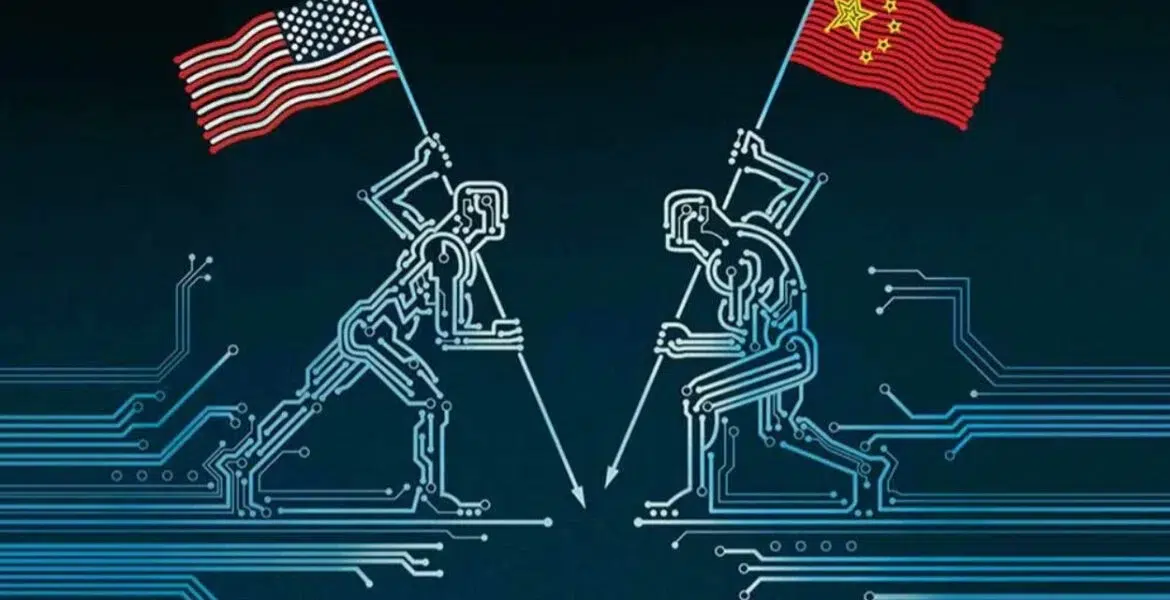

Andy Konwinski, a co founder of Databricks and of the Laude Institute, warned that the United States may be losing its lead in artificial intelligence to China. He called the trend an existential threat to the way democracies operate. Konwinski said top PhD students in the United States now see more interesting ideas coming from Chinese teams than from American labs.
Open Source Advantage
Konwinski urged a shift to more open research and open source work. He argued that breakthroughs spread faster when researchers share code and papers. He pointed to the Transformer paper as an example of a research idea that advanced the field because it was public. Konwinski helps run the Laude Institute, which supplies grants and support to move academic work into the open or into real products.

China has shown a pattern of releasing high quality open code and models. Firms such as DeepSeek have opened repositories for others to use. That move helped DeepSeek and similar teams gain broad adoption inside China and beyond. Alibaba and other large Chinese groups also make powerful models available in ways that others can build on. This open approach can speed innovation across whole ecosystems.
What This Means
If more advances come from open work, then tools and models will be easier and cheaper to use. Small firms and regional teams will gain access to high performance models. That could change where and how AI products get built. It could also raise new risks about data safety and model misuse. Regulators and firms must weigh both the gains and the harms as open models spread.
Konwinski also warned that a split between big labs and public research can slow shared progress. He said some large groups pay top talent large sums and keep many ideas closed. That can reduce the public exchange of ideas that once drove fast academic progress. He believes the United States should rebuild bridges between labs and universities and fund open projects that can scale.
Why the Debate Matters
The debate is not only about prestige. It is about who sets technical standards and who builds widely used tools. If open models from China win broad use, then many businesses will adapt to those models first. This will affect where companies hire talent and where new products appear. It may also affect national security and economic competition. The decisions of the policy now will determine the pace of open model speed and the mode of their control.
Practical Steps for USA Leaders
Konwinski and others call for practical action. They recommend more public funding for labs that make their work public. They suggest funding pipelines that help university research turn into open models and tools. They also advise better support for researchers who want to keep work public. Laude Institute is an example of a group trying to build such a pipeline. Such steps aim to keep the United States competitive while keeping research widely shared.

The conversation is urgent. China has shown it can push open models quickly and at scale. The United States continues to be rich in talents, capital and higher learning institutions. The culture of sharing and policy decisions will determine the nation that will spearhead the next round of AI breakthroughs. It is time that readers and decision makers make their decisions on balancing the open research, commercial incentives and safety.