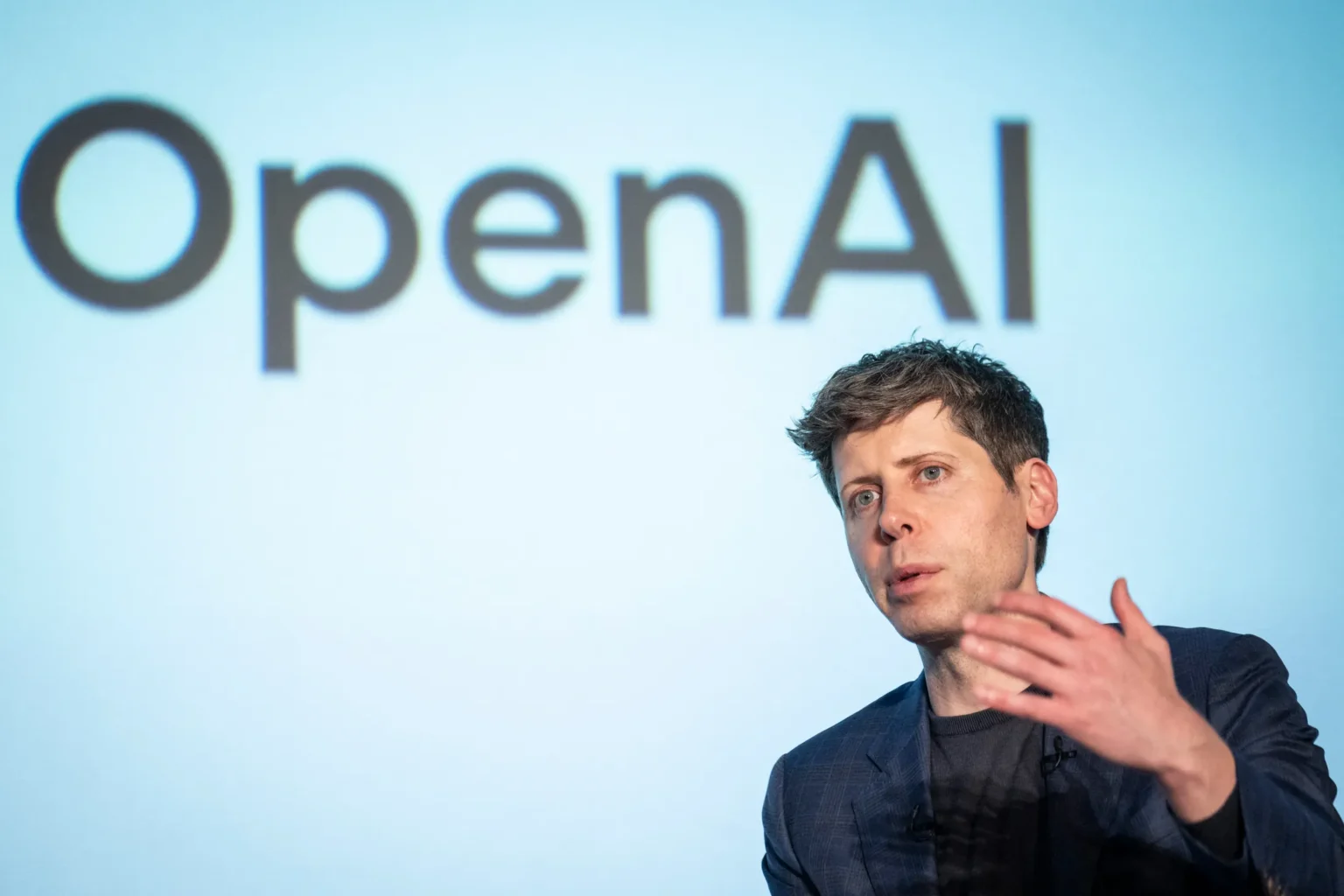

OpenAI reached a new private market milestone this week. The company’s stock held by current and former employees changed hands in a large secondary sale. That trade set a new private valuation of roughly $500B. The sale moved cash to the employees who sold. The company itself did not receive the money.
What changed
Investors and funds bought about $6.6B of existing OpenAI shares. Buyers included several large institutional groups. This was a secondary market sale. The shares came from people who already owned them. The transaction set a new market price for OpenAI. That price now serves as a public marker for the firm’s private value.
The trade is important for employees. Many early staff and recent hires now have a clear path to liquidity. That can ease personal finance choices. It can also help the company keep talent in a tight market. Tech firms often use share sales to reward staff without changing company capital. This sale followed a big funding round earlier in the year and comes as OpenAI expands its product set and cloud commitments.
Why it matters
A $500B private price changes how people view OpenAI. It makes the firm one of the most valuable private companies in the world. Investors who purchased shares now expect progress on revenue and cost control. They will track product adoption and margins closely. The price also increases public and regulatory attention. Questions about governance, competition, and data practices may grow louder.
The sale matters to partners and rivals, too. Cloud providers and hardware suppliers will see this as a sign of continued demand for AI infrastructure. Competing AI firms will note the strong investor appetite. The new valuation may shape future commercial deals and strategic partnerships. It may also affect how OpenAI negotiates with large cloud providers and enterprise customers.
What the sale does not do
This transaction did not inject new capital into OpenAI. The company’s bank balance did not change because of this sale. The money went to employees and early shareholders who chose to sell. That distinction is important. A fresh funding round would give the company more cash to spend. A secondary sale helps with retention and personal liquidity but does not directly expand the firm’s spending power.
How this helps staff and hiring
Liquidity events can calm a key pressure point at high-growth companies. When staff can realize part of their holdings, they often feel more secure. OpenAI has faced intense talent competition. In recent months, some engineers moved to rival labs with large signing bonuses. A secondary sale can help OpenAI retain staff by offering a way to convert some equity into cash without going public.
Money and risks
According to Bloomberg, OpenAI has shown rapid growth in revenue. The firm also spends heavily on cloud services and computing. Large infrastructure plans carry risk. Investors who bought shares in the secondary sale have accepted that risk. They also expect continued product momentum. If growth slows or costs rise faster than revenue, the private valuation may come under pressure in future trades or a public offering.