
OpenAI has released a new version of GPT 5 that is tuned for coding tasks and integrated into Codex. The model is called GPT-5-Codex and it is designed to act like a more capable coding partner inside terminals editors and web tools. Early coverage from OpenAI and reporters shows the update aims to make Codex faster and more reliable for real world software work.
New model details
GPT-5-Codex can adjust how long it spends solving a problem. The model may take a few seconds on small fixes. It can also work for many hours on complex refactors or large feature builds. OpenAI says the model has completed multi hour sessions that iterate on tests and fixes until results pass. This dynamic approach is a major difference from fixed time routing used in other systems.
OpenAI published a short addendum to the GPT-5 system card that explains the Codex tuning. The company says it trained the model with reinforcement learning on real world engineering tasks and evaluation suites that reflect how engineers work. OpenAI also tested code review quality by asking senior engineers to rate comments. The engineers reported fewer incorrect comments and more high impact suggestions from GPT-5-Codex.
Performance and reach
OpenAI reports that GPT-5-Codex improves on prior GPT-5 results in agentic coding benchmarks such as SWE bench Verified and in large scale refactoring tests. The company says the model performs better at delivering correct refactors and at spotting critical issues in code reviews. External reporting highlights the same gains and notes early customer access in multiple Codex products.
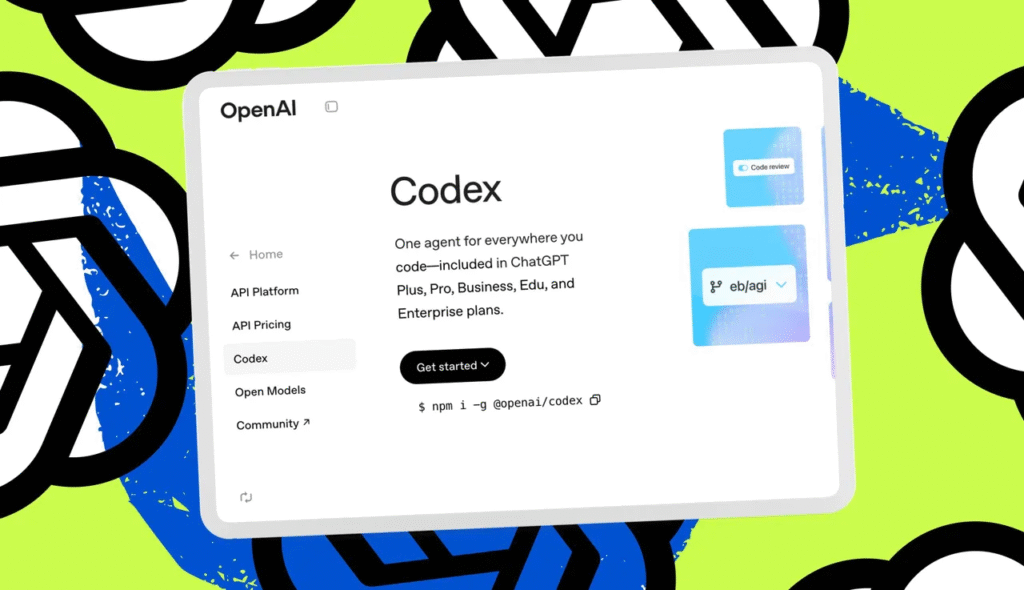
The upgrade will appear first inside Codex products that are available through the terminal IDE integrations GitHub and ChatGPT for paid tiers. OpenAI says ChatGPT Plus Pro Business Edu and Enterprise users now have access and that API access will arrive later. That rollout path mirrors how OpenAI broadened GPT-5 availability earlier this year.
What developers will notice
Developers should see quicker responses for short tasks and deeper work for long tasks. For small edits Codex should return snappy suggestions that require less back and forth. For large refactors the model can spend more compute and time iterating on tests until the changes pass. Engineers who rely on code review features may find fewer false positives and more targeted comments.
OpenAI frames the change as a product level improvement and not only a raw model release. The company says the Codex product harness includes tools for running tests and for monitoring long running agent work. That product harness is what allows the model to keep working on longer tasks while remaining observable and controllable by humans.
How this fits the market
The market of AI coding has become saturated and rapid. Its competitors are Claude Code GitHub Copilot and new startups like Cursor etc. There are other competitors who specialize in fast iteration and editor plugins. Others target long term autonomous agents. The update of the new Codex is an OpenAI struggle to compete in short jobs and the long agentic work. According to early reports, the companies that have developed developer tools have experienced massive revenue growth this year that indicates the need to have improved code assistants.