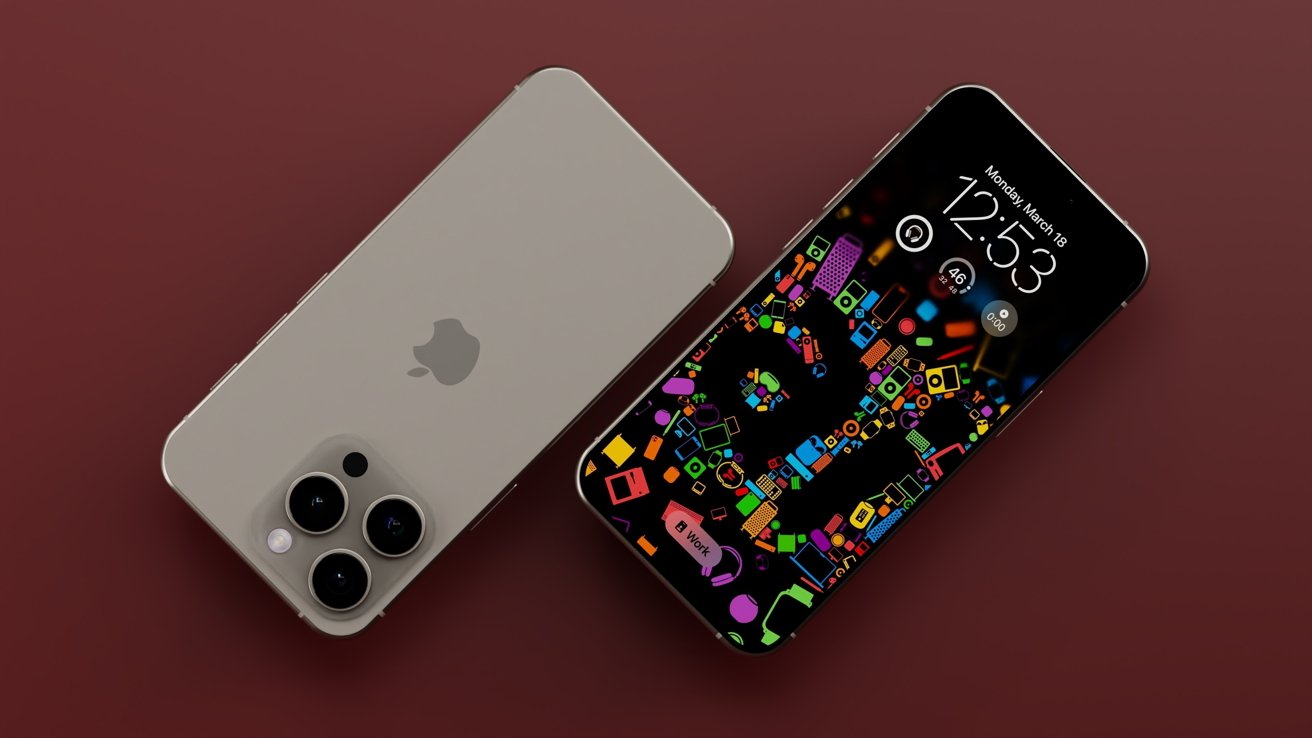

Apple drove much of the modest recovery in the global smartphone market in 2025. IDC now expects global shipments to reach about 1.24 billion units for the year. That is roughly one percent growth versus 2024. IDC says the change from a flat year to slight growth owes a great deal to iPhone strength.
Apple drives the market
IDC reports that iPhone shipments rose about 3.9 percent in 2025. That gain alone turned the market positive. Without Apple the global total likely would have been flat or down. Trade in offers and interest free installment plans helped Apple keep upgrade demand alive. Loyalty among existing iPhone users also kept many buyers from switching platforms.
Regional market shifts
China remained weak. IDC updated its forecast and now expects China to decline by about one percent in 2025. That weakness came after government subsidy programs ended and consumer spending lagged. Regions that did better include the United States where IDC expects roughly 3.6 percent growth and the Middle East and Africa where growth could near 6.5 percent. Asia Pacific outside China is set for small growth. These regional moves offset the China shortfall.
Premium and GenAI
IDC expects average selling prices to rise near five percent in 2025 and the overall market value to grow about six percent. Vendors pushed value by adding premium devices and by adding GenAI features in new phones. IDC forecasts around 370 million GenAI enabled smartphones will ship in 2025. That would be close to 30 percent of total shipments for the year. Apple aims to bring practical AI features into its phones and that may help convert interest into purchases.
Why Apple succeeded in 2025
Apple focused on the premium tier and then made premium devices more accessible through financing and trade in credits. That strategy kept replacement demand steady. Another advantage of Apple is the good ecosystem of services that makes it more expensive to switch away. These factors helped Apple expand share without chasing low end volume.
What rivals face now
Many Android brands chase volume at lower price points. That market is crowded. The low end is sensitive to economic change. Tariff uncertainty and macroeconomic pressure also reduce demand for cheap phones. That leaves fewer places to grow without sacrificing margin. Vendors therefore face a choice. They can chase volume in crowded segments or invest in premium design and AI features. IDC sees a wider move toward premium and AI as vendors seek value growth.
How GenAI changes buying choices
GenAI features can be a real reason to upgrade for some users. Translation tools smarter camera modes and on device assistants matter in product comparisons. Some vendors advertise AI before it is fully ready. Apple tends to wait until features work well. If Apple delivers polished AI experiences, it could speed a broader shift to GenAI phones. That shift could change upgrade timing for people who value productivity and camera innovation.
Risks that could still derail gains
Tariff policy is a major risk. IDC assumes current exemptions remain in place for many smartphones. If those rules change the cost backdrop could worsen fast. Another long term drag is longer upgrade cycles. Many users now keep phones four years or more. Apple has softened the impact but it cannot fully reverse that trend. If consumers delay upgrades further the market could slow again.
Advice for buyers and industry watchers
This watch battery and camera reviews will be available soon after new models are shipped, in case you intend to purchase an iPhone this year. You are making applications or accessories, and project the small unit growth, and the increasing price. To investors monitor the balancing of premium launches and financing offers by the vendors. The operators and retailers should consider trade in incentives and installment plan as a means of maintaining the replacement cycles.